Skip to content

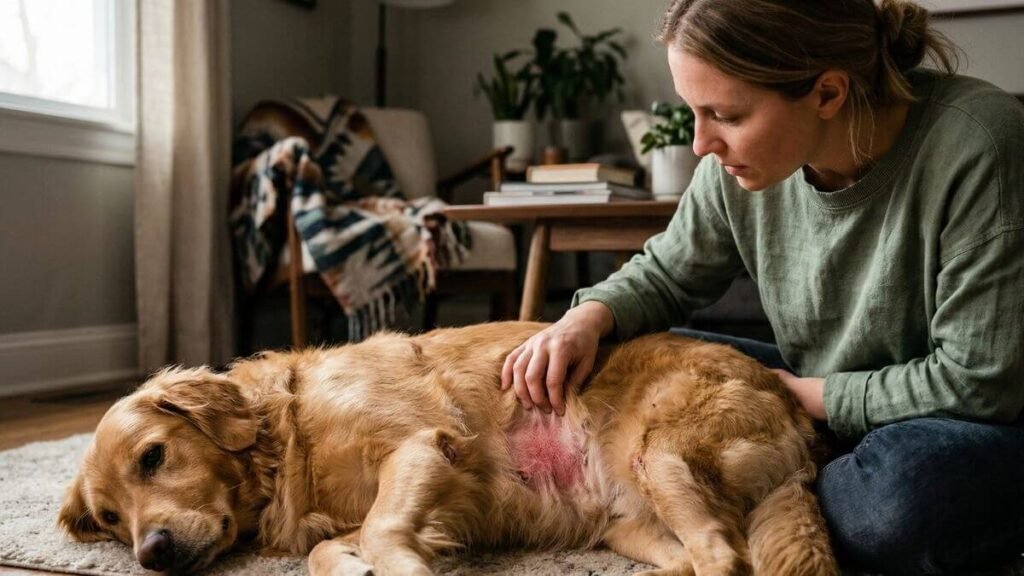
Does your dog smell like corn chips even after a fresh bath? Do they constantly scratch the same greasy spots or chew their paws until the fur turns rusty-brown? If you answered yes, your dog likely has a fungal condition called yeast dermatitis. In this situation, using a regular grooming product often makes the problem worse. Instead, you need a specialized dog shampoo for yeast infection.
Finding the right formula changes everything. The correct medicated shampoo fights the yeast overgrowth Malassezia, soothes the intense itch, and restores the skin’s natural barrier. However, picking the wrong one can dry out the skin and worsen irritation.
In this guide, I will explain precisely how antifungal dog shampoo works and which ingredients you must look for. Furthermore, I have curated a list of the 7 best dog shampoos for yeast infection in 2026 based on ingredient efficacy and safety standards. Finally, I will teach you the 10-Minute Rule that ensures the treatment actually works.
What Is a Yeast Infection in Dogs?
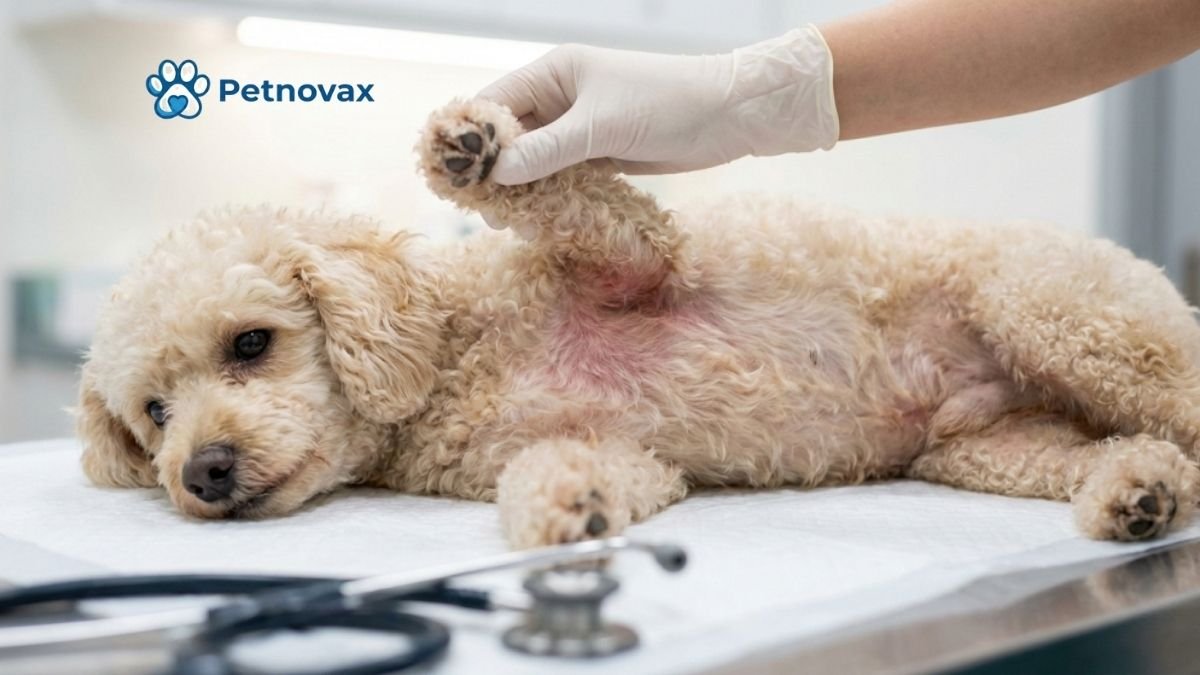
Before you treat the problem, you must understand what happens on your dog’s skin. Essentially, all dogs have a natural amount of yeast, a fungus called Malassezia pachydermatis, on their bodies. However, the yeast multiplies uncontrollably when the skin’s immune system weakens, or moisture becomes trapped. Unfortunately, yeast overgrowth often mimics other dog skin conditions, making it tricky to diagnose without a close look.
Common Signs of Yeast Dermatitis

- The Smell: A distinct musty, cheesy, or corn chip odor that doesn’t go away.
- Intense Itching: Your dog constantly scratches, licks, or rubs their face and body.
- Greasy or Scaly Skin: The coat feels oily, or you see yellow/gray crusty flakes.
- Red, Darkened Skin: Chronic infections often cause the skin to become thick and black, like elephant skin.
- Location: Yeast loves warm, dark places like ears, armpits, groin, and between paw toes.
What Makes Yeast Infections Come Back?
Yeast thrives in humidity. Therefore, dogs with floppy ears or skin folds, like Bulldogs, are more susceptible to yeast infections. Additionally, underlying food or pollen allergies weaken the skin barrier, creating a perfect environment for yeast to grow. Consequently, treating the yeast with a dog shampoo for yeast infection acts as the first line of defense.
Why You Need an Antifungal Dog Shampoo
Many well-meaning owners try to wash away the smell using standard pet store shampoos. Unfortunately, this often feeds the fire. Because yeast thrives in an acidic environment, many human shampoos or low-quality products disrupt the neutral pH (7.0-7.5) of a dog’s skin.
How a Medicated Shampoo Works
A specialized medicated dog shampoo does more than clean dirt. It contains active pharmaceutical ingredients that lower the yeast count on the skin to a manageable level. Simultaneously, it degreases the coat, removing the waxy food source on which yeast relies. Furthermore, many of these shampoos also treat bacterial skin infections, which frequently occur alongside yeast issues.
Why Regular Shampoos Fail
Standard shampoos often contain harsh sulfates or strong fragrances to mask odors. Unfortunately, they do not kill the fungus. Some contain sugars or carbohydrates (such as low-quality oatmeal fillers) that, in theory, can feed the yeast. Therefore, you must switch to a medicated formula designed specifically for yeast dermatitis.
By altering the acid mantle, these products create a playground for fungus to spread. Read exactly why human products are dangerous here: Can I Use Human Shampoo on My Dog?
Key Ingredients in an Effective Dog Shampoo for Yeast Infection
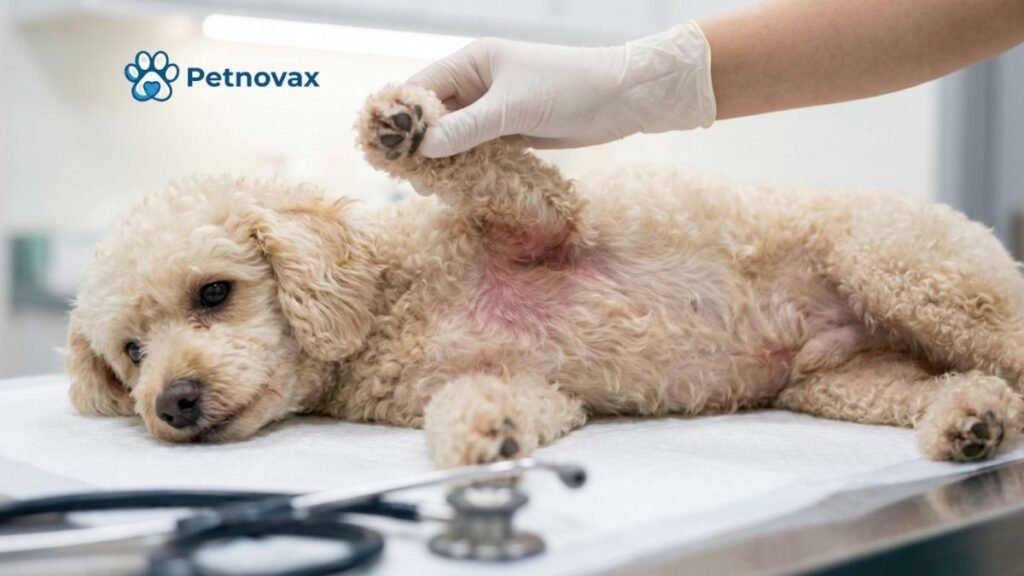
When you shop for dog shampoo for yeast infections, ignore the front-label marketing. Instead, flip the bottle over and look for these proven fighters.
1. Antifungal Active Ingredients (The Fighters)
These ingredients directly target yeast overgrowth. Research shows they appear in the most effective formulas:
- Chlorhexidine Gluconate: the gold standard. It kills both bacteria and fungus effectively. Research indicates that a concentration of 2% to 4% is most effective against bacterial skin infections and yeast.
- Ketoconazole / Miconazole: These are powerful antifungal agents that stop yeast from reproducing.
- Selenium Sulfide: Often used for seborrhea, it degreases the skin and fights yeast (use only if directed by a vet).
2. Soothing Additives (The Healers)
- Aloe Vera: Cools down red, angry skin instantly.
- Vitamin E: Helps repair the damaged skin barrier.
- Dead Sea Minerals: Some premium formulas use Dead Sea minerals to naturally exfoliate and detoxify the skin.
- Ceramides: Rebuilds the moisture seal in the skin to prevent future breakouts.
3. Ingredients to Avoid
- Artificial Fragrance: Irritates inflamed skin.
- High-Carb Fillers: While colloidal oatmeal is excellent for allergies, some experts suggest avoiding heavy oat formulas for severe yeast infections to prevent feeding the fungus.
Not everything that looks ‘natural’ is safe. Before buying, make sure the bottle doesn’t contain any of these hidden toxins: 15 Ingredients to Avoid in Dog Shampoo.
Best Dog Shampoo for Yeast Infection: 7 Medicated Picks for 2026
After analyzing ingredient efficacy, veterinary formulations, and real-world results, we curated this definitive list. Each product below is a powerful medicated dog shampoo, specifically formulated to kill fungus and soothe itching.
1. Veterinary Formula Clinical Care Antiseptic & Antifungal: Best Overall
Why It Is Our Pick: If you need the best antifungal dog shampoo without a prescription price tag, this is the winner. It uses a synergistic blend of benzethonium chloride (antibacterial) and ketoconazole (antifungal) to rapidly attack the infection. Specifically, the veterinary formula antiseptic & antifungal shampoo neutralizes odors and effectively kills Malassezia yeast. Plus, it contains aloe vera to soothe raw, itchy skin.
- Active Ingredients: Benzethonium Chloride, Ketoconazole.
- Best For: Smelly, greasy, red skin patches.
Pros:
- The dual-action formula is highly effective.
- The formula is both paraben-free and dye-free.
- Extremely affordable.
Cons:
- You must use it 2–3 times a week initially.
2. Douxo S3 PYO Shampoo: Best Professional Strength
Why It’s the Vet’s Favorite: If you ask a veterinary dermatologist for a recommendation, they often suggest Douxo S3; the secret lies in Ophytrium. This natural ingredient strengthens the skin’s physical barrier. Combined with 3% chlorhexidine, it kills yeast while actively healing the skin. Unlike harsh chemicals, this dog shampoo for yeast infection hydrates the coat, leaving it soft rather than stripped.
- Active Ingredients: Chlorhexidine 3%, Ophytrium.
- Best For: Chronic infections and damaged skin barriers.
Pros:
- Clinically proven to repair the skin.
- The product is both non-drying and soap-free.
- Recommended by experts worldwide.
Cons:
- It costs significantly more than budget brands.
3. Curaseb Antifungal & Antibacterial Shampoo: Best Fast-Acting
Why It Works So Fast: When your dog scratches raw, you need speed. Curaseb delivers a veterinary-strength punch, making it the best medicated dog shampoo for stubborn cases. This broad-spectrum formula quickly obliterates yeast, ringworm, and bacteria. As a potent antibacterial shampoo for dogs, it penetrates deep into the pores to flush out the fungus hiding beneath the surface.
- Active Ingredients: Chlorhexidine 4%, Ketoconazole 1%.
- Best For: Stubborn yeast and mixed bacterial infections.
Pros:
- The product boasts a maximum-strength nonprescription formula.
- The product instantly deodorizes dogs with a cucumber melon scent.
- Made in the USA.
Cons:
- It can be slightly drying; rinse well.
4. KetoHex Antiseptic Shampoo: Best Medicated Dog Shampoo for Skin Allergies
Why It Is Unique: Many medicated shampoos can dry out the skin, worsening allergies. However, KetoHex solves this by adding colloidal oatmeal to the antifungal mix. This combination makes it the best medicated dog shampoo for skin allergies because it kills the yeast while soothing the allergic reaction. If your dog needs a medicated dog shampoo that doesn’t sting, the product is a top choice.
- Active Ingredients: Chlorhexidine 2%, Ketoconazole 1%, Oatmeal.
- Best For: Dogs with yeast infections driven by allergies.
Pros:
- A balanced formula prevents dryness.
- The product has a pleasant scent, which is unusual for a medicated product.
- Leaves the coat soft and shiny.
Cons:
- Contains fragrance, which might bother some pets.
5. Zymox Enzymatic Shampoo: Best Natural Alternative
Why It Works Well: If your dog cannot tolerate harsh chemicals, Zymox offers a gentle alternative. It uses a patented LP3 Enzyme System to naturally destroy bacteria and yeast. Because it contains no antibiotics, it is a safe dog shampoo for yeast infections in puppies or dogs with broken, sensitive skin. It functions effectively as a moisturizing dog shampoo that heals while it cleans.
- Active Ingredients: LP3 Enzymes, Vitamin D3.
- Best For: Sensitive skin and puppies.
Pros:
- No harsh detergents or antibiotics.
- It is safe to lick.
- Soothes itchy, raw skin naturally.
Cons:
- Takes longer to see results than chemical cleaners.
6. 4-Legger Organic Dog Shampoo: Best Organic Prevention
Why It Targets Prevention: Sometimes, you need a break from heavy medication. This coconut oil shampoo is a fantastic preventive wash between medicated treatments. Because it is USDA Certified Organic, it cleanses without disrupting the skin’s biome. While not a strongly medicated dog shampoo, the natural lauric acid in coconut oil helps keep yeast levels down naturally.
- Active Ingredients: Saponified Organic Coconut, Olive, and Jojoba Oils.
- Best For: Maintenance and preventing recurrence.
Pros:
- 100% Natural and Safe.
- The product rinses out instantly.
- It is an excellent choice for maintaining sensitive skin.
Cons:
- It will not cure a severe, active infection on its own.
7. Pet MD Chlorhexidine Shampoo: Best for Maintenance
Why It Is Good: Once the severe infection clears, you need a reliable maintenance wash. The Pet MD medicated shampoo uses a lower concentration of chlorhexidine (2%) combined with aloe. This specific formulation keeps yeast populations under control without being too aggressive for weekly use. It serves as an ideal medicated dog shampoo for skin allergies that require long-term management.
- Active Ingredients: Chlorhexidine 2%, Aloe Vera.
- Best For: Preventing recurrence and dry, itchy skin.
Pros:
- Gentle cleanser made in the USA.
- It effectively prevents paw licking and face rubbing.
- Affordable maintenance option.
Cons:
- This formula is less potent than 4% formulas, which are designed for acute outbreaks.
How to Give a Medicated Bath (The 10-Minute Rule)
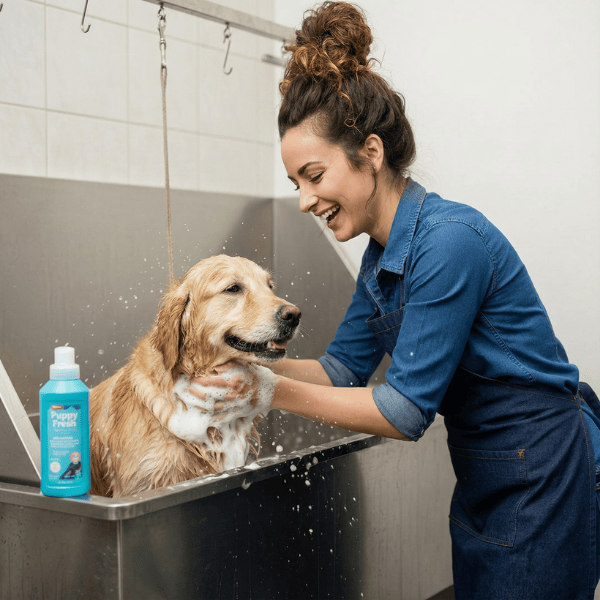
Buying the best dog shampoo for yeast infection acts as only half the battle. How you apply it determines whether the treatment succeeds or fails. Unfortunately, many owners rinse the product off too quickly, which stops the medication from working. To ensure success, follow this veterinary-approved medicated bath protocol for maximum results.
Step 1: Use Lukewarm Water
Always use tepid water. Hot water can inflame yeast-infected skin and increase itching. Conversely, cold water shocks the skin, preventing the pores from opening slightly to accept the medication. Therefore, test the temperature on your wrist first to ensure it feels neutral.
Step 2: The 10-Minute Rule Crucial
This is the most crucial step. Medicated ingredients need time to penetrate the hair follicle and kill the fungus.
- Apply the shampoo and lather well into the affected areas (paws, armpits, and groin).
- Wait for 10 whole minutes. (Use a timer!).
- Distract your dog with treats or a lick mat during the wait.
- If you rinse too early, you wash the medicine away before it kills the yeast.
Step 3: Rinse and Dry Thoroughly
Yeast loves moisture. Therefore, rinse until the water runs completely clear. Soap residue causes further itching. Afterward, towel-dry your dog completely. If your dog tolerates it, use a blow dryer on the “Cool” setting to ensure no dampness remains in the deep skin folds or between the toes.
Yeast loves moisture, so leaving the coat damp is a huge mistake. For tips on drying sensitive skin safely, refer to our step-by-step tutorial: How to Bathe a Dog with Itchy Skin.
How Often Should I Bathe a Dog With Yeast Infection?
- Severe Infection: Bathe 2–3 times per week until symptoms improve (usually 2–4 weeks).
- Moderate Infection: Bathe 2 times per week.
- Maintenance: Once the skin looks healthy, switch to once a week or every 10 days.
- Always follow your vet’s advice. Over-bathing can dry the skin, so monitor your dog closely.
Long-Term Care: Preventing the Corn Chip Smell
To stop yeast from returning, you must manage the environment and diet. Using a dog shampoo for yeast infections treats the symptoms, but it does not address the underlying cause.
- Keep Skin Dry: Dry your dog’s paws and ears immediately after they get wet or go swimming.
- Clean Skin Folds: If you have a wrinkled breed (Pug, Bulldog), wipe their folds daily with medicated wipes.
- Check the Diet: Yeast feeds on sugar. Consider reducing carbohydrates in your dog’s diet. Consult your vet about switching to a low-starch food to starve the yeast from the inside.
- Apple Cider Vinegar Rinse: Occasionally, you can use a 50/50 mix of apple cider vinegar and water as a final rinse. Acidity creates an environment where yeast cannot survive.
Frequently Asked Questions (FAQ)
Can I use human shampoo or baby shampoo for yeast infection?
No, never. Human shampoo has the wrong pH and disrupts the dog’s skin barrier. Using it makes yeast infections worse by stripping protective oils. Always use a specific dog shampoo for yeast infection.
Will medicated shampoo wash off flea protection?
Generally, no. Most medicated shampoos do not affect topical flea treatments if you follow the instructions. However, veterinarians usually recommend waiting 48 hours after applying the flea treatment before giving the bath. Always check the label of your flea prevention product to be certain.
Can a dog shampoo for yeast infection cure the infection completely?
It depends. In mild cases, the answer is indeed yes. However, for severe cases, it manages symptoms and reduces yeast counts but may not cure the underlying allergy or hormonal imbalance. Always see a vet for a complete diagnosis.
Is oatmeal shampoo good for dogs with yeast infection?
Yes and no. Oatmeal soothes itching, but some experts believe its carbohydrates may feed yeast in severe cases. Ideally, use a medicated antifungal dog shampoo for the yeast infection first, then use oatmeal shampoo for maintenance once the infection clears.
How long does it take for yeast infection shampoo to work?
With proper 10-minute contact time, you should see improvement in smell and redness within 1–2 weeks. Severe cases often take longer to resolve completely.
Conclusion
Dealing with a yeasty, itchy dog is frustrating, but the right dog shampoo for yeast infection can bring relief fast. By choosing a formula containing chlorhexidine or ketoconazole and strictly adhering to the 10-minute rule, you can kill the fungus and restore your dog’s healthy skin.
Remember, yeast infections often signal an underlying issue, such as allergies. Therefore, while these shampoos treat the symptoms effectively, working with your vet to find the root cause ensures your pup stays itch-free forever.
Want to make sure you are bathing your dog correctly? Check our complete bathing guide here: How to Bathe a Dog with Itchy Skin: Gentle Step-by-Step Guide.