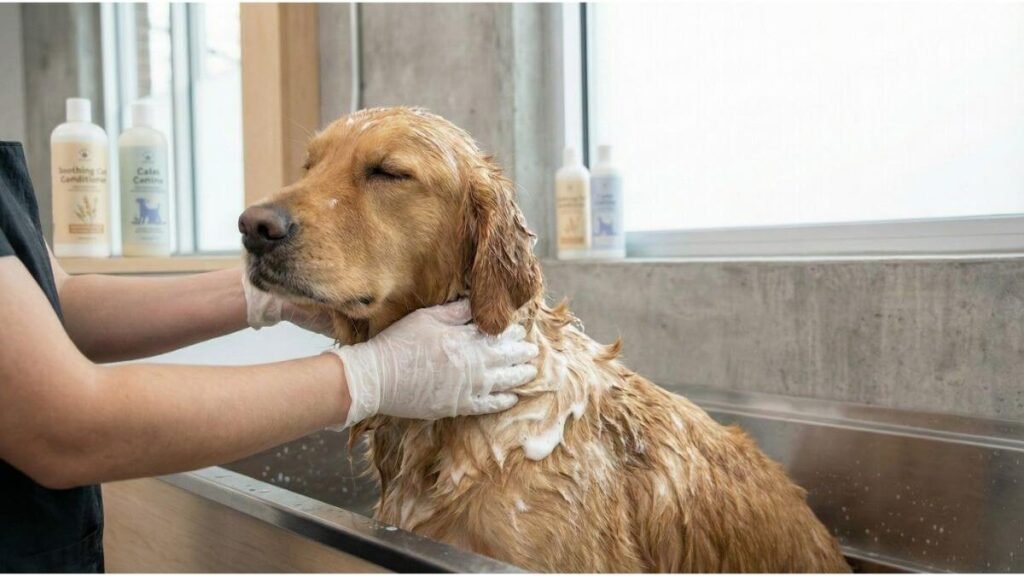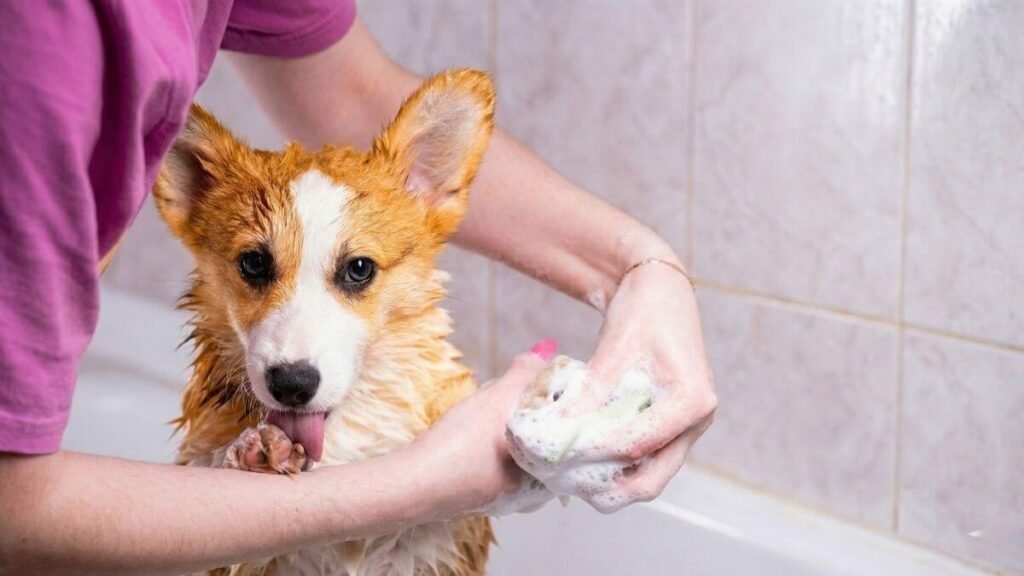

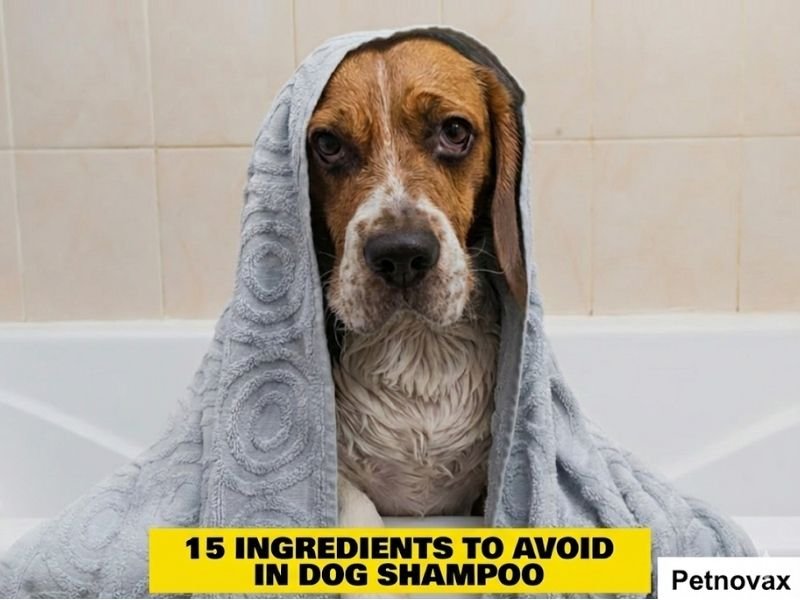
Every dog owner is familiar with the experience: having just bathed their dog to ensure cleanliness and comfort, only to find that, an hour later, the dog scratches more than prior to the bath. Consequently, you feel frustrated and confused. As a dog owner myself, I have faced this exact struggle. Therefore, I understand how desperate you feel to find a solution.
In 2026, we possess more awareness than ever regarding our own skincare products. However, the pet industry still fills shelves with “gentle” bottles that contain hidden irritants. Often, cheap fillers, artificial fragrances, and harsh detergents act as the real culprits behind your dog’s itchy skin. If you want to protect your pup, you must learn which ingredients to avoid in dog shampoo.
At PetNovax, we believe in radical transparency. With input from our research editor Emily Nova and veterinary medical reviewer Natalie Barnett, we compiled this definitive guide. Specifically, we identify the 15 toxic chemicals you must ban from your bathroom to ensure your dog stays safe.
Table of Contents
Why Some Shampoo Ingredients Harm a Dog’s Skin
Before we list the specific ingredients to avoid in dog shampoo, you must understand why dog skin reacts so poorly to chemicals that humans might tolerate. Essentially, dogs possess a unique biological makeup that requires specific care.
pH Differences Between Human and Dog Skin
🔬 Natalie’s Medical Insight: Many owners believe dog skin is ‘tough.’ In reality, it differs chemically from ours. Human skin is acidic (pH ~5.5), which creates a barrier against bacteria. Dog skin, however, is much more neutral (pH ~7.0 to 7.5).
When you use products designed for acidic human skin or harsh alkaline detergents on a dog, you destroy their acid mantle. This destruction leaves the skin vulnerable to bacteria, yeast, and severe irritation. Therefore, understanding pH balance helps you identify ingredients to avoid in dog shampoo.
Thin Skin Barrier in Sensitive Dogs
A dog’s skin is actually thinner than human skin. While we possess 10–15 layers of skin cells, dogs only possess 3–5 layers. Consequently, toxic ingredients in dog shampoo penetrate deeper and faster. This means chemicals enter their bloodstream and cause reactions much quicker than they would in humans.
Why Harsh Chemicals Cause Redness, Dryness, and Itching
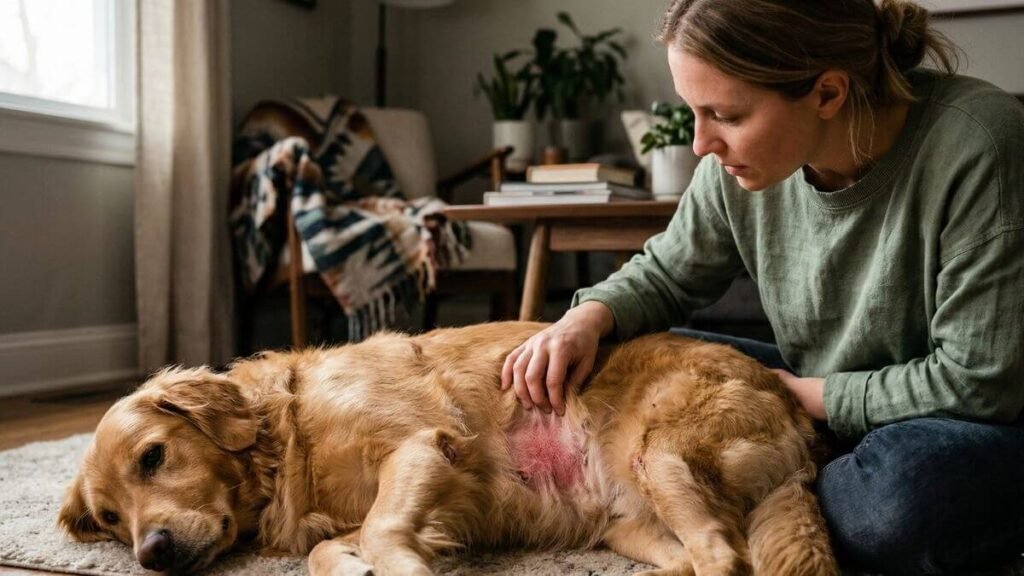
When harsh ingredients strip the protective barrier, the skin dries out rapidly. To compensate, the body produces excess oil or becomes inflamed, which leads to the scratch cycle. Often, the redness you see indicates a chemical burn or an allergic reaction. This makes knowing which ingredients to stay away from in dog shampoo medically necessary rather than merely a matter of taste.
The Toxic 15 Ingredients to Avoid in Dog Shampoo
Based on our rigorous testing and ingredient analysis, we have categorized the top 15 offenders. Specifically, we grouped them by their function so you can spot them easily on any label.
The Harsh Cleansers (That Strip Natural Oils)
These chemicals create the thick foam that we associate with cleaning. However, they often act too aggressively for sensitive dog skin.
1. Sulfates (SLS & SLES)
Sodium Lauryl Sulfate (SLS) and Sodium Laureth Sulfate (SLES) act as cheap detergents. Primarily, manufacturers use them to create bubbles. However, they strip your dog’s skin of its natural oils (sebum). Consequently, your dog suffers from dry, flaky, and itchy skin immediately after the bath. Furthermore, sulfates can damage hair follicles, leading to a dull coat. Therefore, sulfates rank high on the list of ingredients to avoid in dog shampoo.
- On the Label: Sodium Lauryl Sulfate, Sodium Laureth Sulfate, Ammonium Lauryl Sulfate.
2. Cocamide MEA & DEA
Manufacturers often market these foam boosters as “natural” because they start from coconut oil. However, companies modify them heavily with chemicals. Crucially, the processing of Cocamide MEA and DEA often creates contamination with nitrosamines. Research links nitrosamines to cancer and hormone disruption. Thus, despite the coconut claim, these remain dangerous ingredients to avoid in dog shampoo.
On the Label: Cocamide MEA, Cocamide DEA, Ethanolamine.
3. Ammonium Lauryl Sulfate (ALS)
This surfactant functions similarly to SLS, but it is slightly less common. Nevertheless, it remains a harsh detergent that causes significant dog skin irritation from shampoo. Because it cleans so aggressively, it disrupts the skin’s moisture barrier. If you see this ingredient on a label, put the bottle back. Ultimately, it qualifies as bad dog shampoo.
- On the Label: Ammonium Lauryl Sulfate.
The Hidden Preservatives (That Disrupt Hormones)
Shampoos need preservatives to prevent mold. But instead of using safe alternatives, many businesses use toxic, low-cost options.
4. Parabens (The Hormone Disruptor)
Parabens extend product shelf life. However, they mimic the effects of estrogen in the body. Consequently, they link to hormonal disruptions and reproductive issues in animals. Because dogs are smaller than humans, even small amounts of toxic dog shampoo containing parabens can cause harm over time. Therefore, parabens act as critical ingredients to avoid in dog shampoo.
On the Label: Methylparaben, Propylparaben, Butylparaben, Ethylparaben.
5. Formaldehyde Releasers
You will rarely see the word “formaldehyde” on a label. Instead, companies use chemicals that slowly release formaldehyde gas into the shampoo. Since formaldehyde is a known carcinogen, it causes skin burns and cancer risks. Furthermore, it triggers severe dog shampoo allergies. Thus, these releasers represent hidden ingredients to avoid in dog shampoo.
On the Label: DMDM Hydantoin, Quaternium-15, Imidazolidinyl Urea, Diazolidinyl Urea.
6. Methylisothiazolinone (MIT) & Methylchloroisothiazolinone (CMIT)
These preservatives are commonly used in “natural” or “green” shampoos. However, they act as potent allergens. In fact, they link directly to severe contact dermatitis and chemical burns. Check for a MIT if your dog starts itching right after a bath. Because of its high reaction rate, MIT sits firmly on our list of ingredients to avoid in dog shampoo.
On the Label: Methylisothiazolinone, Methylchloroisothiazolinone.
7. Sodium Benzoate
On its own, sodium benzoate is generally safe. However, when a formula combines it with citric acid or vitamin C (ascorbic acid), a chemical reaction occurs. This reaction creates benzene, a known carcinogen associated with leukemia. Since many shampoos contain vitamin C for coat health, this combination becomes risky. Therefore, we classify it as an ingredient to avoid in dog shampoo when vitamin C is present.
On the Label: Sodium Benzoate.
The Fake Fragrances & Colors (Beauty Over Safety)
These ingredients add zero cleaning value. Instead, they exist solely to appeal to human senses.
8. Artificial Fragrances
The single word “Fragrance” on a label acts as a legal loophole. Because of trade secret laws, this one word can hide over 3,000 undisclosed chemicals. For dogs with sensitive noses, synthetic scents cause respiratory irritation and allergic flare-ups. Consequently, fragrance-free dog shampoo is always the safer choice. Always count artificial fragrance among the top ingredients to avoid in dog shampoo.
On the Label: Fragrance, Parfum, Scent.
9. Phthalates
Manufacturers use phthalates to help synthetic fragrances last longer. However, phthalates act as known endocrine disruptors. Research shows they damage the liver, kidneys, and reproductive systems over long-term exposure. Because they hide inside the “Fragrance” ingredient, they are difficult to spot. Therefore, choosing brands that explicitly state “Phthalate-Free” helps you avoid these ingredients in dog shampoo.
On the Label: DBP, DEP, DEHP, or hidden under “Fragrance.”
10. Artificial Colors (Dyes)
Your dog does not care if their shampoo is pink, blue, or neon green. Unfortunately, companies add synthetic petroleum-derived dyes to make the product look more appealing to you. However, researchers link dyes like Yellow 5 and Red 40 to hyperactivity and potential cancer risks. Since they offer no benefit and pose a high risk, they are definitely ingredients to avoid in dog shampoo.
On the Label: Yellow 5, Red 40, Blue 1, Tartrazine.
The Cheap Fillers (That Clog Pores)
These ingredients make the shampoo feel thick and luxurious, but they suffocate the skin.
11. Mineral Oil
A byproduct of petroleum, mineral oil coats the skin like plastic wrap. While it sounds moisturizing, it actually clogs pores. Consequently, it prevents the skin from breathing and traps toxins inside. As a result, it disrupts the natural balance of the skin barrier. Therefore, mineral oil remains one of the key ingredients to avoid in dog shampoo.
On the Label: Mineral Oil, Paraffinum Liquidum.
12. Polyethylene Glycol (PEG)
Manufacturers use PEGs as thickeners and moisture carriers. However, they strip the skin’s natural moisture factor. Furthermore, they enhance the absorption of other toxins into the bloodstream. Worse yet, production processes frequently contaminate PEGs with 1,4-dioxane, a carcinogen. Thus, we include PEGs in our list of ingredients to avoid in dog shampoo.
On the Label: PEG-40, PEG-80, Polyethylene Glycol.
13. Propylene Glycol
Often used in antifreeze, this chemical helps the skin absorb moisture but is a known skin irritant. Specifically, it alters the skin’s structure to allow chemicals to penetrate more deeply. Additionally, if dogs ingest this chemical (for example, by licking their fur after a bath), it can cause toxic reactions. Therefore, treat it as a harmful ingredient in dog shampoo.
On the Label: Propylene Glycol.
The Drying Agents (That Destroy the Barrier)
These chemicals kill bacteria but also kill healthy skin cells.
14. Isopropyl Alcohol (SD-40)
Alcohol acts as an extreme drying agent. While it cuts through grease, it breaks down the skin’s protective lipid barrier. Consequently, this feature makes it easier for bacteria and viruses to penetrate the skin. For dogs with already dry or itchy skin, this ingredient causes stinging pain. Therefore, alcohol is one of the primary ingredients to avoid in dog shampoo.
On the Label: Isopropyl Alcohol, SD Alcohol 40.
15. Triclosan
Found in antibacterial shampoos, triclosan is an endocrine disruptor. Research indicates it interferes with thyroid hormones and contributes to antibiotic-resistant bacteria. Unless a veterinarian prescribes it for a specific infection, it is unnecessary and harmful. Thus, add Triclosan to your list of ingredients to avoid in dog shampoo.
On the Label: Triclosan.
Bonus: Cocamidopropyl Betaine (The False Friend)
Often marketed as a “gentle, coconut-based” cleanser, this ingredient is actually a synthetic surfactant. During processing, impurities frequently contaminate it. As a result, it becomes a top trigger for dog skin irritation from shampoo. While safer than sulfates, sensitive dogs often react poorly to it. Therefore, monitor this ingredient closely.
These chemicals create the thick foam that we associate with cleaning. However, they often act too aggressively for sensitive dog skin.
1. Sulfates (SLS & SLES)
Sodium Lauryl Sulfate (SLS) and Sodium Laureth Sulfate (SLES) act as cheap detergents. Primarily, manufacturers use them to create bubbles. However, they strip your dog’s skin of its natural oils (sebum). Consequently, your dog suffers from dry, flaky, and itchy skin immediately after the bath. Furthermore, sulfates can damage hair follicles, leading to a dull coat. Therefore, sulfates rank high on the list of ingredients to avoid in dog shampoo.
- On the Label: Sodium Lauryl Sulfate, Sodium Laureth Sulfate, Ammonium Lauryl Sulfate.
2. Cocamide MEA & DEA
Manufacturers often market these foam boosters as “natural” because they start from coconut oil. However, companies modify them heavily with chemicals. Crucially, the processing of Cocamide MEA and DEA often creates contamination with nitrosamines. Research links nitrosamines to cancer and hormone disruption. Thus, despite the coconut claim, these remain dangerous ingredients to avoid in dog shampoo.
On the Label: Cocamide MEA, Cocamide DEA, Ethanolamine.
3. Ammonium Lauryl Sulfate (ALS)
This surfactant functions similarly to SLS, but it is slightly less common. Nevertheless, it remains a harsh detergent that causes significant dog skin irritation from shampoo. Because it cleans so aggressively, it disrupts the skin’s moisture barrier. If you see this ingredient on a label, put the bottle back. Ultimately, it qualifies as bad dog shampoo.
- On the Label: Ammonium Lauryl Sulfate.
The Hidden Preservatives (That Disrupt Hormones)
Shampoos need preservatives to prevent mold. But instead of using safe alternatives, many businesses use toxic, low-cost options.
4. Parabens (The Hormone Disruptor)
Parabens extend product shelf life. However, they mimic the effects of estrogen in the body. Consequently, they link to hormonal disruptions and reproductive issues in animals. Because dogs are smaller than humans, even small amounts of toxic dog shampoo containing parabens can cause harm over time. Therefore, parabens act as critical ingredients to avoid in dog shampoo.
On the Label: Methylparaben, Propylparaben, Butylparaben, Ethylparaben.
5. Formaldehyde Releasers
You will rarely see the word “formaldehyde” on a label. Instead, companies use chemicals that slowly release formaldehyde gas into the shampoo. Since formaldehyde is a known carcinogen, it causes skin burns and cancer risks. Furthermore, it triggers severe dog shampoo allergies. Thus, these releasers represent hidden ingredients to avoid in dog shampoo.
On the Label: DMDM Hydantoin, Quaternium-15, Imidazolidinyl Urea, Diazolidinyl Urea.
6. Methylisothiazolinone (MIT) & Methylchloroisothiazolinone (CMIT)
These preservatives are commonly used in “natural” or “green” shampoos. However, they act as potent allergens. In fact, they link directly to severe contact dermatitis and chemical burns. Check for a MIT if your dog starts itching right after a bath. Because of its high reaction rate, MIT sits firmly on our list of ingredients to avoid in dog shampoo.
On the Label: Methylisothiazolinone, Methylchloroisothiazolinone.
7. Sodium Benzoate
On its own, sodium benzoate is generally safe. However, when a formula combines it with citric acid or vitamin C (ascorbic acid), a chemical reaction occurs. This reaction creates benzene, a known carcinogen associated with leukemia. Since many shampoos contain vitamin C for coat health, this combination becomes risky. Therefore, we classify it as an ingredient to avoid in dog shampoo when vitamin C is present.
On the Label: Sodium Benzoate.
The Fake Fragrances & Colors (Beauty Over Safety)
These ingredients add zero cleaning value. Instead, they exist solely to appeal to human senses.
8. Artificial Fragrances
The single word “Fragrance” on a label acts as a legal loophole. Because of trade secret laws, this one word can hide over 3,000 undisclosed chemicals. For dogs with sensitive noses, synthetic scents cause respiratory irritation and allergic flare-ups. Consequently, fragrance-free dog shampoo is always the safer choice. Always count artificial fragrance among the top ingredients to avoid in dog shampoo.
On the Label: Fragrance, Parfum, Scent.
9. Phthalates
Manufacturers use phthalates to help synthetic fragrances last longer. However, phthalates act as known endocrine disruptors. Research shows they damage the liver, kidneys, and reproductive systems over long-term exposure. Because they hide inside the “Fragrance” ingredient, they are difficult to spot. Therefore, choosing brands that explicitly state “Phthalate-Free” helps you avoid these ingredients in dog shampoo.
On the Label: DBP, DEP, DEHP, or hidden under “Fragrance.”
10. Artificial Colors (Dyes)
Your dog does not care if their shampoo is pink, blue, or neon green. Unfortunately, companies add synthetic petroleum-derived dyes to make the product look more appealing to you. However, researchers link dyes like Yellow 5 and Red 40 to hyperactivity and potential cancer risks. Since they offer no benefit and pose a high risk, they are definitely ingredients to avoid in dog shampoo.
On the Label: Yellow 5, Red 40, Blue 1, Tartrazine.
The Cheap Fillers (That Clog Pores)
These ingredients make the shampoo feel thick and luxurious, but they suffocate the skin.
11. Mineral Oil
A byproduct of petroleum, mineral oil coats the skin like plastic wrap. While it sounds moisturizing, it actually clogs pores. Consequently, it prevents the skin from breathing and traps toxins inside. As a result, it disrupts the skin barrier’s natural balance. Therefore, mineral oil remains one of the key ingredients to avoid in dog shampoo.
On the Label: Mineral Oil, Paraffinum Liquidum.
12. Polyethylene Glycol (PEG)
Manufacturers use PEGs as thickeners and moisture carriers. However, they strip the skin of its natural moisture. Furthermore, they enhance the absorption of other toxins into the bloodstream. Worse yet, production processes frequently contaminate PEGs with 1,4-dioxane, a carcinogen. Thus, we include PEGs in our list of ingredients to avoid in dog shampoo.
On the Label: PEG-40, PEG-80, Polyethylene Glycol.
13. Propylene Glycol
Often used in antifreeze, this chemical helps the skin absorb moisture but is a known skin irritant. Specifically, it alters the skin’s structure to allow chemicals to penetrate more deeply. Additionally, if dogs ingest this chemical (for example, by licking their fur after a bath), it can cause toxic reactions. Therefore, treat it as a harmful ingredient in dog shampoo.
On the Label: Propylene Glycol.
The Drying Agents (That Destroy the Barrier)
These chemicals kill bacteria but also kill healthy skin cells.
14. Isopropyl Alcohol (SD-40)
Alcohol acts as an extreme drying agent. While it cuts through grease, it breaks down the skin’s protective lipid barrier. Consequently, this feature makes it easier for bacteria and viruses to penetrate the skin. For dogs with already dry or itchy skin, this ingredient causes stinging pain. Therefore, alcohol is one of the primary ingredients to avoid in dog shampoo.
On the Label: Isopropyl Alcohol, SD Alcohol 40.
15. Triclosan
Found in antibacterial shampoos, triclosan is an endocrine disruptor. Research indicates it interferes with thyroid hormones and contributes to antibiotic-resistant bacteria. Unless a veterinarian prescribes it for a specific infection, it is unnecessary and harmful. Thus, add Triclosan to your list of ingredients to avoid in dog shampoo.
On the Label: Triclosan.
Bonus: Cocamidopropyl Betaine (The False Friend)
Often marketed as a “gentle, coconut-based” cleanser, this ingredient is actually a synthetic surfactant. During processing, impurities frequently contaminate it. As a result, it becomes a top trigger for dog skin irritation from shampoo. While safer than sulfates, sensitive dogs often react poorly to it. Therefore, monitor this ingredient closely.
How to Spot Greenwashing: Don't Be Fooled
In 2026, marketing tricks make it harder to find ingredients to avoid in dog shampoo. Brands loosely use the term “natural” due to its lack of a legal definition in the pet industry.
Ahsan’s Researcher Tip: I learned this the hard way. I bought a ‘Coconut Shampoo’ thinking it was safe. When I turned the bottle over, the second ingredient was Cocamide MEA a processed chemical linked to cancer. Always read the back label, not the front claim.
The Derived From Trap
Just because a label says “Derived from Coconut” does not mean it is natural coconut oil. For example, SLS is often derived from coconut, yet it remains a harsh chemical. Therefore, check the chemical name, not the source.
Avoid Vague Claims
Terms like “Proprietary Blend,” “Natural Cleansers,” or “Conditioning Agents” hide the truth. If a company refuses to list specific ingredients, they usually have something to hide. Consequently, vague terms are red flags for ingredients to avoid in dog shampoo.
Safe & Gentle Ingredients to Look For Instead
Now that you know the ingredients to avoid in dog shampoo, let’s focus on what should be in the bottle.
Emily’s Grooming Tip: “Don’t just look for what’s NOT there. Look for active ingredients that actually heal. I always recommend shampoos that list these soothing agents in the top 5 ingredients.”
Colloidal Oatmeal: The gold standard for soothing itchy skin and locking in moisture.
Aloe Vera: Provides instant cooling relief for red, inflamed skin.
Decyl Glucoside / Coco-Glucoside: Truly gentle, plant-derived cleansers that clean without stripping oil.
Chamomile & Green Tea: Natural anti-inflammatories that calm irritated skin.
Shea Butter: Deeply moisturizes dry, cracked skin and paws.
Safe Preservatives: Look for rosemary extract or vitamin E (tocopherol).
Finding a safe dog shampoo for sensitive skin requires patience, but checking for these specific ingredients can simplify the process.
Picking safe ingredients is only step one. To ensure you get the most out of your hypoallergenic shampoo, follow our vet-researched routine in How to Bathe a Dog with: Gentle Step-by-Step Guide
Frequently Asked Questions (FAQ)
Is baby shampoo safer than regular dog shampoo?
Generally, no. While safer than adult human shampoo, baby shampoo still has a pH balance suited for humans (around 5.5). Since dogs have a neutral pH (7.0-7.5), regular use disrupts their skin barrier. Therefore, we list human products as ingredients to avoid in dog shampoo. Can I Use Human Shampoo on My Dog?
What is the most toxic ingredient in dog shampoo?
Arguably, artificial fragrance and formaldehyde releasers pose the highest risks. Because “fragrance” hides thousands of chemicals and formaldehyde is a carcinogen, these two cause the most severe long-term health issues. Always check for these ingredients to avoid in dog shampoo.
How do I know if my dog is allergic to their shampoo?
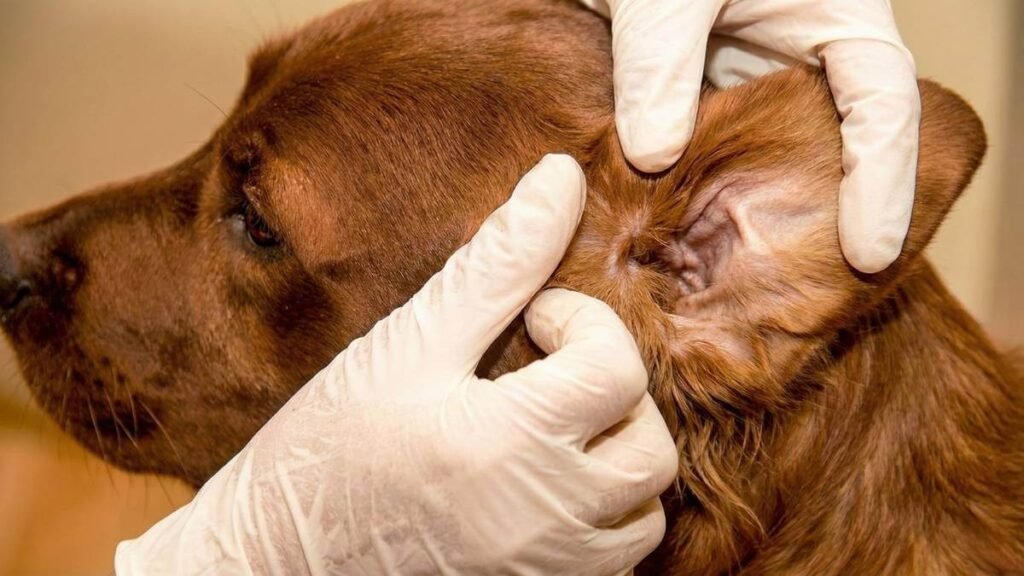
If your dog scratches intensely within 24 hours of a bath, they likely have a reaction. Also, look for redness, hives, or hot spots. These signs indicate you used a bad dog shampoo. Consequently, you should switch to a hypoallergenic dog shampoo immediately.
What shampoo is best for dogs with allergies?
The best dog shampoo for allergies contains limited ingredients. Specifically, look for “Fragrance-Free” and “Sulfate-Free” labels. Make sure it has calming ingredients like oatmeal or aloe as well. Most importantly, verify it contains none of the ingredients to avoid in dog shampoo listed above.
Can one bad ingredient trigger allergies?
Yes, absolutely. Even if a shampoo contains 99% good ingredients, one preservative like methylisothiazolinone can trigger a massive allergic flare-up. Therefore, you must scan the entire list for ingredients to avoid in dog shampoo.
Conclusion
Your dog’s skin serves as their primary defense against the external environment. However, using a shampoo filled with sulfates, parabens, or artificial fragrances is like scrubbing their sensitive skin with sandpaper; it does more harm than good. By learning the ingredients to avoid in dog shampoo, you protect your pet from unnecessary pain.
In 2026, you must look past the marketing hype. Continuously flip the bottle over. If you see any of the Toxic 15 listed above, put them back on the shelf. Instead, choose transparent brands that prioritize your dog’s long-term health over cheap chemicals.
By avoiding these ingredients in dog shampoo, you can prevent the “post-bath itch” and ensure that your pup remains healthy, comfortable, and safe.
Disclaimer: This content is for educational purposes only and does not constitute veterinary advice. The information is based on ingredient research, but every dog is different. Always consult your veterinarian before changing your dog’s grooming routine, especially if they have a skin condition.