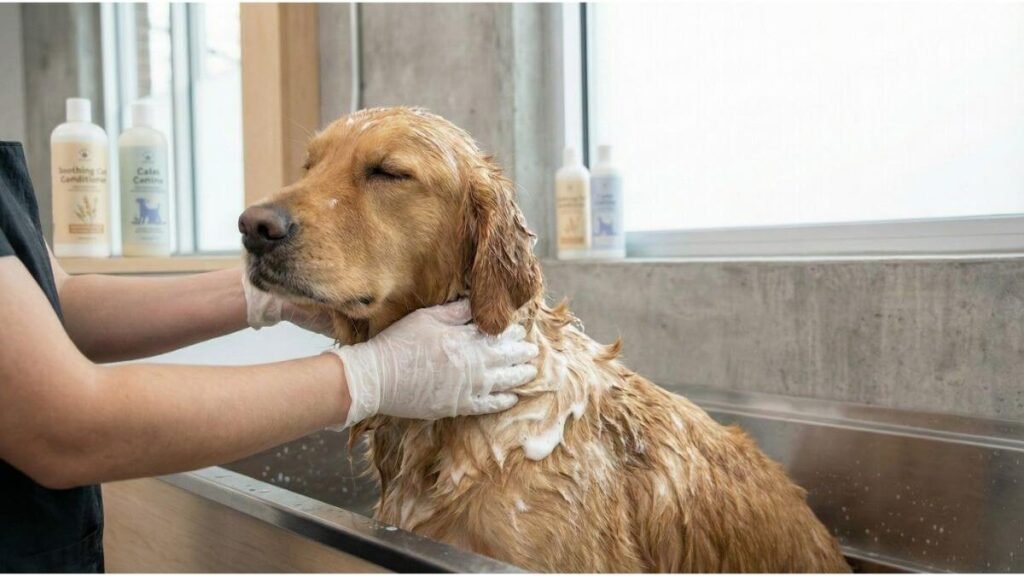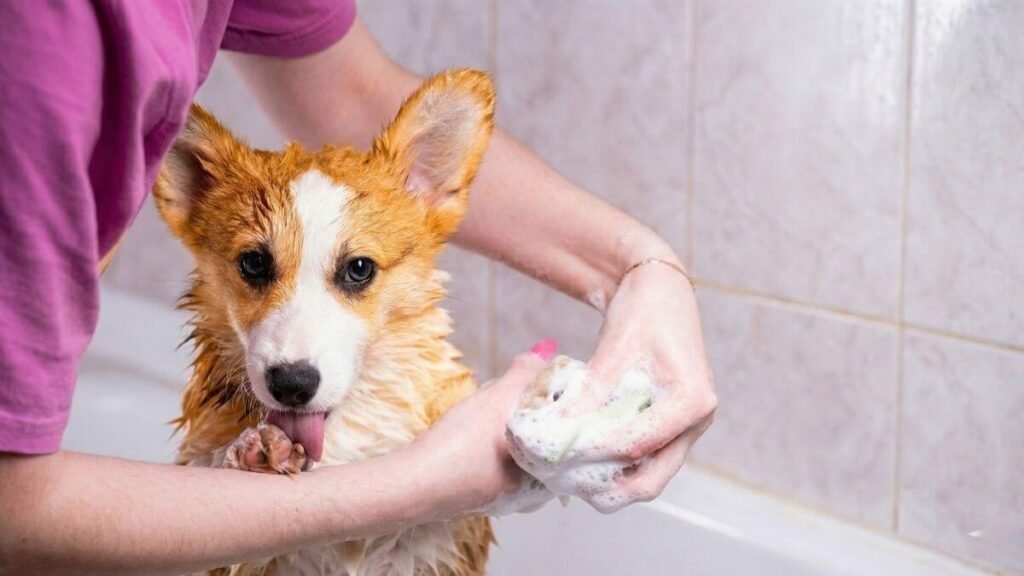


In the world of pet care, the well-being of our furry companions is paramount. One essential tool for maintaining hygiene and fighting infections is a compound called chlorhexidine.
As a pet parent, you have likely seen it on grooming labels and wondered, What is chlorhexidine for dogs? This guide aims to demystify this powerful antiseptic. We pledge to provide you with reliable, science-backed information on its uses, safety, and application to keep your pet healthy and comfortable.
Chlorhexidine for Dogs: At a Glance
Before diving into the science, here is a quick reference guide to this essential chlorhexidine medication for dogs.
Feature | Details |
Drug Name | Chlorhexidine Gluconate |
Drug Class | Biguanide Antiseptic, Antibacterial, Antifungal |
Common Brand Names | Douxo S3, Curaseb, Malaseb, TrizCHLOR |
Main Uses | Bacterial skin infections, Malassezia overgrowth, Dog hot spots, Surgical site preparation |
Available Forms | Chlorhexidine shampoo, wipes, spray, mousse, solution, oral rinse |
Concentration | Skin: 2% to 4% (Needs dilution usually). Oral: 0.12% (Strictly for dental use). |
Contact Time | Must sit on skin for 10 minutes to be effective. |
Safety Warning | Toxic to Eyes (Corneal Ulcers) & Ears (Deafness). |
Average Cost | $15 – $40 |
Understanding Chlorhexidine: A Powerful Antiseptic
To truly understand why this medication is vital for skin condition management, we must look at the science behind it. What is chlorhexidine used for in dogs, and how does it differ from other cleaners?
What Is Chlorhexidine Gluconate?
Chlorhexidine gluconate is a positively charged chemical antiseptic. It is widely used in both human and veterinary medicine due to its broad-spectrum efficacy. Unlike antibiotics that work internally, chlorhexidine on dogs works topically (on the surface) to kill pathogens directly.
The Mechanism: How It Kills Bacteria
The skin of a dog is often under attack by microbes. Chlorhexidine for dogs works by disrupting the cell membranes of bacteria and fungi.
- Attraction: Since the molecule is positively charged, it is magnetically attracted to the negatively charged cell walls of bacteria.
- Rupture: It pierces the cell wall, causing the cytoplasm to leak out.
- Death: The bacteria or yeast cell dies instantly.
Crucially, studies show that while it destroys pathogens, it is generally safe for canine keratinocytes (the primary cells of your dog’s outer skin layer) when used at the correct concentration. This selective toxicity is why veterinary guidance prioritizes it over harsher chemicals like bleach or hydrogen peroxide.
Antimicrobial Stewardship and Resistance
In modern veterinary medicine, antimicrobial resistance is a growing global crisis. Bacteria are becoming immune to oral antibiotics. This is where antimicrobial stewardship comes in.
By using chlorhexidine solution or shampoo to treat skin infections topically, veterinarians can avoid prescribing oral antibiotics. This preserves the effectiveness of pills for life-threatening internal infections. Therefore, using chlorhexidine dog products is not just about cleaning; it is a responsible medical decision.
Different Chlorhexidine Formulations for Dogs
Not all skin problems are the same. A full-body itch requires a different approach than a small cut on a paw. Consequently, manufacturers have developed various chlorhexidine formulations to target specific issues. Choosing the right form is the first step in successful treatment.
1. Chlorhexidine Shampoo
This is the most common form found in pet stores and vet clinics. Chlorhexidine shampoo is typically prescribed for generalized conditions where the infection covers large areas of the body, such as superficial pyoderma (bacterial infection of the upper skin layers).
- Best For: Full-body dermatitis, widespread yeast, and allergic flare-ups.
- Usage: Requires a full bath and a specific contact time.
2. Chlorhexidine Wipes
For owners who cannot bathe their dogs daily, chlorhexidine wipes are an excellent alternative for localized maintenance. These are pre-moistened pads soaked in the solution.
- Best For: Cleaning interdigital infections (infections between the toes), wiping muddy paws, and sanitizing facial folds in breeds like Bulldogs
- Convenience: Great for quick daily use to prevent Malassezia overgrowth in skin folds.
3. Chlorhexidine Spray and Mousse
If your dog has a painful dog hot spot (acute moist dermatitis), rubbing it with a shampoo might be too painful. A spray allows for “touch-free” application.
- Best For: Spot treatments, hot spots, and small wounds.
- Mousse: A foam that you massage in and leave on (do not rinse), providing longer-lasting protection.
4. Chlorhexidine Solution
This substance is the concentrated liquid (often blue or pink). A chlorhexidine solution is versatile but dangerous if undiluted. It is primarily used for surgical site preparation in clinics to sterilize the skin before an operation. At home, it must be diluted heavily before use.
5. Chlorhexidine Mouthwash for Dogs
This is a critical distinction that every owner must know. There is a specific formulation known as chlorhexidine mouthwash for dogs (or oral rinse).
- Safety Alert: Is chlorhexidine safe for dogs to swallow? No. However, oral formulations use a very low concentration (0.12%) designed to kill plaque bacteria associated with gingivitis.
- Warning: Chlorhexidine mouthwash (human version) often contains mint, xylitol, or alcohol, which are toxic to dogs. Never use human mouthwash or skin shampoo in your dog’s mouth.
Proven Uses of Chlorhexidine in Canine Health
Now that we have covered the forms, let’s explore the specific medical conditions where this antiseptic is the hero. The versatility of chlorhexidine on dogs makes it a staple in dermatology.
Treating Bacterial Skin Infections (Pyoderma)
Bacterial skin infections are the number one reason for vet visits. They are often caused by Staphylococcus pseudintermedius.
- Superficial Pyoderma: This disease affects the top layer of skin, causing pustules, redness, and circular crusts (collarettes).
- Action: Regular bathing with chlorhexidine shampoo removes the bacteria and the crusty debris that feeds them, allowing the skin to heal.
Combating Malassezia Overgrowth (Yeast)
Yeast dermatitis is incredibly itchy. It causes a greasy coat, elephant-like skin, and a distinct “corn chip” or musty smell. Malassezia overgrowth thrives in moist, warm areas. Chlorhexidine is highly effective at breaking down the yeast cell wall, neutralizing the smell and the itch.
Managing Dog Hot Spots
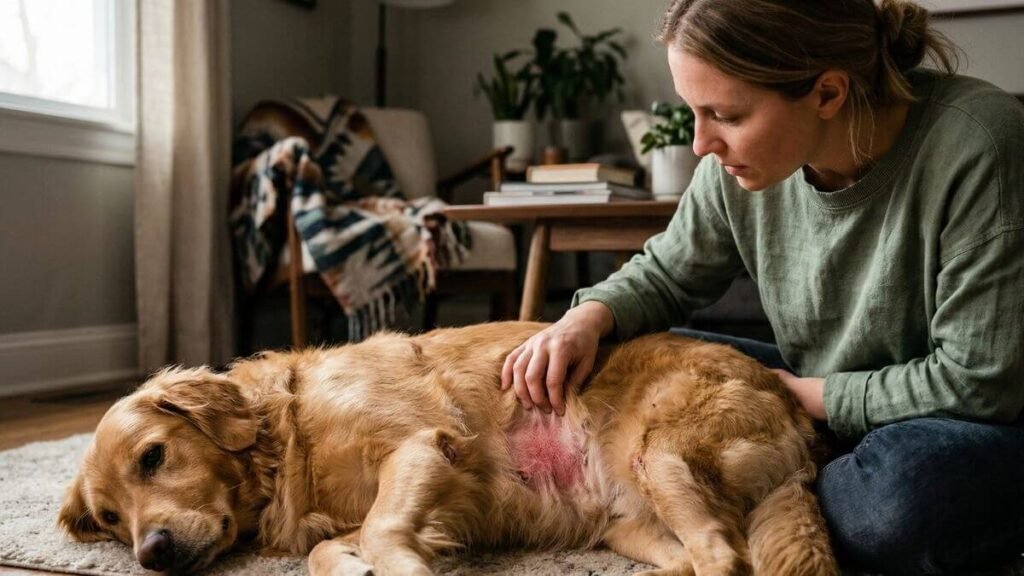
Dog hot spots are rapidly developing, oozing intensely painful skin lesions. They often become infected with bacteria within hours. Applying a chlorhexidine spray for dogs or a dilute solution dries out the lesion and kills the surface bacteria, stopping the spread of the infection.
Pododermatitis (Interdigital Infections)
Many dogs lick their paws incessantly due to interdigital infections. Moisture gets trapped between the toes, creating a breeding ground for germs. Daily cleaning with chlorhexidine wipes helps keep this area dry and sanitized.
Can I Use Human Chlorhexidine (Hibiclens) on Dogs?
This is perhaps the most debated topic in online forums. Since human antiseptic washes like Hibiclens are readily available at pharmacies, many dog owners ask whether it is safe to use the human version of chlorhexidine on their pets.
The short answer is: It is risky and generally not recommended without specific modification.
The Problem with Human Formulations
While the active ingredient, chlorhexidine gluconate, is the same, the inactive ingredients differ significantly.
- Concentration: Human surgical scrubs are typically 4%. This is often too strong for sensitive chlorhexidine dog skin and can cause chemical burns.
- Harsh Detergents: Human products contain strong soaps designed to degrease human hands before surgery.
- Skin Barrier Damage: Canine skin has a different pH (neutral to alkaline) compared to human skin (acidic). Using strong human soap strips the natural oils, damaging the skin barrier function.
When the barrier is damaged, it leads to transepidermal water loss (TEWL) a condition where moisture escapes the skin, leaving it dry, cracked, and more susceptible to new infections. Therefore, it is wiser to rely on veterinary-formulated chlorhexidine for dogs to maintain skin surface hydration.
Is Chlorhexidine Safe for Dogs? (Safety Profile)
Generally, yes. When used correctly, chlorhexidine for dogs has a high safety margin. It is poorly absorbed through the skin, meaning it rarely enters the bloodstream. However, professional veterinary oversight is crucial if you are diluting products at home to ensure you don’t accidentally create a solution that is too strong.
Chlorhexidine Solution: Proper Dilution Guide
If you have purchased a concentrated chlorhexidine solution (often 2% or 4%), you must dilute it. Applying pure concentrate to an open wound is painful and cytotoxic (kills healing cells).
Here is a guide to creating a safe chlorhexidine dog antiseptic wash at home.
The Golden Ratio: 1:30
For general wound cleaning or wiping down itchy paws, the standard veterinary recommendation is a 1:30 dilution.
- Recipe: Mix 1 part chlorhexidine concentrate with 30 parts distilled water.
- Example: 1 ounce of solution mixed with 30 ounces of water.
This creates a pale blue or pink wash that effectively kills bacteria without stinging or damaging canine keratinocytes.
Intended Use | Dilution Strength | Notes |
General Cleaning | Dilute to 0.05% – 0.1% | This solution is safe for flushing minor cuts. |
Hot Spots | Dilute to 0.5% – 1% | Stronger for intact skin around the sore. |
Surgical Prep | Undiluted or Low Dilution | Surgical site preparation only (clinical use). |
Note: Always verify dilution instructions on the bottle or seek veterinary guidance.
Proper Application Technique: The 10-Minute Rule
Simply buying the best chlorhexidine shampoo is not enough; you must use the proper application technique to see results. Many owners claim the product didn’t work, but in reality, they rinsed it off too quickly.
Step 1: Preparation and Pre-Bath
If your dog is dirty, wash them with a regular grooming shampoo first to remove mud and grease. Chlorhexidine on dogs works best when it can directly contact the skin, not the dirt sitting on top of it.
Step 2: Application and Massage
Apply the chlorhexidine dog products (shampoo or mousse) generously. Massage it into the skin, focusing on the armpits, groin, and paws, where Malassezia overgrowth is common.
Step 3: The Critical Contact Time
This is the most important rule in dermatology: You must leave the lather on for at least 10 minutes.
It takes time for the chlorhexidine gluconate molecule to penetrate the bacterial cell wall and kill it. Rinsing at minute 3 or 5 renders the treatment ineffective.
- Tip: Use this time to feed your dog treats or peanut butter to keep them calm.
Step 4: Rinsing and Drying
Rinse thoroughly with cool water. Hot water can increase itching. Towel dry gently.
Complementary Treatments and Skin Maintenance
While chlorhexidine for dogs is a powerhouse, it can be drying. Long-term use of antiseptic baths can strip the skin’s natural lipid layer. To counteract this, a holistic approach to skin condition management is necessary.
Restoring Moisture
To prevent dryness and reduce transepidermal water loss, look for chlorhexidine formulations that include moisturizing agents like:
- Phytosphingosine: Helps rebuild the skin barrier.
- Aloe Vera: Soothes inflammation.
- Conditioners: Using a post-bath conditioner can lock in skin surface hydration.
Diet and Supplements
Complementary treatments such as omega-3 fatty acid supplements (fish oil) can help strengthen the skin from the inside out, making it more resistant to bacterial invasion.
Safety Considerations and Side Effects
Even though we know that the use of chlorhexidine for dogs is common, there are risks associated with improper use.
Eyes and Ears: The Danger Zones
- Eyes: Chlorhexidine solution is toxic to the cornea. If splashed into the eye, it can cause severe corneal ulcers. Always protect your dog’s eyes during bathing.
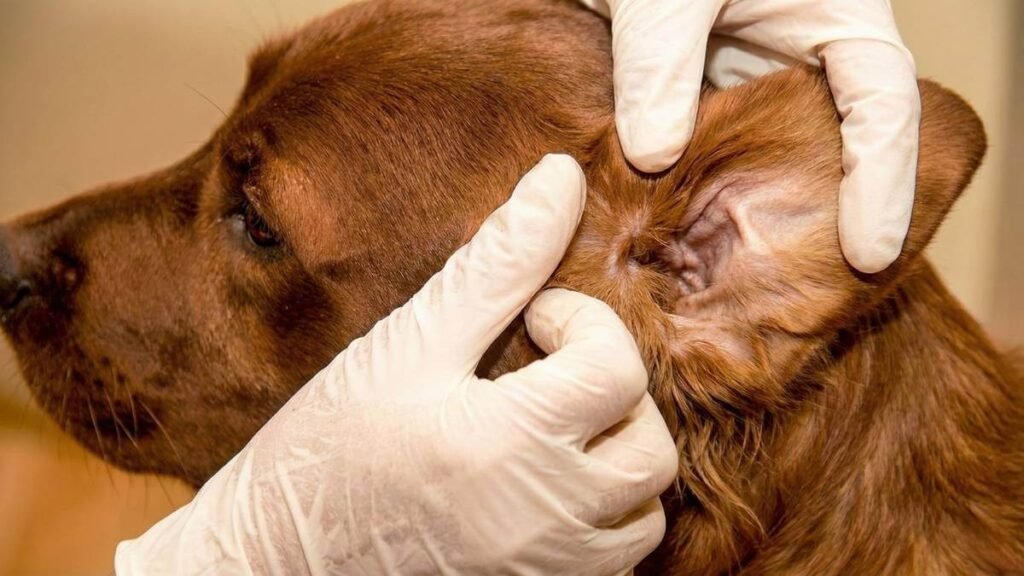
- Ears: Never pour chlorhexidine into the ear canal unless your vet explicitly tells you the eardrum is intact. If the eardrum is ruptured, it can cause deafness and vestibulotoxicity (balance issues).
Ingestion Risks
Owners often worry, What if my dog licks the shampoo?
Small amounts of chlorhexidine shampoo ingested while licking are usually harmless, causing only minor drooling or an upset stomach. However, drinking the concentrated chlorhexidine mouthwash (especially if it contains alcohol) or large amounts of solution requires immediate veterinary attention.
Adverse Reactions
In rare cases, a dog may be allergic. Signs include:
- The redness of the dog may worsen after a bath.
- The dog may exhibit symptoms such as hives or swelling.
- Increased itching intensity.
If this happens, stop using chlorhexidine on dogs immediately and rinse with plain water.
Comparing Chlorhexidine Products
With so many brands, how do you choose? Here is a breakdown of popular chlorhexidine dog options.
Chlorhexidine vs. Benzoyl Peroxide
Benzoyl peroxide is another common shampoo ingredient.
- Chlorhexidine: Best for bacteria (Staph) and yeast. It is gentler.
- Benzoyl Peroxide: Best for “folliculitis” (deep acne) and flushing out hair follicles. It is much more drying than chlorhexidine.
Chlorhexidine vs. Ketoconazole/Miconazole
Often, you will see shampoos that mix chlorhexidine gluconate with ketoconazole or miconazole.
- Why mix? Chlorhexidine kills bacteria and yeast, but ketoconazole is a dedicated antifungal specialist. The combination creates a “broad-spectrum” weapon against stubborn mixed infections.
Chlorhexidine Mouthwash for Dogs vs. Skin Solution: A Critical Distinction
One of the most dangerous mistakes a pet owner can make is assuming all chlorhexidine dog products are the same. They are not. Using a skin cleanser in your dog’s mouth can cause severe chemical burns and toxicity.
Here is why you must strictly distinguish between chlorhexidine mouthwash for dogs and the standard chlorhexidine solution used for skin.
1. Concentration Matters (The 0.12% Rule)
- Skin Solution: Standard chlorhexidine shampoo or antiseptic skin solutions typically contain 2% to 4% chlorhexidine gluconate. This high concentration is designed to kill tough bacteria on the thick skin barrier.
- Mouthwash: Chlorhexidine mouthwash for dogs is formulated at a much lower concentration, typically 0.12%. This level is strong enough to kill plaque bacteria but safe enough for the delicate mucous membranes of the gums.
2. Toxic Ingredients vs. Safe Formulation
- Skin Products: These often contain soaps, detergents, and isopropyl alcohol to cut through grease and dirt. If swallowed or applied to gums, these ingredients can cause oral ulcers, vomiting, and esophageal damage.
- Oral Products: Veterinary oral rinses are alcohol-free and often flavored (e.g., poultry or malt) to be palatable. They are designed to be safe if a small amount is swallowed during cleaning.
3. Comparative Safety Guide
To ensure chlorhexidine is safe for dog usage, use this comparison table before applying any product:
Feature | Skin Solution / Shampoo | Oral Rinse (Mouthwash) |
Concentration | High (2% – 4%) | Low (0.12%) |
Intended Use | Dog hot spots, Pyoderma, Wounds | Gingivitis, Plaque, Bad Breath |
Ingredients | Contains soaps & detergents | Alcohol-free, surfactant-free |
Taste | Extremely bitter/Chemical | Flavored (Pet-friendly) |
Safety Warning | If ingested, the product can be toxic. Do not use in the mouth. | It is safe for the gums and teeth. |
Note: Never guess. Before buying, check the bottle explicitly for the words “Oral Rinse” or “Dental.” Keep it far from your dog’s mouth if all you see is Antiseptic Skin Cleanser” or “Shampoo.” Using a high-strength chlorhexidine solution on gums is not just painful; it requires immediate veterinary attention
Top-Rated Chlorhexidine Dog Products: Expert Reviews
Choosing the right product can be confusing. Not all chlorhexidine dog products are the same. Some contain moisturizing agents to counter dryness, while others mix in antifungal drugs for a stronger punch. Based on veterinary guidance and user results, here are the top contenders in the market.
1. Douxo S3 PYO Shampoo (The Gold Standard)
If you ask a dermatologist, what is Douxo chlorhexidine used for in dogs? They will likely tell you it is the #1 choice for managing bacterial skin infections and Malassezia overgrowth.
- Active Ingredients: Chlorhexidine Gluconate (3%) + Ophytrium.
- Why It Wins: Unlike generic brands, Douxo S3 contains Ophytrium, a natural ingredient that strengthens the skin barrier function. This helps retain skin surface hydration and reduces transepidermal water loss, making it the safest option for long-term use.
- Best For: Dogs with chronic allergies, recurring infections, and sensitive skin. It effectively treats the infection without turning the skin into sandpaper.
2. Curaseb Antifungal & Antibacterial Shampoo (Best Budget Pick)
For owners looking for a powerful chlorhexidine shampoo without the premium price tag, Curaseb is a top performer.
- Active Ingredients: Chlorhexidine (2%) + Ketoconazole (1%).
- Why It Wins: This product combines the antibacterial power of chlorhexidine with ketoconazole, a dedicated antifungal. This dual-action approach makes it incredibly effective against mixed infections (where both bacteria and yeast are present).
- Best For: Stubborn ringworm, greasy yeast skin, and severe odor.
3. Veterinary Formula Clinical Care Antiseptic & Antifungal
- Active Ingredients: Chlorhexidine, Ketoconazole, and Aloe Vera.
- Why It Wins: This is widely available and affordable. It includes aloe vera and lanolin to act as complementary treatments, soothing the red, inflamed skin while the medicine kills the germs.
- Best For: Mild to moderate infections and budget-conscious owners.
4. Virbac C.E.T. Aquadent or Oral Rinse (Best for Dental)
When looking for chlorhexidine mouthwash for dogs, you cannot use the shampoos listed above. Virbac offers safe, formulated oral solutions.
- Active Ingredients: Chlorhexidine (0.12%) + Zinc.
- Why It Wins: It fights plaque and bad breath (halitosis) without the toxicity of human mouthwash.
- Best For: Dogs with gingivitis or those who won’t let you brush their teeth.
5. Pet MD Chlorhexidine Wipes (Best for Maintenance)
- Active Ingredients: Chlorhexidine + Ketoconazole.
- Why It Wins: These wipes are essential for daily skin condition management in breeds with skin folds (Bulldogs, Pugs). They prevent moisture buildup and bacterial growth in hard-to-reach areas.
When to Seek Professional Veterinary Guidance
While home treatment with chlorhexidine on dogs is effective for mild cases, it is not a substitute for professional veterinary oversight. Delaying medical care can lead to antimicrobial resistance, where the bacteria become too strong for antibiotics to kill.
You should stop home treatment and visit a vet if:
- No Improvement: You have been using the chlorhexidine dog antiseptic for 2 weeks with no sign of healing.
- Worsening Symptoms: The red spots are spreading, or the skin is becoming darker (hyperpigmentation) and thicker.
- Pain: Your dog cries or snaps when you touch the area (this may indicate a deep infection requiring oral antibiotics).
- Open Wounds: Deep cuts or puncture wounds require surgical site preparation and stitching, not just shampoo.
Systemic Signs: Your dog is lethargic, vomiting, or refusing to eat.
Frequently Asked Questions (FAQ)
Here are direct answers to common questions about what is chlorhexidine for dogs and its usage.
Q: Can I use human Hibiclens on my dog?
A: No, it is not recommended. Hibiclens is 4% strength and contains harsh soaps that damage a dog’s pH balance. Always use a veterinary-formulated chlorhexidine solution or dilute strictly according to veterinary guidance.
Q: Does chlorhexidine sting dogs?
A: Generally, no. Chlorhexidine safe for dogs solutions are non-stinging. However, if applied to a raw, open, or bleeding wound, it may cause mild discomfort.
Q: Is chlorhexidine safe for dogs to lick?
A: Licking small amounts of dried residue or foam is usually safe but may cause minor drooling or nausea. However, ingesting large amounts of concentrated chlorhexidine mouthwash or solution is toxic.
Q: Can I use chlorhexidine on my dog every day?
A: For active infections, vets recommend daily or every-other-day bathing. For maintenance, once a week is sufficient. Overuse can damage skin surface hydration.
Q: Does chlorhexidine kill fleas?
A: No. Chlorhexidine for dogs is an antiseptic (kills bacteria/fungi), not an insecticide. It will not kill fleas or ticks.
Q: What is the difference between chlorhexidine and Betadine?
A: Chlorhexidine has a longer residual activity (works for 48 hours) and is better for bathing. Betadine (povidone-iodine) is better for a one-time cleaning of a dirty wound, but it stains fur and skin.
Conclusion
In summary, what is chlorhexidine for dogs? It is the most versatile and effective tool in a pet owner’s arsenal for fighting skin problems. Whether you are dealing with bacterial skin infections, annoying dog hot spots, or simply trying to keep a bulldog’s wrinkles clean, this antiseptic offers a safe and proven solution.
However, success depends on proper application technique. Remember the golden rules: choose the right chlorhexidine formulations (shampoo vs. oral rinse), never use undiluted human products, and always ensure a 10-minute contact time. By following these guidelines and maintaining professional veterinary oversight, you can banish the itch and keep your dog’s coat healthy, comfortable, and infection-free.