
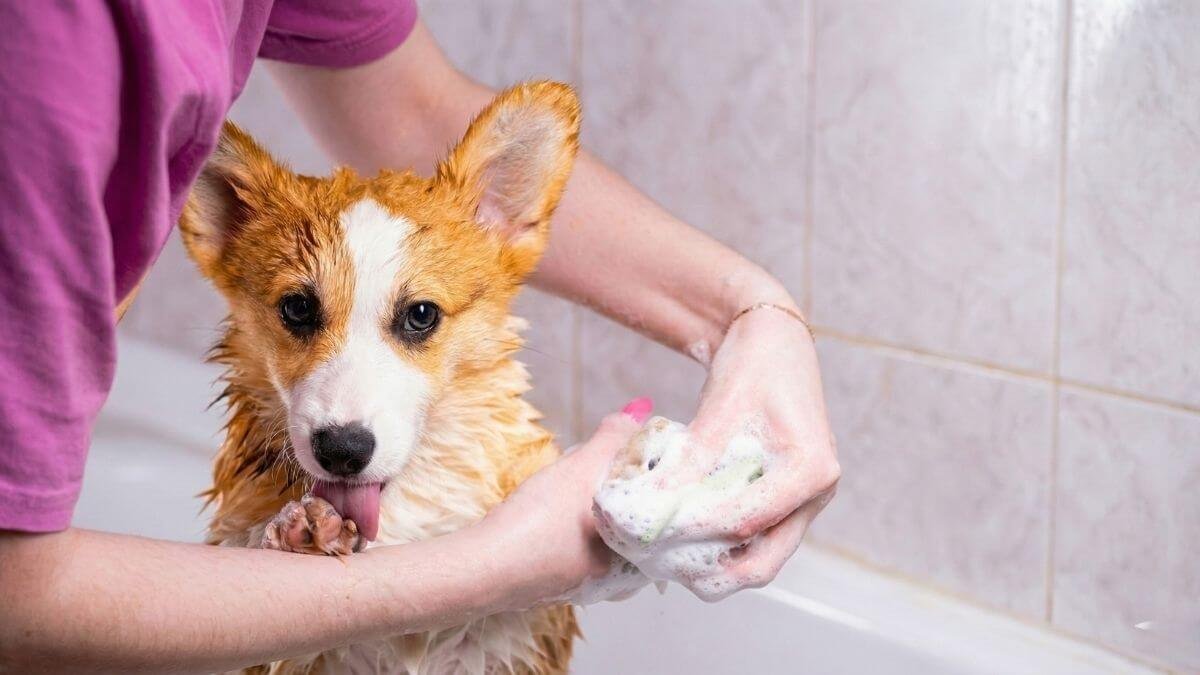
Do you constantly wonder if you wash your pet too much or too little? Finding the perfect balance confuses many owners. While a clean pup feels great, scrubbing too often strips natural oils. Conversely, waiting too long invites bacteria. This guide clarifies exactly how often should i wash my dog based on breed, coat, and lifestyle to ensure optimal health.
Bathing Frequency Depends On Your Dog
Determining how often should you give your dog a bath requires a personalized approach because every dog differs. The grooming world lacks a universal rule. While many sources suggest a monthly bath, this schedule might fail your specific pet due to their unique genetic makeup.
You must evaluate your dog’s specific needs. Consequently, you will establish a routine that promotes a shiny coat and healthy skin. Factors such as coat texture, skin sensitivity, and daily activity levels dictate the schedule. If you ignore these variables, you risk damaging your dog’s skin barrier. Therefore, we will break down these factors to help you decide exactly how often should you bathe your dog for the best results.
How Often To Bathe a Dog by Coat Type
Your dog’s coat type serves as the primary indicator for their bathing schedule. Different textures trap dirt and oil at different rates. To help you visualize this, here is a detailed breakdown of how often to bathe a dog based on their specific fur type.
|
Coat Type
|
Breeds
|
Recommended Frequency
|
|---|---|---|
|
Short / Smooth
|
Beagle, Boxer, Pug
|
Every 2–3 months
|
|
Double Coat
|
Husky, Golden Retriever
|
Every 4–6 weeks
|
|
Curly/Wavy
|
Poodle, Bichon Frise
|
Every 3–4 weeks
|
|
Wire Coat
|
Terrier, Schnauzer
|
Every 4–8 weeks
|
|
Hairless
|
Chinese Crested, Xolo
|
Weekly
|
|
Oily Coat
|
Basset Hound, Cocker Spaniel
|
Weekly to Bi-weekly
|
Dogs with thick double coats
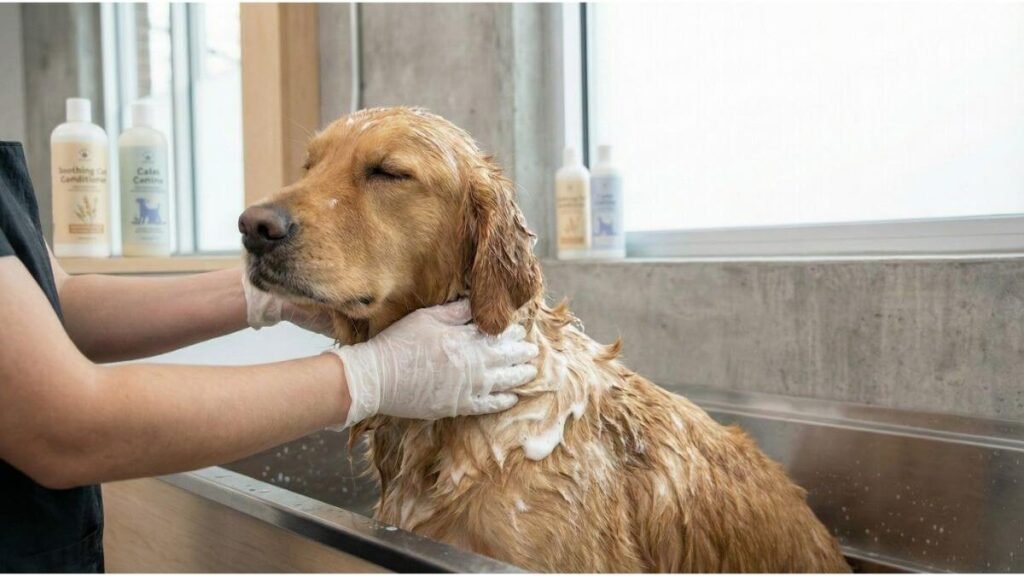
Double-coated dogs like Huskies, German Shepherds, and Golden Retrievers possess a dense undercoat that insulates them from heat and cold. Because this coat repels water naturally, you should not wash it too frequently. Over-bathing strips the essential oils that waterproof their fur. However, during shedding seasons, bathing helps remove loose fur. Therefore, aiming for a bath every 4 to 6 weeks keeps their coat healthy without drying out their skin.
Dogs with short coats
Breeds like Beagles and Boxers have low-maintenance fur. Because their hair is short, dirt often falls right off. Consequently, you do not need to bathe your dog as often as long-haired breeds. Unless they roll in mud, washing them once every two to three months usually suffices. Frequent washing might irritate their skin unnecessarily due to the lack of protective hair length.
Dogs with wire coats
Terriers and Schnauzers possess coarse, wiry hair that protects them from thorns and debris. If you wash these dogs too often, you soften their coat, which ruins its natural protective texture. Therefore, professional groomers recommend bathing them every 4 to 8 weeks. Between baths, regular brushing keeps their coat clean and maintains its signature texture.
Dogs with curly coats
Poodles and Doodles fall into this category. Because their hair grows continuously and curls back on itself, they trap dirt, debris, and allergens easily. Consequently, they require more frequent attention. You should plan to wash your pet every 3 to 4 weeks. If you wait longer, painful mats will form close to the skin, which forces groomers to shave the coat short.
Hairless dogs
Hairless dogs actually require the most frequent baths. Because they lack hair to absorb natural oils, their pores clog rapidly, leading to acne and blackheads. Therefore, you must wash them weekly with a gentle cleanser to keep their skin clear and healthy.
Puppy Bath Schedules
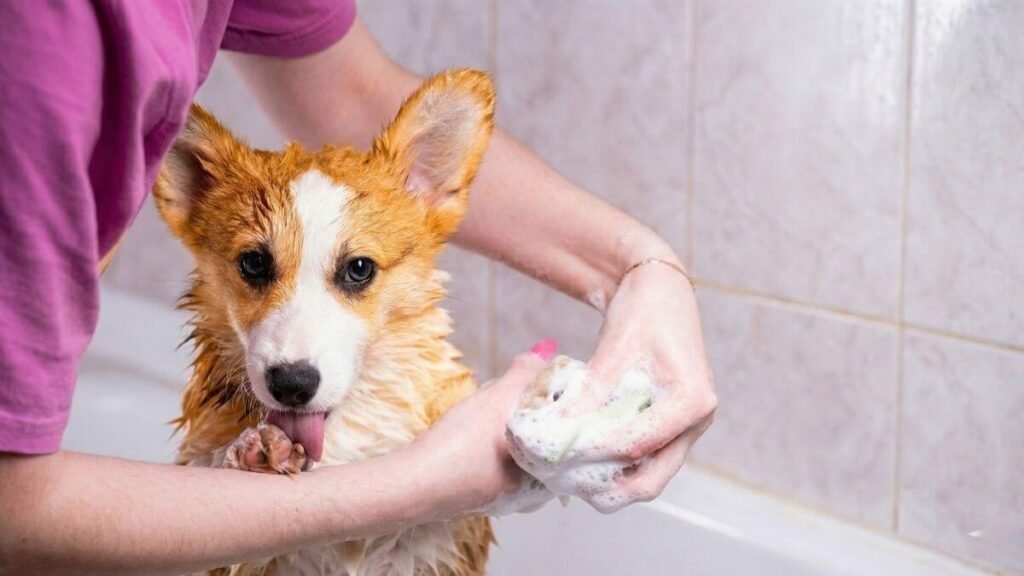
New owners often ask, how often to bathe a puppy? Puppies possess delicate skin and struggle to regulate their body temperature. Consequently, you should wait until they reach at least eight weeks of age before their first full bath. Once they pass this milestone, you can bathe them monthly to get them accustomed to the process.
Starting early creates a positive association with water. If you delay exposing them to the tub, they might develop a fear of water later in life. Use plenty of treats and praise during these initial sessions. Because puppies get messy quickly, you might need to spot-clean them more often, but reserve full baths for once a month to protect their developing skin barrier.
Senior Dog Bath Schedules
As dogs age, their grooming needs change. Senior dogs often suffer from arthritis or joint pain, which makes standing in a tub difficult. Therefore, you might need to reduce the frequency of full baths to minimize their discomfort.
However, senior dogs sometimes lose bladder control, leading to hygiene issues. If this occurs, you must bathe your dog or perform spot checks daily to prevent urine scald. Always use a non-slip mat in the tub to ensure they feel secure. Prioritizing their comfort over a strict schedule ensures their golden years remain dignified and pain-free.
Dog Activity Level and Bath Frequency
Your lifestyle directly impacts how many times should you give a dog a bath. A dog that sleeps on the sofa all day accumulates far less dirt than a dog that hikes every weekend.
Indoor Dogs
If your dog spends 90% of their time indoors and only goes out for short potty breaks on sidewalks, they stay clean for weeks. Because they encounter fewer environmental allergens and mud, you can stick to a minimal bathing schedule.
Outdoor and Active Dogs
Conversely, active dogs that swim in lakes, run through fields, or play at the dog park bring nature home. Mud, pollen, and bacteria cling to their fur. Consequently, active dogs require more frequent washing to prevent skin infections and keep your home clean. If your dog swims in natural bodies of water, you must rinse them off immediately to remove bacteria and algae, even if you don’t use shampoo every time.
How Often To Bathe Dogs With Skin Conditions
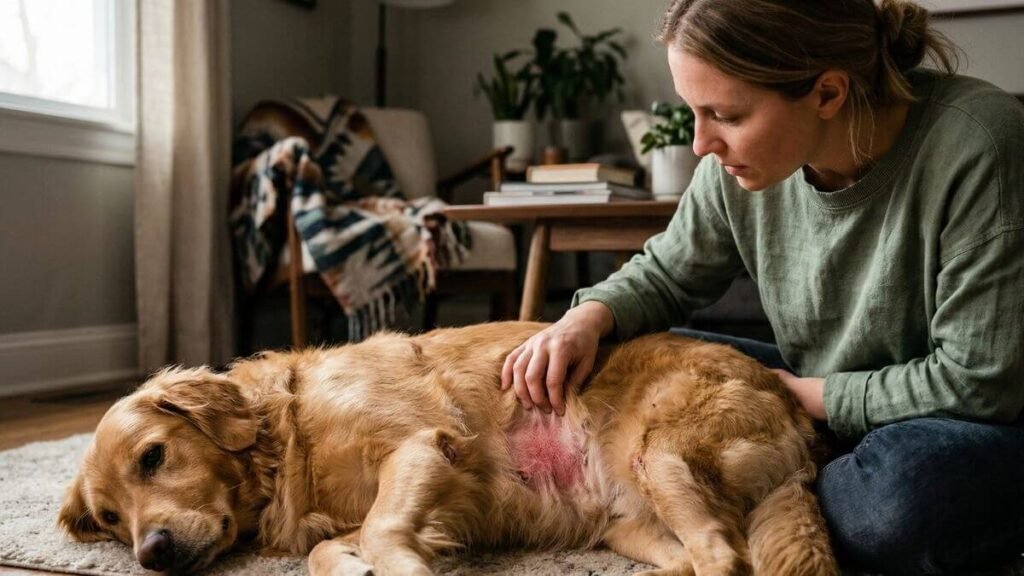
Medical issues drastically change the rules. Owners frequently ask, how often should i bathe my dog with dry skin or allergies? In these cases, bathing becomes a medical treatment rather than just a cosmetic one.
Allergies and Itchy Skin
If your dog suffers from environmental allergies, pollen and dust settle on their skin, triggering intense itching. Vets often prescribe dog skin care routines that involve bathing once or even twice a week. This frequent washing physically removes the allergens from the coat, providing immediate relief.
Dry and Flaky Skin
For dogs with dry skin, the instinct is to bathe less. However, the best dog shampoo formulated with moisturizing oatmeal or aloe vera can actually help hydrate the skin when used. If you use the right product, you can bathe them more frequently to soothe irritation.
Yeast and Bacterial Infections
Conditions like yeast dermatitis thrive on oily, neglected skin. To combat this, you must wash your pet with a medicated antifungal shampoo exactly as prescribed, often every 3 to 4 days initially. Following the vet’s instructions precisely ensures the infection clears up.
Signs Your Dog Needs a Bath Immediately
Regardless of the schedule, your dog will let you know when it is time. Watch for these clear signs your dog needs a bath:
- Unpleasant Odor: If you lean in for a cuddle and smell a musty or “corn chip” odor, bacteria are multiplying on the skin.
- Greasy Coat: Run your hand down their back. If your hand feels oily or smells bad afterward, it needs a wash to remove excess sebum.
- Visible Dirt: Mud on the paws or debris in the tail warrants an immediate trip to the tub.
- Excessive Scratching: Sometimes, a bath relieves itching caused by dust or grass.
Should you observe these signs, please disregard the calendar and bathe your dog promptly.
What If I Want To Bathe My Dog More Often?
Some owners simply prefer a pristine dog. You might ask, should i bathe my dog weekly just because I want to? The answer is yes, but only if you use the correct products.
If you choose to bathe weekly, you must avoid harsh shampoos that strip oil. Instead, select a soap-free, hypoallergenic, or moisturizing formula. Because these products clean gently without destroying the lipid barrier, they allow for frequent washing. However, keep an eye on their coat. If it becomes dull or dry, you are washing too often and should scale back immediately.
Risks: Bathing Too Frequently vs. Not Enough
Finding the sweet spot is crucial because extremes on either side cause problems.
The Dangers of Bathing Too Frequently
If you scrub your dog daily with standard shampoo, you destroy their natural defense system. Bathing too frequently removes sebum, which keeps the skin soft and pliable. Consequently, the skin cracks, flakes, and becomes vulnerable to bacterial invaders. Paradoxically, this dryness often causes more itching, leading owners to wash even more, creating a vicious cycle.
The Risks of Not Bathing Enough
On the other hand, neglecting hygiene allows dirt and oil to build up. This accumulation clogs pores and traps moisture against the skin. Due to this warm, damp environment, yeast and bacteria flourish, leading to hot spots and painful infections. Regular bathing prevents these issues by keeping the skin’s surface clean and breathable.
When Not To Bathe Your Dog
Safety must always come first. There are specific scenarios where you must keep your dog dry.
No baths for at least two weeks after surgery
If your dog has stitches or an open surgical wound, water can introduce bacteria and soften the incision site. This delays healing and causes infection. Always wait until the vet removes the stitches or gives you the all-clear.
Wait 48 hours for topical medications to dry
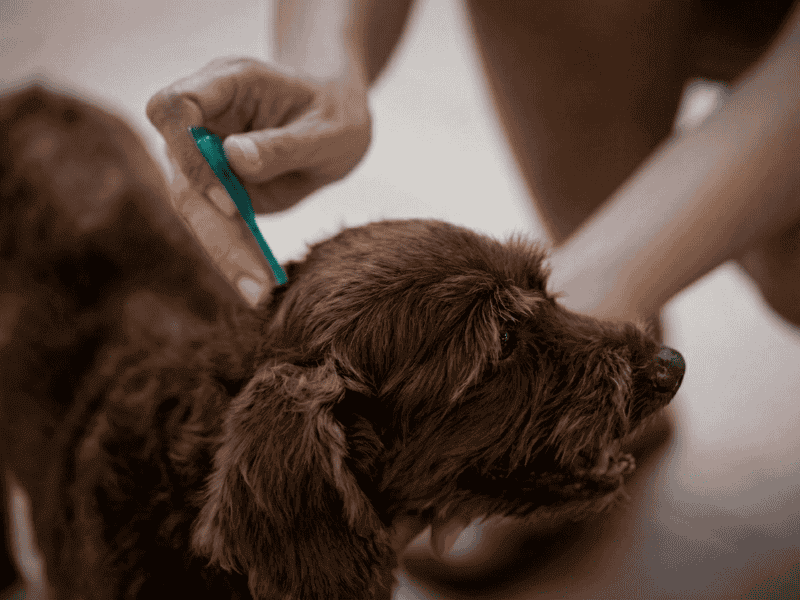
If you apply spot-on flea and tick prevention, you must wait 48 hours before letting your dog get wet. Washing them too soon strips the medication from their skin, rendering it ineffective and leaving your dog unprotected.
Don’t bathe a puppy under eight weeks
As mentioned earlier, very young puppies cannot regulate their body temperature well. A bath can cause them to become dangerously cold (hypothermia). Stick to warm cloth wipe-downs until they are older.
How To Extend the Time Between Dog Baths
You can keep your dog fresh without a full tub session. Here are expert tips for dog grooming at home to prolong cleanliness.
Brushing between baths
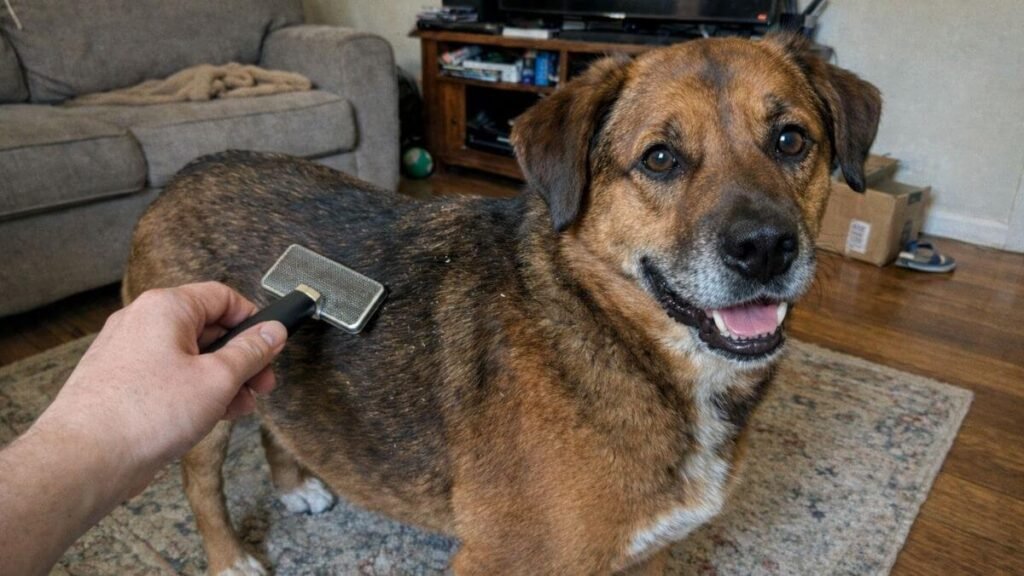
Daily brushing removes loose hair and dirt before it gets ground into the coat. Because it distributes natural oils down the hair shaft, brushing between baths keeps the coat shiny and cleaner for longer.
Spot Cleaning and Wipes
Use grooming wipes to clean muddy paws and dirty faces. This method focuses on cleaning the mess without wetting the entire dog. Waterless foam shampoos also work wonders for freshening up the coat and neutralizing odors in minutes.
How often should i wash my dogs bed
Your dog is only as clean as their sleeping area. If you wash your dog but they sleep on a dirty bed, they will smell again instantly. Therefore, you should wash your dog’s bedding weekly. This practice drastically reduces the “doggy smell” in your house and keeps your pet cleaner.
Best Practices: How To Bathe a Dog Correctly
Knowing how often should i wash my dog is only half the battle; knowing how to do it correctly matters just as much. Follow these dog bathing tips for a stress-free experience.
- Preparation: Brush your dog before the bath to remove mats. Water tightens knots, making them impossible to remove later.
- Water Temperature: Use lukewarm water. Hot water dries the skin, and cold water scares the dog.
- Shampoo Selection: Always use the best dog shampoo formulated for canine pH. Never use human products.
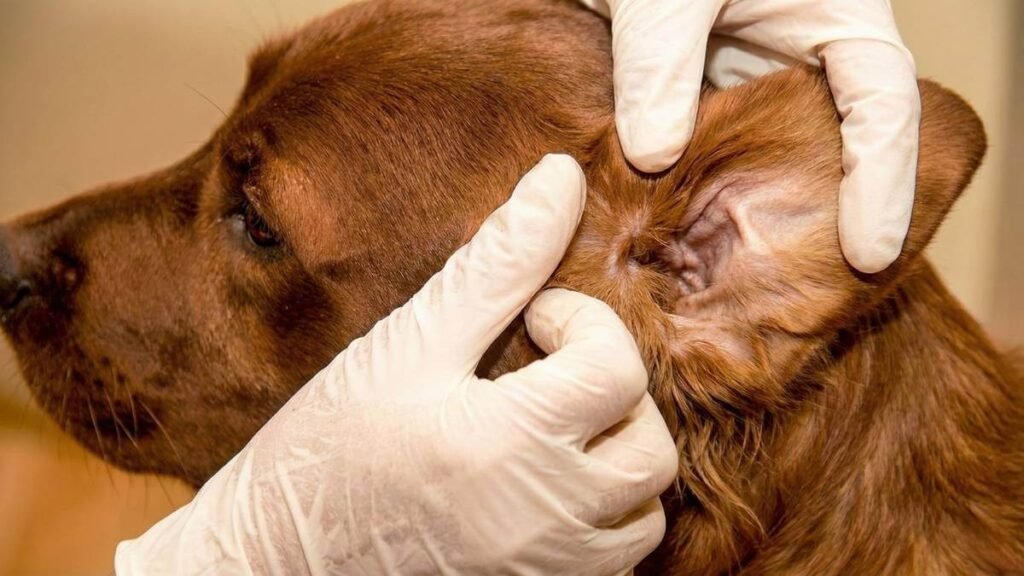
- Protect the Ears: Place cotton balls in the ears to prevent water from entering the canal, which causes infections.
- Rinse Thoroughly: Shampoo residue causes intense itching. Rinse until the water runs completely clear.
- Dry Completely: Use a towel or a dryer on a cool setting. Damp fur promotes fungal growth.
If you master how to bathe a dog properly, your pet might actually start to enjoy the process!
How Often To See a Groomer for Baths
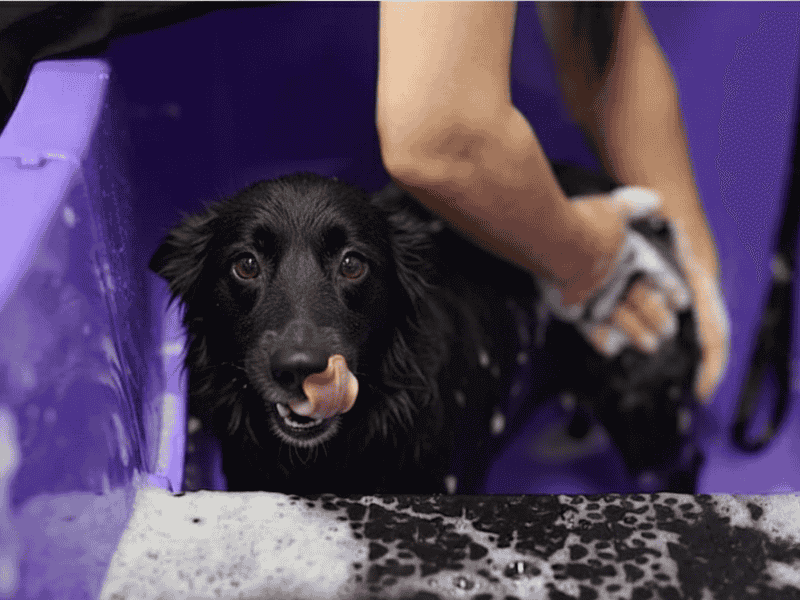
While home maintenance is essential, professional dog grooming offers a deeper clean. Groomers possess high-velocity dryers that blow out loose undercoat and dander that home dryers cannot reach.
Dogs with short coats.
For short-haired breeds, a professional bath 2 to 4 times a year helps remove deep-seated dead hair and keeps shedding under control.
Dogs with medium coats.
Breeds with medium fur benefit from professional grooming during seasonal changes (spring and fall). This assists the shedding process and prevents the house from becoming covered in fur.
Dogs with long coats.
Long-haired breeds require the most professional help. You should see a groomer every 4 to 6 weeks for a bath and haircut. This schedule prevents matting and keeps the coat manageable.
Conclusion
So, how often should I wash my dog? The answer lies in observing your specific pet. While a hairless dog needs weekly attention, a short-haired mix might only need a bath seasonally.
Evaluate their coat type, monitor their skin health, and adjust based on how dirty they get during play. Remember, the goal of dog coat care is to maintain a healthy skin barrier, not just to make them smell like flowers. By following the guidelines in this article and using the right products, you ensure your best friend stays clean, comfortable, and healthy.
Frequently Asked Questions (FAQ)
Q: How often should I wash my dog?
A: Generally, wash your dog once a month. However, this varies by breed. Double-coated dogs need monthly baths, while short-haired breeds can wait 2-3 months. Active dogs or those with skin conditions may need weekly baths. Always check how often should i wash my dog based on your specific lifestyle and vet recommendations.
Q: Should I bathe my dog weekly?
A: You can, provided you use a moisturizing, soap-free shampoo. Weekly bathing helps remove allergens for itchy dogs. However, if you use harsh shampoos, you risk drying out their skin. If you want to wash your pet this often, ensure the product is designed for frequent use.
Q: How often should I bathe my dog with dry skin?
A: Bathe a dog with dry skin every 1-2 weeks using a hydrating oatmeal shampoo. Contrary to popular belief, frequent bathing with the right product adds moisture back into the skin. Consult your vet for the best dog skin care routine for flaky skin.
Q: How often to wash your dog if they have fleas?
A: If your dog has fleas, bathe them immediately with a flea shampoo. However, shampoo only kills fleas on the dog at that moment. You must follow up with a topical or oral preventative. Do not bathe your dog for 48 hours after applying topical flea treatments.
Q: How often should you give your dog a bath if they smell?
A: If your dog smells bad, bathe them immediately. A musty odor indicates bacteria or yeast overgrowth. If the smell returns quickly after the bath, consult a vet, as it may signal an underlying infection rather than just a dirty coat.