
Did you know as many as 50% of hot spots on dogs could be an allergic reaction to food?
These sore, red patches are referred to as hot spots or acute moist dermatitis and can pop up out of nowhere when your dog has one and spread easily across his body if not treated right away. During the warm months of summer, you should keep an eye out for hot spots they’re sometimes called summer sores.
If you’ve seen your dog licking or chewing the same location over and over, red and inflamed, chances are it’s a hot spot. But with early detection and careful treatment, you might be able to save a trip to the vet. But knowing what’s behind these annoying sores and how to treat them is vital for your pet’s health.
This article covers everything about dog hot spots: causes, treatments, and prevention. Are your Labrador Retriever, Golden Retriever, or German Shepherd prone to hot spot problems? We will help you nip this discomfort in the bud with our hot spot treatment.
What Are Hot Spots on Dogs?
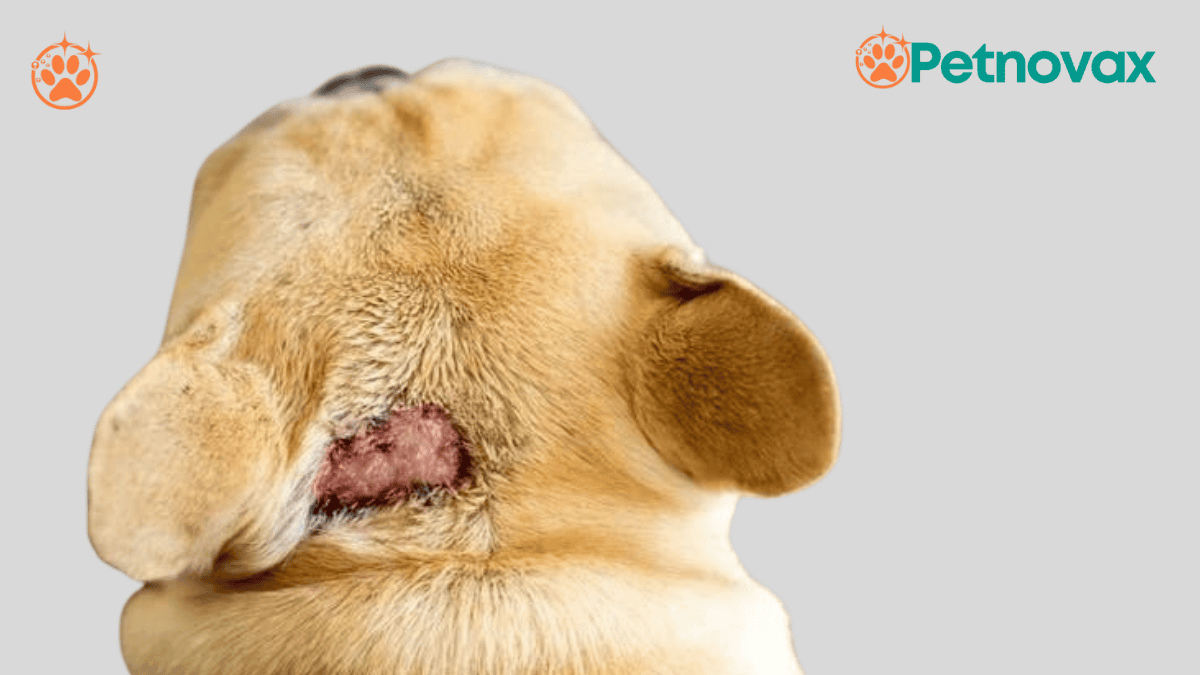
Hot spots on dogs are one of the most common and frustrating skin problems dog owners face. These painful sores require immediate attention to avoid additional pain and problems for your furry pal.
Definition of hot spots (acute moist dermatitis)
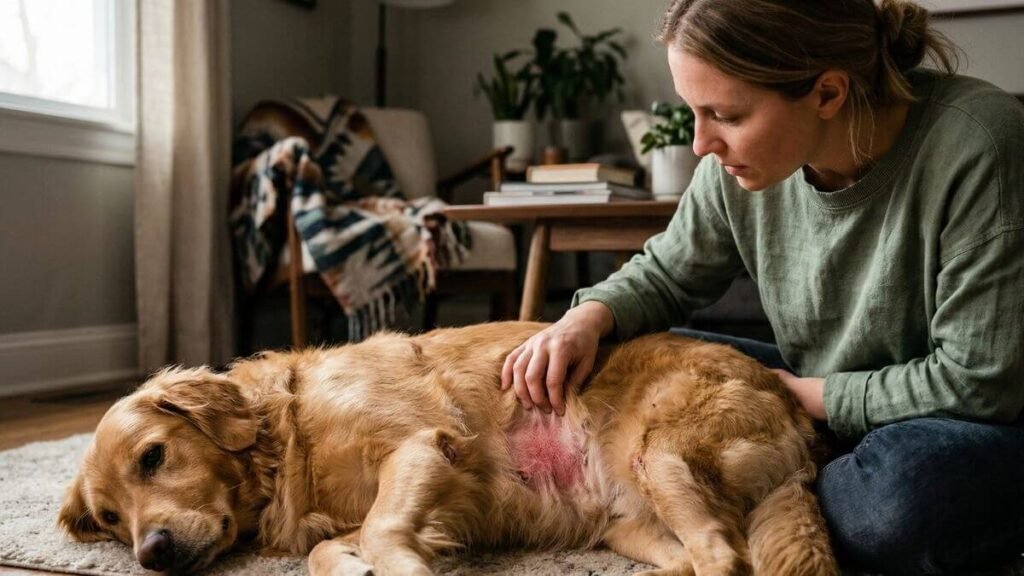
Hot spots, also known as acute moist dermatitis or pyotraumatic dermatitis, are red, irritated lesions on the skin. These wounds are moist and edematous and have a characteristic fetid smell. The infected areas frequently exhibit pus on the surface and the crusting or matting of hair around the margins.
What makes hotspots so frustrating is the itchiness they cause, as your dog just can’t stop scratching and licking at them, intensifying the problem. The lesions are basically bacterial infections that happen after the bacteria we normally all have on our skin start to overgrow because the barrier has been disrupted.
Common locations on the body
Hot spots can develop on any part of your dog’s body, but they are more common in certain areas. The most common locations include
- Head and face area
- Legs and paws
- Hips and hindquarters
- Neck region
- Beneath the ears particularly in dogs with floppy ears
- Groin area
- Base of the tail
Breeds of dogs with a heavy or double coat, like golden retrievers, German shepherds, and Newfoundlands, are more likely to develop these painful lesions. Furthermore, dogs with long floppy ears or anything more than a moderately hairy coat are more prone to this problem.
Why they develop quickly
One potentially devastating aspect of hot spots is that they can form rapidly. A minor itch can transform into a severe sore within a matter of hours. This rapid cycle happens because of a vicious circle:
First, there’s something that causes your dog to scratch, lick, or bite at an area. Maybe he has been bitten by an insect, his skin was irritated a bit, or your dog is allergic to it. When your dog breaks the surface of the skin due to self-trauma, bacteria from its body enter and quickly begin to multiply.
The bacterial overgrowth leads to more inflammation, itching, and discomfort, which prompts your dog to lick and bite even more. Secondly, because their coat is dense and often urine-soaked due to moisture, it creates a perfect environment for bacteria to multiply. This process creates what veterinarians refer to as an itch-scratch cycle; if left untreated, the hot spot will increase in size exponentially.
Most pet owners will tell you it seems hot spots develop overnight, and this is true in many cases. This swift evolution is a lesson on the importance of early detection and timely management.
What Causes Hot Spots on Dogs?
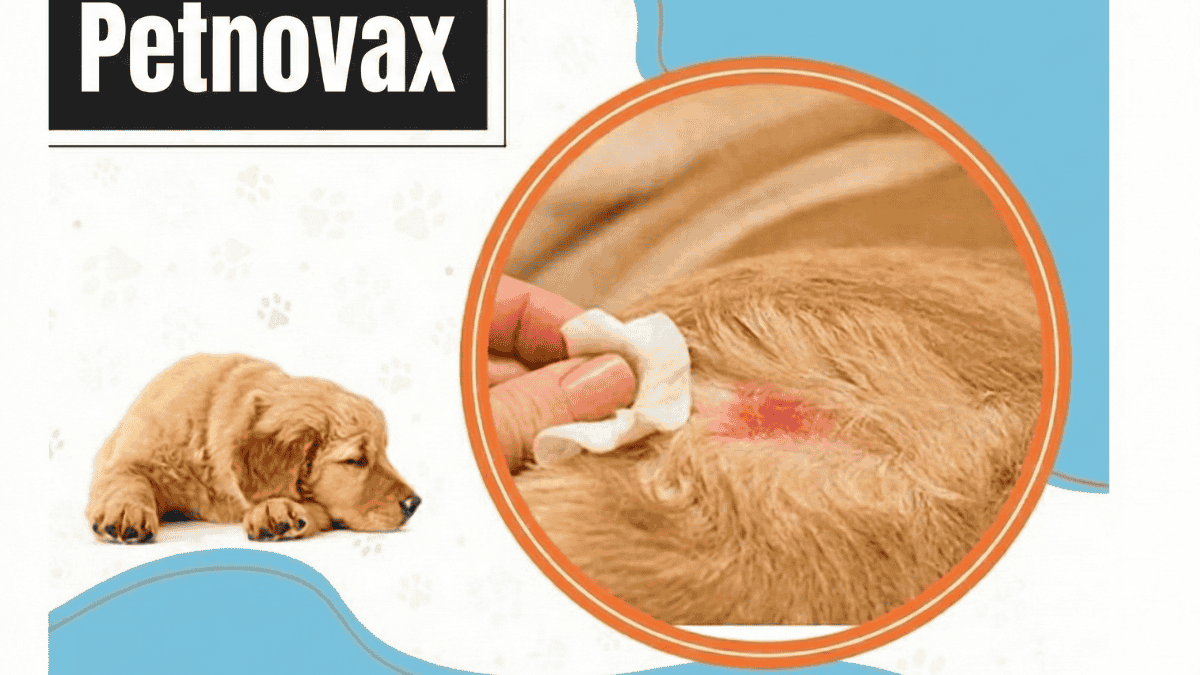
Knowing what causes hot spots on your dog is important for treatment and prevention. Various other factors can trigger the itch-scratch cycle that results in these painful skin sores.
Allergies and skin irritants
The itch-scratch cycle often starts with allergies. Allergic dermatitis is the most prevalent underlying condition in the development of hot spots in dogs. Your dog may get hot spots due to the following reasons:
- Food allergies
- Allergy triggers environmental pollen, mold, dust mites
- Contact irritants
- Reactions to topical substances
To prevent recurring skin problems, it’s important to address allergies in some dogs with chronic hot spots.
Fleas, parasites, and infections
The intense itching caused by parasites causes dogs to scratch excessively, which ultimately tears the skin open. Common culprits include:
- Fleas and flea allergy dermatitis
- Mites (Sarcoptes, Cheyletiella)
- Other insects (caterpillars, bees, wasps and mosquitoes)
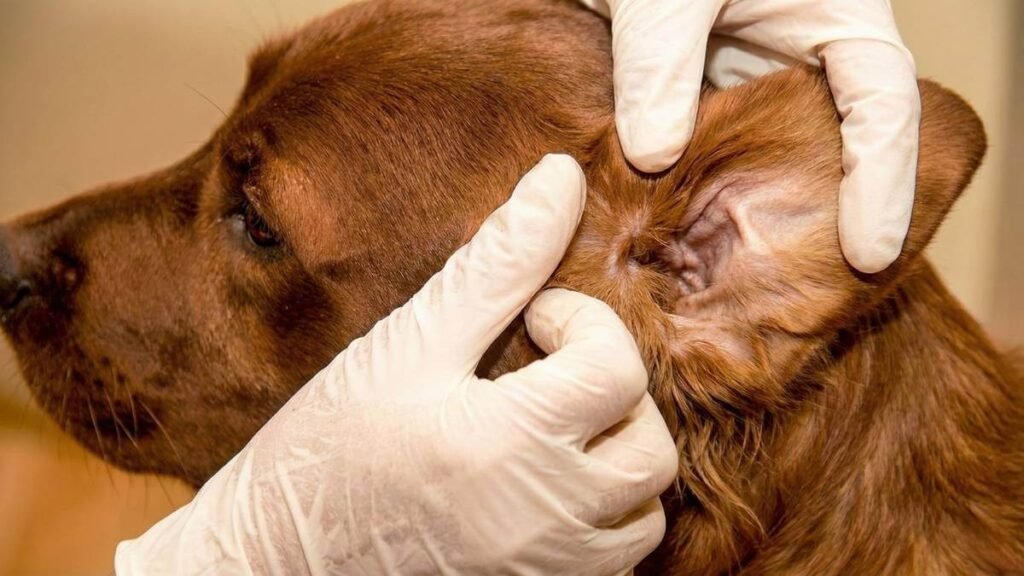
In addition to parasites, infections at other areas on the body can spur hot spot development. Ear infections can be so bothersome that dogs scratch their ears, causing a hot spot on the ear flap, behind the ears, or on the neck. Anal gland inflammation also causes dogs to lick the area around their anus, resulting in hot spots either below or above the tail.
Excessive licking or moisture
Bacteria flourish in the ideal conditions of moisture against the skin. This frequently happens as a result of:
- Swimming or bathing in too much moisture
- High-humidity environments
- Matted fur that retains water
- Poor grooming habits
Behavioral problems also play a role in licking too much. Dogs that are bored, stressed, or anxious may develop habitual licking. Dogs will even lick painful joints in an attempt to relieve the discomfort, leading to hot spots.
Breed predispositions
Hot spots are more likely to affect some breeds than others: Certain dog breeds have an increased likelihood of developing hot spots, mostly due to their coat types:
- Golden Retrievers
- Labrador Retrievers
- German Shepherd Dogs
- Rottweilers
- Saint Bernards
- Newfoundlands
- Collies
- Akitas
Breeds characterized by thick, heavy, or double coats that trap moisture against the skin typically experience this issue. Hot spots are more prevalent in hot, humid weather because the conditions provide a place for bacteria to cultivate on the surface of the skin. In addition, all breeds with drop ears or genetic hairy coats are at higher risk because of poor airflow to these regions.
How to Identify a Hot Spot on Your Dog
Identifying a hot spot sooner rather than later is important for treatment to be successful and for your dog’s comfort. They present several unique characteristics such that you can tell what they are once you know how to spot them.
Visual signs: redness, swelling, discharge
Hot spots start as red, moist, irritated lesions on a dog’s skin. Warm because the area of skin infected with Erythema feels warm to the touch, that’s why they call it). You will see these particular visual clues as the condition becomes more advanced:
- Red and swollen: The bite site will be clearly red and raised.
- Moisture: Hot spots are very moist, sometimes appearing wet and oozing
- Drainage: A lot of hot spots have pus or fluid that forms crust along the borders
- Baldness: In the area infected there is usually patchy baldness
- Variation in size: Hot spots may vary in size from a small red spot to a pancake-sized area.
One worrisome aspect of local or hot spots is that they could expand quickly. A pinpoint area of redness in the morning can spread dramatically by the end of the day. If you get a closer look you will probably find that the hair is matted around the hot spot making it appear smaller than it actually is.
Behavioral signs: licking, scratching, biting
The behavior of your dog provides you with valuable information on how to recognize hot spots. Make a note to pay attention if your dog displays:
- Overlicking or chewing of a specific area
- Continuous picking at one area
- Restlessness or irritability
- Obvious expression of discomfort when the area is palpated
- Head shaking in the area of hot spots, particularly near ears.
These are the actions that cause the lick-itch-lick cycle and make hot spots worse. Whenever your dog repeatedly returns his attention to a single place, it deserves closer scrutiny.
How hot spots differ from other skin issues
Appropriate treatment depends on identification of the hot spot apart from other types of skin problems. Unlike ringworm or mange, which are not transmissible from your dog, hot spots are characterized by a moist, rather than dry, appearance.
- Feel extremely damp rather than dry.
- Please appear promptly rather than gradually.
- Smell funky (as in, have an odor)
- Feeling warm when touched compared to the surrounding skin
- Show a marked increase in size over hours to days
Of course there are plenty of skin conditions that make the skin look red and induce itching. Still, the moist process, sudden appearance and severe self-trauma are generally more hot spot like than anything else.
Hot spots can be caught early with weekly skin checks. Simply lift your dog’s tail and look for inflammation on a weekly basis. If you want to spot-check, part the fur and look in between, because hot spots form under mounds of smelly hiding fur.
Step-by-Step Home Treatment for Hot Spots
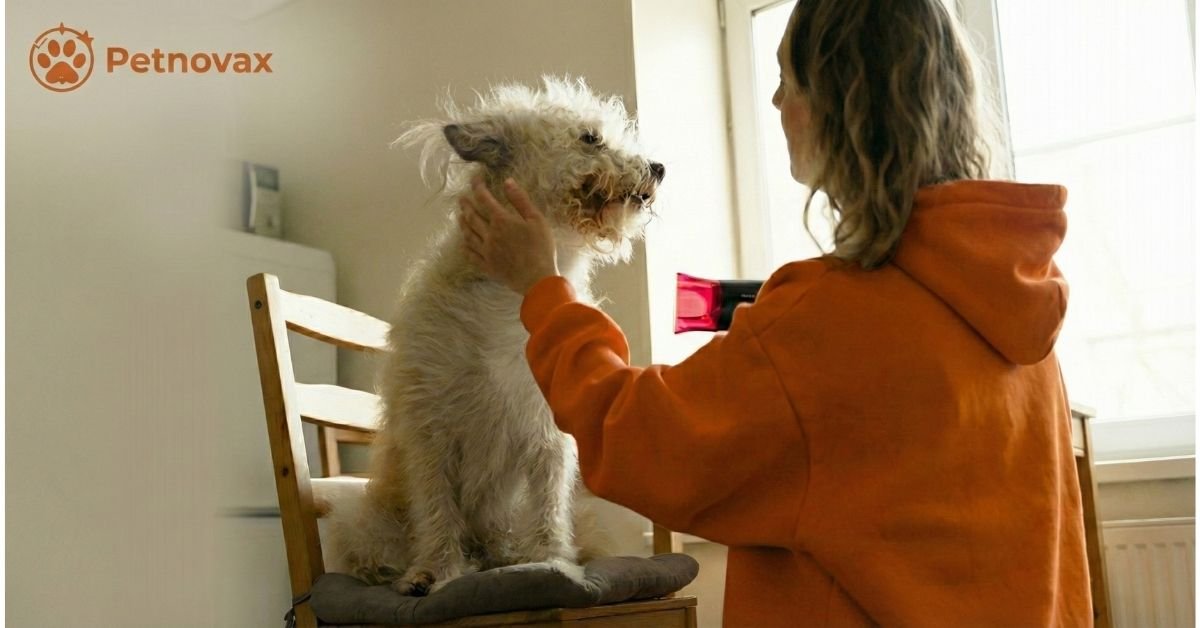
Once a hot spot is identified on your dog, prompt intervention can help prevent its condition from deteriorating. To deal with these painful sores at home, you must be careful and meticulous.
Trim the fur around the hot spot
First, start by trimming any hair around the injury. This vital first step opens up the lesion, allowing the hair to slide out easily and ensure that humidity is not caught by it (which is uses to feed bacteria). Trim with blunt-tipped scissors or clippers so there is a one-inch border of normal skin around the hot spot. Work carefully not to accidentally nick your dog’s skin, as the damage could lead to further infection.
Gently clean the area with antiseptic
After trimming, cleanse your dog’s hot spot with a gentle pet-approved antiseptic solution. Acceptable alternatives are diluted chlorhexidine/povidone-iodine solutions (to weaken the tea color). Dip a clean cotton ball or gauze pad into the solution, and apply it to the damaged skin. Do not scrub, as the solution can compound any pain and irritation. Wash off with cool, tepid water. Rinse well in clear lukewarm water and pat dry.
Apply a vet-approved topical treatment
If it’s cleaned and dried, then you can put just a little bit of vet-recommended topical medication on there. Appropriate options include:
- Soothing relief: Hydrocortisone sprays (0.5-1%) to help ease inflammation
- Antimicrobial ointments to combat infection
- Special hot spot treatments with calming ingredients
Please remember that excessive application can be as detrimental or even more so than not applying any at all, as it can inhibit the drying of the knee.
Use a recovery cone to prevent licking
Hot Spot Treatment: How to Treat Your Dog’s Hot Spots Maybe the most important aspect of hot spot treatment is keeping your dog from making them worse and continuing to scratch. An Elizabethan collar (E-collar) or cone of shame will prevent your dog from licking or scratching the hot spot. Even if your dog will continue to try and shake the thing off at first, he needs to keep wearing the cone regularly until the area is properly healed.
Monitor for signs of healing
Look for signs of improvement throughout treatment:
- Decreased redness and swelling
- Drying of the affected area
- Shrinking of the lesion
- Formation of a light scab
- Diminished discomfort
If the hot spot does not improve within 48 hours, gets bigger despite treatment, or your dog develops a fever or lethargy, consult a veterinarian right away. These signs
Common Mistakes to Avoid (What Not To Do)
Even with the most earnest efforts, a lot of common hot spot remedies can potentially make your dog’s problem worse. Knowing what you should not do is as important as knowing what you should.
Avoid human creams like Vaseline or Neosporin
Under no circumstances should you put human medications, such as Neosporin or Vaseline, on your dog hot spots, and even something only applied to humans, like hydrocortisone, gets the hearty thumbs down. Though these may be effective on human wounds, they are typically petroleum-based and trap moisture. Hot spots require air to dry out and heal, so if you cover them with thick, greasy salves, it traps the bacteria there and causes them to spread deeper.
Furthermore, watch out for bath-time cleaning products. You may also ask, can I use human shampoo on my dog to wash the region? The answer is no! Human shampoos have a different pH than a dog’s skin and strong chemicals that will burn the raw skin and make the sore worse. Stick with vet-approved sprays and medicated shampoos formulated for dog skin instead.
Never bandage a hot spot (It needs air)
“BANDAGE THY WOUNDS: It seems like a sensible approach, as it’s important to stop the bleeding, correct? Hot spots need to dry out completely in order to heal properly.
Bandaging creates several problems:
- Traps moisture against the skin
- Provides an ideal environment for bacteria to grow
- Inhibits the necessary circulation of air for healing
- Seals pus and drainage in wanting to escape
Instead, clean the wound and then apply a salve and let the skin breathe. The hot spot dries out and heals more rapidly being exposed to the air.
Do not use Hydrogen Peroxide (It damages skin)
While hydrogen peroxide may be a staple of the antiseptic variety in your household, it is not for treating hot spots on your dog. An impressive bubble-maker and bacteria killer, hydrogen peroxide is also
- Destroys healthy cells that are healing the wound
- Kills the fibroblast cells needed to heal wounds
- Very much slows down natural healing
- Causes unnecessary pain and irritation
- Creates additional skin inflammation
Veterinarians advise against using hydrogen peroxide for any pet wound care, including hot spots. Instead, use dog-safe antiseptic solutions, such as diluted chlorhexidine that your vet could suggest.
In fact, many home hot spot treatments can be harmful without the right guidance. Other things to steer clear of would be alcohol, strong disinfectants, human shampoos, anything herbal or willow bark products, and soaps unless your vet advised it.
How to Prevent Hot Spots on Dogs
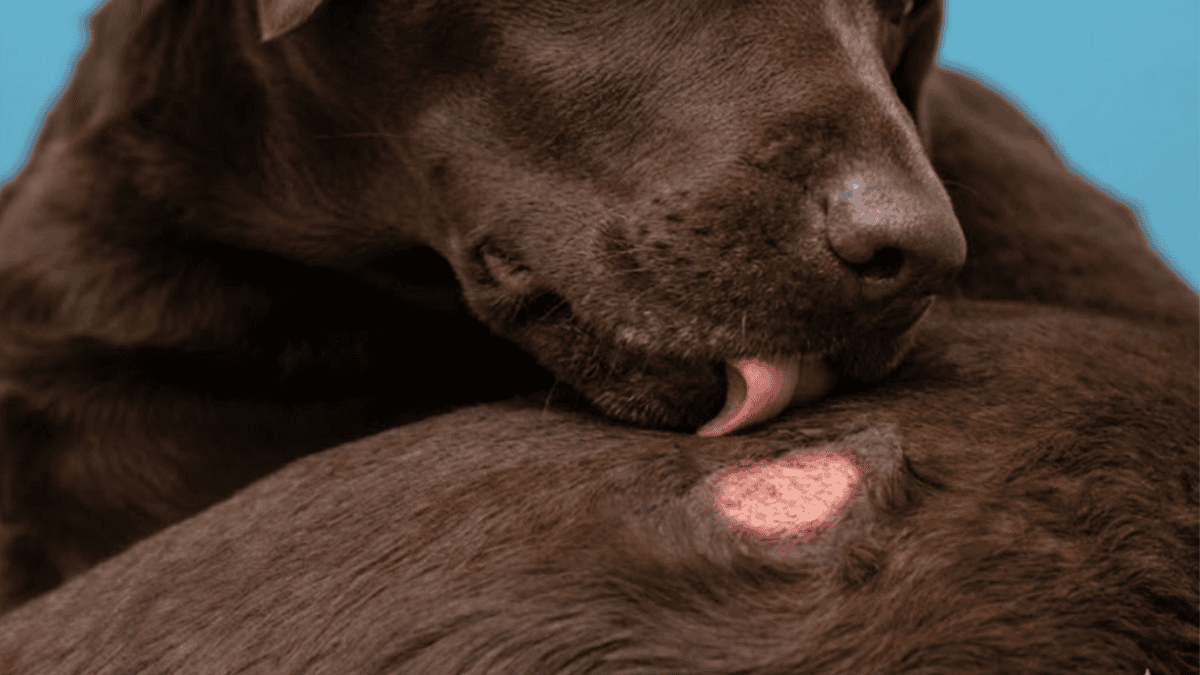
When it comes to preventing hot spots, it’s crucial to act before the root cause manifests and leads to skin problems.
Grooming and hygiene tips
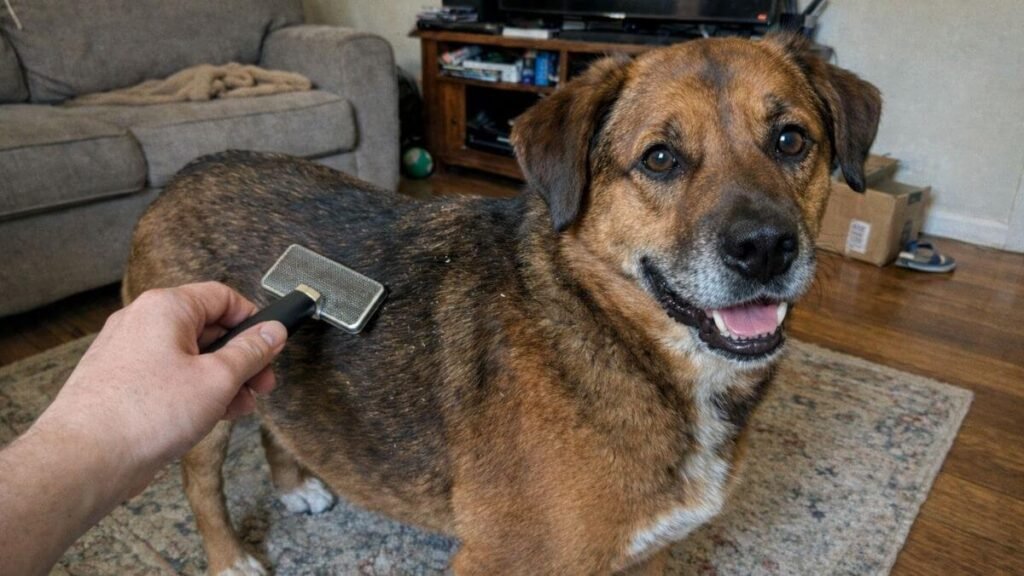
Frequent brushing ensures your dog’s coat remains mat-free, which in turn locks away moisture. If your dog swims frequently, be sure to dry his coat fully after bathing, particularly in parts of his body where water tends to accumulate: the neck, armpits, and base of the tail. As with long-haired breeds, such seasonal grooming can help minimize the risk, especially in warm season months.
Managing allergies and parasites
Effectively, this represents the most efficacious remedy for hot spots.
Ensure that your dog is current with the flea and heartworm preventatives recommended by your veterinarian, and eliminate any potential food sensitivities by adjusting the diet accordingly. Your animals should get regular vet checkups to catch potential health problems before they become serious. Good parasite prevention
Reducing stress and boredom
Licking A dog that licks excessively is usually a bored dog. Physical Activity Increasing daily physical exercise and providing active play will help your dog burn off excess energy. Puzzle toys or slow-feed bowls are also excellent brain games to ensure your pet is getting mental exercise and stimulation, even if you’re not around, the researcher explains. This added exercise decreases licking and promotes overall positive health.
Using supplements like omega-3 checkups
Omega-3s are essential for radiant skin. These nutrients are incorporated into the membranes of skin cells, which enhances barrier function and increases water-holding capacity. DHA- and EPA-enriched fish oil supplements have both anti-inflammatory functions and are skin friendly. With adequate supplementation, many dogs experience a decrease in itching and their coats become softer and shinier in just a matter of weeks, or even sooner.
Frequently Asked Questions?
How do you treat a hot spot on a dog?
Trim the fur around a hot spot to allow skin to breathe and aid in healing. Wash the area gently with a gentle antiseptic (like chlorhexidine) and pat dry. A vet-approved topical spray or cream can help. Most important of all, prevent your dog from licking the wound with a cone (E-collar) because licking keeps it moist and slows healing.
What can you put on a dog for a hot spot?
You can try veterinary-strength hydrocortisone sprays, chlorhexidine solutions, or hot spot relief foams that are available at pet stores. Natural remedies like diluted apple cider vinegar or aloe can help, but medicated treatments are more effective when it comes to bacteria.
Will Benadryl help a dog's hot spot?
Yes, Benadryl (diphenhydramine) is effective, but it is used to alleviate the itching caused by hot spots, especially when allergy plays a role. But make sure you speak with your vet for the recommended dosage so you can give it to your dog according to its weight.
Can I put Neosporin on my dog hot spot?
Neosporin is typically safe to use on cuts on dogs, but not the best choice for hot spots. Baser said bacteria love cream-based ointments which may trap moisture. And if your dog licks the Neosporin off, it may cause an upset stomach. Bc your dog has hot spots it would be more beneficial to use a product designed for canine hot spots.
How to make hot spot heal faster?
The quickest way to help a hot spot heal is said to be keeping the area clean and meticulously dry. If you shave the hair off around the place, you will get better ventilation. And most important of all, keep on one of those cone things 24/7 to stop him from licking. A dog can set back days of healing in only a few minutes without wearing the cone.
What is the best shampoo for hot spots?
For hot spots, medicated shampoos with chlorhexidine and ketoconazole are effective. These agents combat bacteria and yeast. Infection aside, colloidal oatmeal shampoos are also great for calming skin and itching.
What causes hot spots with dogs?
Hot spots pyoderma or acute moist dermatitis: Anything that incites intense itching and scratching may lead to hot spots. Some common causes are flea bites, food allergies, environmental allergies (pollen/grass), ear infections, matted hair (poor grooming), or insect bites. The damage from the dog chewing the area is what causes the infection.
Do hot spots spread on dogs?
Yes, hot spots do spread quickly on a dog’s body. The small red patch can become a big, painful, weeping sore in a few hours if the dog continues licking, chewing, or scratching at the site. This bacterium can travel fairly rapidly over the moist skin.
Can dog food allergies cause hot spots?
Yes, the food allergies are a super common cause. If a dog is allergic to a certain protein (say, chicken or beef) or grain, it can cause them to have an itch. It is this scratching that causes the initial open sore, which becomes a hot spot.
What is the 7-second rule for dogs?
The 7-Second Rule is typically for pavement safety: Put the back of your hand on the pavement for 7 seconds. If it’s too hot for your hand, it’s too hot for your dog’s feet. Though not a straightforward definition of hot spot, when it’s not adhered to, their paws burn from the pavement, and dogs often continue licking them vigorously: this may create hot spots and infections on dogs’ paws.
How long do hot spots last on a dog?
Given appropriate treatment (cleaning and medication to stop the itching), a hot spot will generally dry up within 3 to 7 days. It can take 2-4 weeks for the fur to fill out. If left untreated, it can linger for weeks and get worse.
How can I prevent my dog from getting hot spots?
Preventive entails going to the source. Continue the same flea control, and make sure your dog is thoroughly dried after swimming or bathing from here on out; groom it all over periodically to prevent matting, and manage any known allergies. They may enhance skin health by applying omega-3 fatty acids to their diet.
Do you need to see a vet for a hot spot?
Often, you can treat small, mild spots yourself, especially if you catch them early. If the spot is large, painful, or doesn’t improve after 24 hours of at-home treatment, or if the hot spots recur, see a vet.
Conclusion
Hot spots can create problems very fast, so early discovery and prompt treatment are important. You can reduce the risk significantly by keeping up with regular grooming and controlling allergies or parasites. If a hot spot does arise, we recommend you immediately treat it at home. But if the wound isn’t getting better within 48 hours, call your vet to keep your four-legged friend healthy and happy