
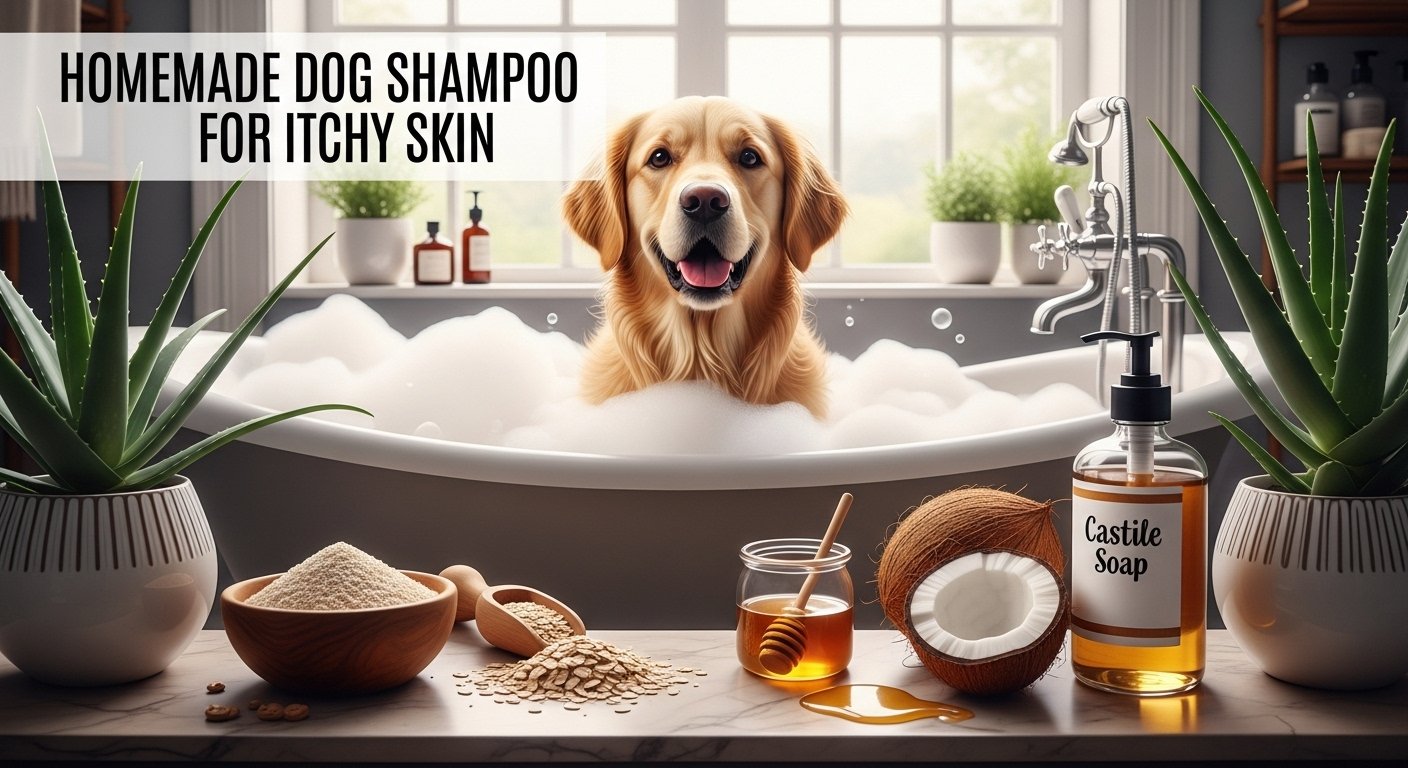
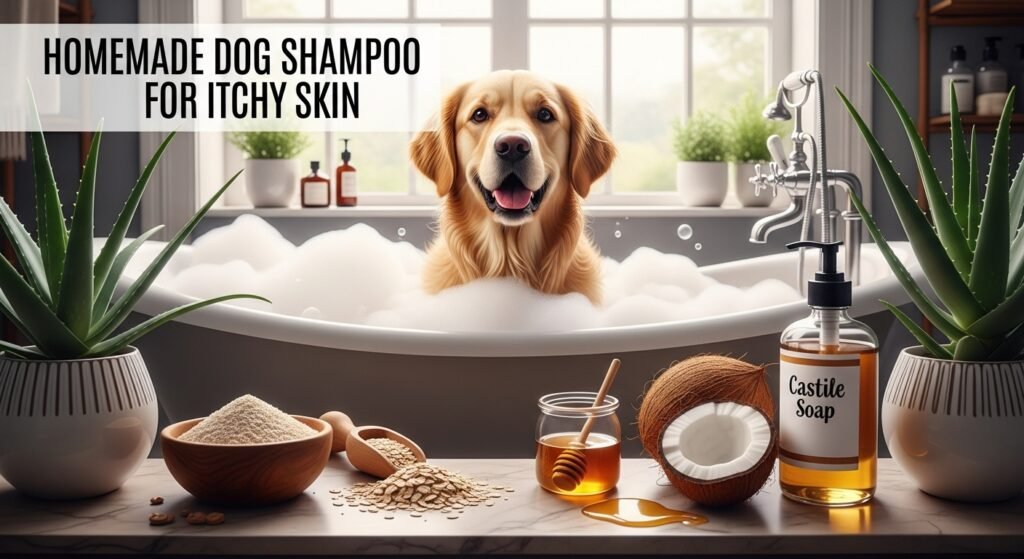
Is your furry friend constantly scratching, licking, or showing signs of skin irritation? Making homemade dog shampoo for itchy skin can provide gentle, natural relief without the harsh chemicals found in many commercial products.
This guide is perfect for dog owners dealing with pets who suffer from allergies, dry skin, or frequent scratching episodes. You want to help your beloved companion feel comfortable again while knowing exactly what ingredients touch their sensitive skin.
We’ll walk you through the most effective natural dog shampoo recipe options, including time-tested oatmeal dog shampoo recipe variations that calm inflammation. You’ll also learn the proper application techniques to maximize your DIY dog shampoo for allergies, plus important safety tips to keep your pup healthy during treatment.
Ready to give your dog the soothing relief they deserve? Let’s dive into these proven home remedies that can transform bath time into healing time.
Understanding Your Dog's Itchy Skin Condition
Identifying Common Causes of Canine Skin Irritation
Dogs experience itchy skin for various reasons, and pinpointing the root cause helps you choose the most effective homemade dog shampoo for itchy skin. Environmental allergens top the list of culprits, including pollen, dust mites, and grass that trigger seasonal flare-ups. Food allergies also play a significant role, with common triggers like chicken, beef, wheat, and soy causing persistent scratching.
Parasites such as fleas, ticks, and mites create intense discomfort that leaves dogs scratching frantically. Bacterial and fungal infections thrive in warm, moist areas like skin folds and between toes. Contact dermatitis occurs when your dog’s skin reacts to harsh chemicals in commercial shampoos, cleaning products, or certain fabrics.
Dry skin conditions worsen during winter months or in low-humidity environments. Some breeds are genetically predisposed to skin issues, including Golden Retrievers, German Shepherds, and Bulldogs. Hormonal imbalances, stress, and poor nutrition can also manifest as skin problems requiring dog itchy skin relief.
Recognizing Symptoms That Require Homemade Solutions
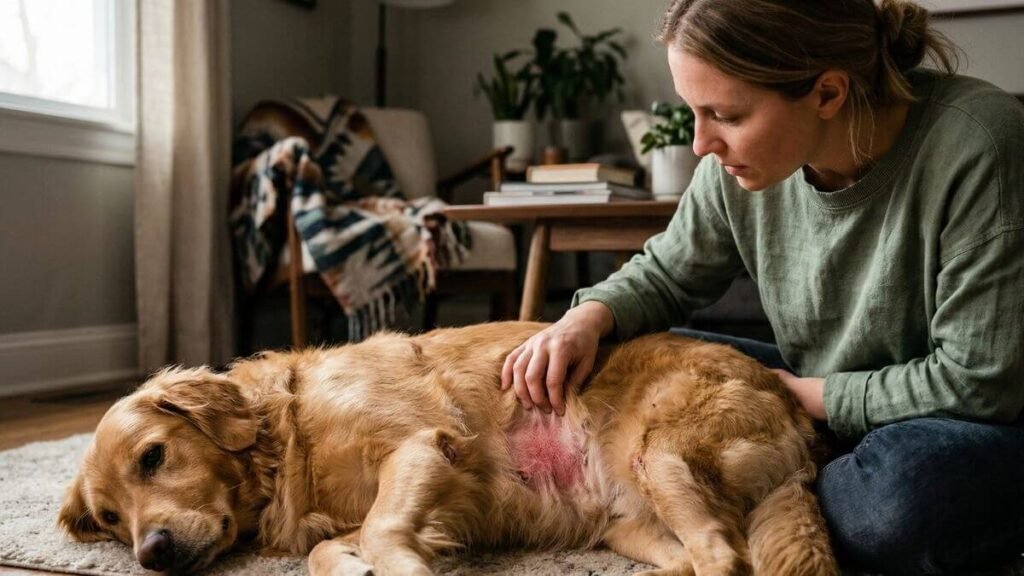
Watch for telltale signs that indicate your dog would benefit from a gentle, natural dog shampoo recipe. Excessive scratching, licking, or chewing at specific areas signals skin irritation. Red, inflamed patches
or hot spots that appear suddenly need immediate attention with soothing treatments.
Flaky, dry skin that resembles dandruff responds well to moisturizing homemade formulas. Bad odors emanating from your dog’s coat often indicate bacterial overgrowth that commercial shampoos might exacerbate. Hair loss in circular patterns or thinning fur around frequently scratched areas suggests the need for gentler cleansing methods.
Look for behavioral changes like restlessness, decreased appetite, or reluctance to be touched in certain areas. These signs often accompany skin discomfort that harsh commercial products can worsen. DIY dog shampoo for allergies proves especially helpful when symptoms appear cyclically or worsen after using store-bought products.
Determining When to Consult a Veterinarian
While soothing dog shampoo homemade recipes address many skin issues, certain situations require professional intervention. Deep wounds, open sores, or bleeding areas need immediate veterinary care before attempting any home treatments. Persistent symptoms lasting more than two weeks despite consistent care warrant professional diagnosis.
Sudden onset of severe symptoms like widespread rashes, intense swelling, or difficulty breathing indicates serious allergic reactions requiring emergency treatment. If your dog develops fever alongside skin symptoms, bacterial infections might need prescription antibiotics.
Signs of pain when touching affected areas, loss of appetite lasting more than 24 hours, or lethargy combined with skin issues suggest systemic problems. Recurring infections that improve temporarily but return repeatedly need professional evaluation to identify underlying causes that home remedies can’t address.
Assessing Your Dog's Skin Sensitivity Level
Understanding your dog’s unique sensitivity helps you select appropriate ingredients for dog skin irritation home remedy solutions. Start by examining your pet’s current reaction to touch – does light pressure cause discomfort or withdrawal? Highly sensitive dogs benefit from ultra-gentle formulas with minimal ingredients.
Consider your dog’s bathing history and previous reactions to grooming products. Dogs with no prior sensitivities can typically handle more diverse ingredient combinations, while those with documented allergies need carefully selected components. Age plays a role too – puppies and senior dogs often have more delicate skin requiring extra gentle care.
Test small areas first before full-body application of any homemade formula. Apply a small amount to a less sensitive area like the back leg and wait 24 hours for reactions. This patch test prevents widespread irritation and helps you gauge your dog’s tolerance level for specific ingredients you plan to include in your dog’s natural dermatitis treatment approach.
Essential Ingredients for Soothing Homemade Dog Shampoo
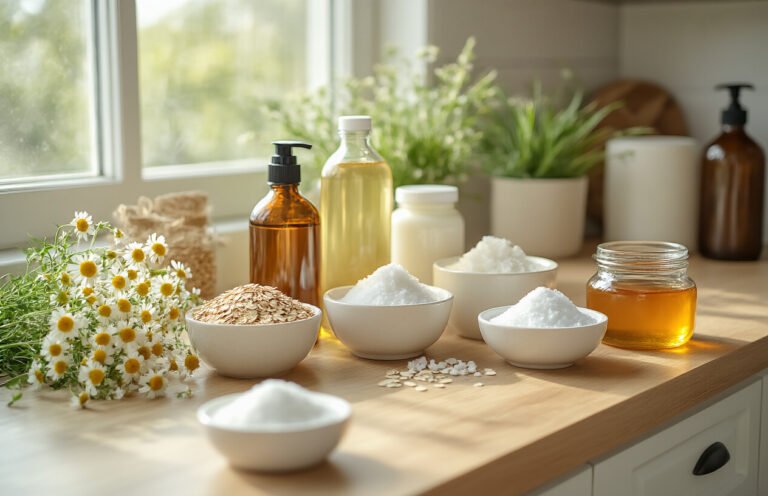
Natural anti-inflammatory ingredients that calm irritated skin
Oatmeal stands as the gold standard for homemade dog shampoo for itchy skin. This powerhouse ingredient contains compounds called avenanthramides that naturally reduce inflammation and soothe angry, red skin. Colloidal oatmeal works particularly well because it forms a protective barrier on your dog’s skin while delivering anti-inflammatory benefits. Simply grind plain oats into a fine powder using a blender or food processor.
Aloe vera gel brings cooling relief to hot, inflamed areas. Choose pure, organic aloe vera without added fragrances or alcohol. This succulent’s natural properties help reduce swelling and provide immediate comfort to irritated skin patches.
Chamomile tea offers gentle anti-inflammatory action perfect for sensitive dogs. Brew strong chamomile tea, let it cool completely, and incorporate it into your natural dog shampoo recipe. The herb’s calming properties work both on the skin and can have a relaxing effect on anxious pets.
Baking soda neutralizes skin pH and reduces itching caused by bacterial overgrowth. Use sparingly, about one tablespoon per cup of shampoo base, as too much can dry out the skin.
Moisturizing agents that restore skin barrier function
Coconut oil delivers deep moisturizing benefits while offering antimicrobial properties. Its lauric acid content helps fight bacteria and yeast that often complicate skin conditions. Use melted, unrefined coconut oil for maximum effectiveness in your DIY dog shampoo for allergies.
Glycerin attracts moisture from the air and locks it into your dog’s skin. This humectant prevents the dry, flaky skin that often follows traditional shampoo use. Choose vegetable-based glycerin and use about one teaspoon per cup of shampoo.
Honey provides natural moisturizing while offering antibacterial benefits. Raw, unprocessed honey works best for dog skin irritation home remedy applications. Its enzymes help heal minor wounds and scratches that result from excessive scratching.
Sweet almond oil penetrates deeply without leaving a greasy residue. Rich in vitamin E, it helps repair damaged skin barriers and provides long-lasting moisture.
Gentle cleansing components safe for sensitive skin
Castile soap forms the perfect base for soothing homemade dog shampoo recipes. Made from plant oils, it cleanses effectively without harsh chemicals that strip natural oils. Choose unscented varieties to avoid potential allergens.
Apple cider vinegar balances skin pH while providing gentle cleansing action. Dilute it properly; use only one part vinegar to four parts water to prevent irritation. ACV also helps remove soap residue that can cause additional itching.
Mild baby shampoo can serve as a gentle base when you need something readily available. Look for tear-free formulas without fragrances or dyes. While not ideal long-term, it works for emergency situations involving anti-itch dog shampoo recipes.
Cornstarch acts as a natural thickener while absorbing excess oils. It helps create the right consistency for your homemade shampoo without adding harsh chemicals.
Ingredient | Primary Benefit | Usage Amount | Special Notes |
Oatmeal | Anti-inflammatory | 1/4 cup ground | Must be finely ground |
Coconut Oil | Moisturizing | 1-2 tablespoons | Melt before mixing |
Castile Soap | Gentle cleansing | 1/2 cup | Choose unscented |
Aloe Vera | Cooling relief | 2-3 tablespoons | Pure gel only |
These homemade dog shampoo ingredients work synergistically to address multiple aspects of itchy skin conditions. The anti-inflammatory components reduce immediate discomfort, moisturizers repair damaged skin barriers, and gentle cleansers remove irritants without causing additional problems.
Proven Homemade Dog Shampoo Recipes for Itchy Skin Relief
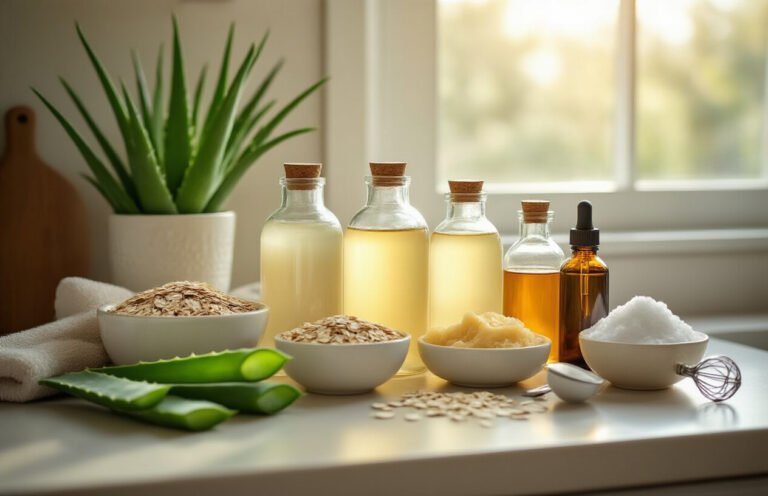
Oatmeal and Honey Formula for Dry, Flaky Skin
This homemade dog shampoo for itchy skin combines two powerhouse ingredients that have been soothing irritated skin for centuries. Start with 1 cup of finely ground oatmeal (you can grind regular oats in a food processor), 2 tablespoons of raw honey, and 1 cup of warm water. The oatmeal acts as a natural anti-inflammatory agent while creating a protective barrier on your dog’s skin. Honey brings antibacterial properties and deep moisturizing benefits that combat dryness.
Mix the ground oatmeal with warm water first, creating a smooth paste. Add the honey and stir until completely dissolved. This gentle formula works particularly well for dogs with seasonal allergies or those suffering from chronic dry skin conditions. The natural saponins in oatmeal provide mild cleansing action without stripping essential oils from your pet’s coat.
Aloe Vera and Coconut Oil Blend for Inflamed Areas
When your dog’s skin shows signs of redness or inflammation, this cooling blend provides immediate relief. Combine 1/2 cup of pure aloe vera gel (ensure it’s xylitol-free), 2 tablespoons of melted coconut oil, and 1 cup of distilled water. Aloe vera contains compounds that reduce inflammation and promote healing, while coconut oil offers antimicrobial benefits and creates a protective moisture barrier.
This natural dog shampoo recipe works exceptionally well for hot spots, minor cuts, or areas where your dog has been scratching excessively. The coconut oil may solidify when cooled, so gently warm the mixture before each use. Apply this blend to affected areas and let it sit for 5-10 minutes before rinsing thoroughly.
Gentle Castile Soap and Glycerin Wash for Safe Cleansing
Dr. Bronner’s unscented castile soap serves as the foundation for this ultra-gentle cleansing formula. Mix 1/4 cup of liquid castile soap, 1 tablespoon of vegetable glycerin, and 2 cups of warm water. Castile soap is plant-based and free from harsh chemicals that often trigger skin reactions in sensitive dogs.
Glycerin acts as a humectant, drawing moisture from the air to keep your dog’s skin hydrated during and after the bath. This combination creates a mild lather that effectively removes dirt and allergens without causing additional irritation. Many commercial treatments for natural dog dermatitis contain similar ingredients but at a fraction of the cost.
Plain Colloidal Oatmeal Soak for Immediate, Simple Relief
Sometimes the simplest solutions work best. Colloidal oatmeal is finely ground oat flour that dissolves completely in water, creating a milky, soothing bath. Add 1 cup of colloidal oatmeal to lukewarm bathwater and let your dog soak for 10-15 minutes.
This itchy skin relief method requires no mixing or preparation beyond adding the oatmeal to water. The proteins and compounds in oats naturally calm irritated skin while providing gentle moisturizing. You can find colloidal oatmeal at most health stores or create your own by grinding oats in a coffee grinder until they form a fine powder that dissolves easily in water.
Chamomile Tea Rinse for Calming Inflammation
Brew a strong chamomile tea using 4-6 tea bags in 2 cups of hot water. Allow it to cool completely before use. Chamomile contains natural anti-inflammatory compounds that help reduce redness and soothe irritated skin. This rinse works particularly well as a final step after shampooing with any of the above recipes.
Pour the cooled tea over your dog’s coat, working it through the fur to reach the skin. Don’t rinse it out; let the chamomile continue working as your dog’s coat dries. This gentle, soothing, homemade dog shampoo addition can be used daily if needed and provides ongoing relief between full baths.
Step-by-Step Application Techniques for Maximum Relief
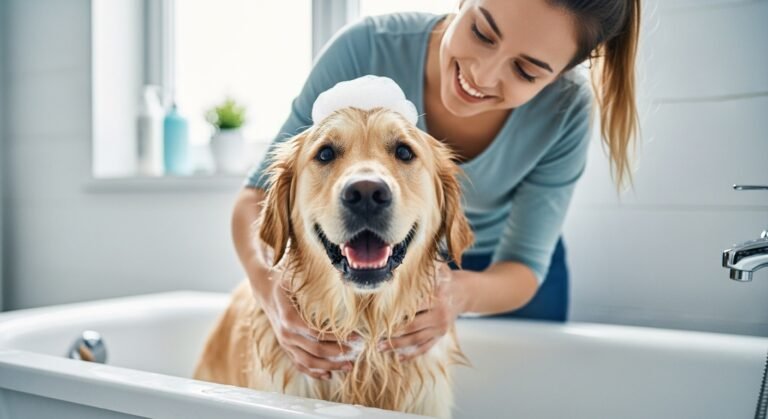
Pre-bath preparation methods that enhance effectiveness
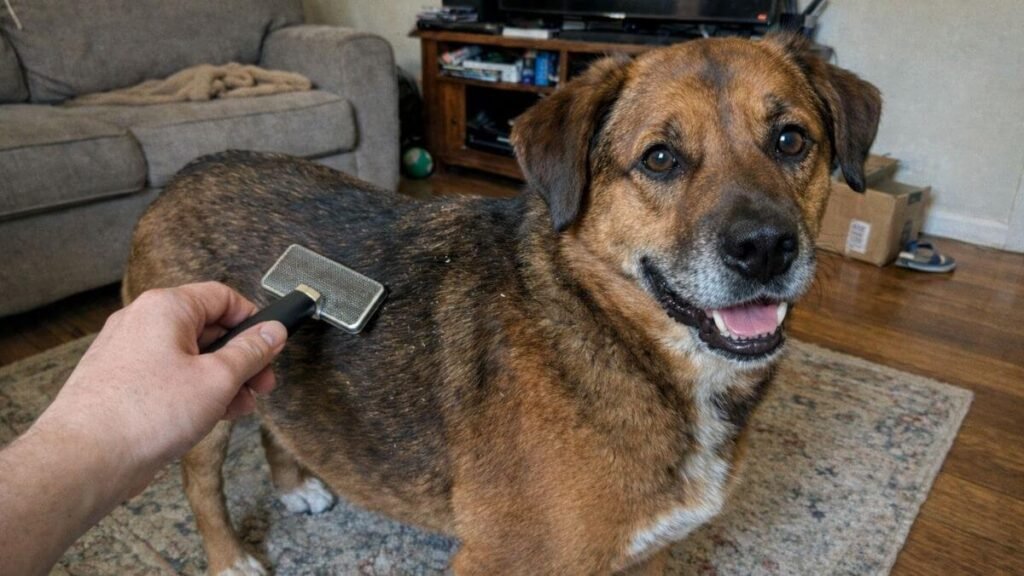
Getting your dog ready for a therapeutic bath sets the stage for maximum dog itchy skin relief. Start by brushing your dog’s coat thoroughly to remove loose fur, debris, and matted areas that could trap your homemade dog shampoo for itchy skin. This straightforward step enables the soothing ingredients to reach the skin’s most sensitive areas directly.
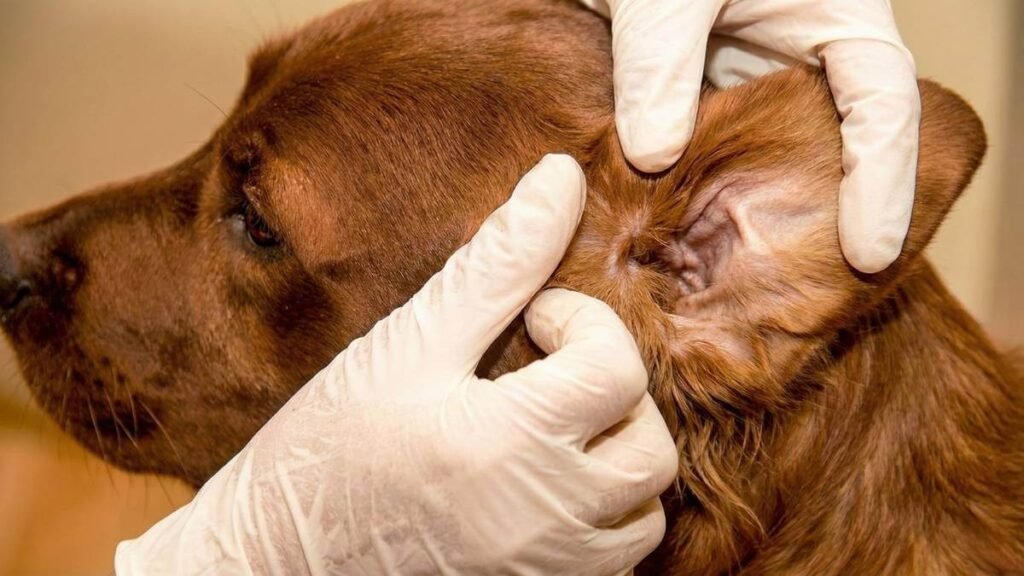
Check your dog’s skin for any open wounds, cuts, or severely irritated areas before applying the shampoo. If you find any concerning spots, consult your veterinarian before proceeding. Gather all your supplies—towels, the prepared shampoo, and a non slip mat for the tub to avoid leaving your wet dog unattended during the process.
Consider applying a thin layer of petroleum jelly around your dog’s eyes and inside their ears to prevent irritation from soap and water. This protective barrier keeps sensitive areas safe while you focus on treating the itchy skin.
Proper water temperature and bathing duration guidelines
Water temperature plays a crucial role in your DIY dog shampoo for allergies’ effectiveness. Lukewarm water, similar to what you’d use for a baby’s bath, works best for dogs with sensitive, itchy skin. Hot water can worsen inflammation and strip natural oils, while cold water won’t activate the beneficial properties of ingredients like oatmeal in your natural dog shampoo recipe.
Test the water temperature with your elbow or a thermometer; it should feel neutral, not warm or cool. The ideal range sits between 98 and 102°F (37-39°C). Dogs with severe dermatitis benefit from slightly cooler water to reduce inflammation.
Plan for a 10- to 15- minute bathing session. This timeframe allows your soothing homemade dog shampoo mixture to work without over-drying the skin. Dogs with extremely sensitive skin should limit bathing to 5–10 minutes to prevent further irritation.
For a complete breakdown of the entire process, including safe drying techniques, follow our How to Bathe a Dog with Itchy Skin: Gentle Step-by-Step Guide.
Massage techniques that distribute shampoo evenly
Proper massage technique transforms your homemade dog shampoo ingredients from a simple wash into a therapeutic treatment. Start at your dog’s neck and work systematically toward the tail, using gentle circular motions with your fingertips, never your nails.
Apply the shampoo in sections, focusing extra attention on problem areas like the belly, armpits, and between toes, where allergens often collect. Use firm but gentle pressure, similar to how you’d massage your scalp. This technique stimulates blood circulation, helping the anti-inflammatory properties of your oatmeal dog shampoo recipe reach deeper layers of skin.
Work the lather down to the skin level, not just on the surface of the fur. Many pet owners make the mistake of only washing the outer coat, leaving the irritated skin underneath untreated. Spend extra time on the areas where your dog frequently scratches or licks, as these spots require the most attention for treating your dog’s dermatitis naturally.
Thorough rinsing procedures to prevent residue buildup
Rinsing might be the most critical step in your routine for making anti-itch dog shampoo. In fact, leftover soap residue can exacerbate itching and lead to new skin issues. Plan to spend twice as long rinsing as you did washing; if you shampooed for 5 minutes, rinse for at least 10 minutes.
Start rinsing from the head down, keeping water flow gentle but thorough. Use your hands to separate the fur and ensure water reaches all the way to the skin. Pay special attention to areas where soap tends to hide: under the legs, around the collar area, and in skin folds.
The water should run completely clear before you stop rinsing. If you see any bubbles or feel slippery residue when running your hands through the coat, continue rinsing. Leftover ingredients from even the gentlest home remedy for dog skin irritation can cause contact dermatitis if not properly removed.
After the final rinse, gently squeeze excess water from your dog’s coat before towel drying. Pat rather than rub with the towel to avoid irritating freshly cleansed skin.
Safety Precautions and Potential Side Effects to Avoid
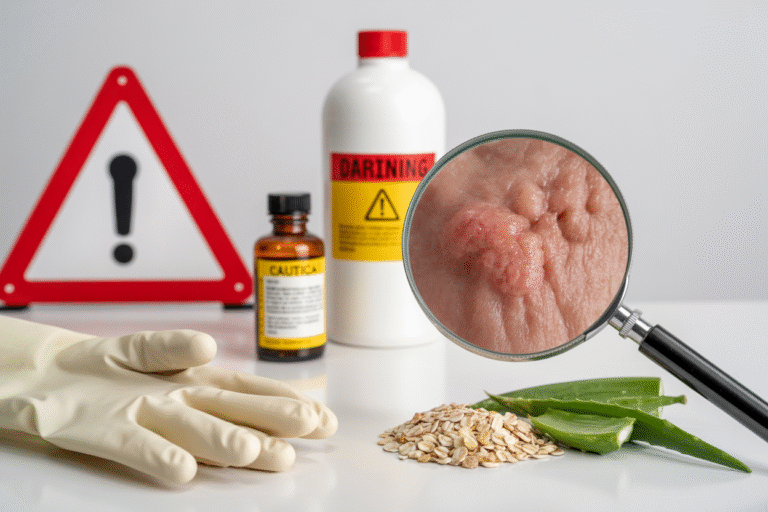
A Note from Your Groomer (Emily Nova): Why We NEVER Use Baking Soda or Tea Tree Oil
Professional groomers see the aftermath of well-intentioned DIY mistakes every day. When making homemade dog shampoo for itchy skin, baking soda is one of the worst culprits. Despite countless online recipes promoting it, baking soda’s high alkaline pH (around 9) disrupts your dog’s natural skin barrier, which sits at a healthy 6.2-7.4 pH level. This disruption actually worsens existing skin irritation and creates new problems.
Tea tree oil presents an even more dangerous situation. While humans can tolerate diluted tea tree oil, dogs process essential oils differently through their liver. Even small concentrations can cause tremors, weakness, and coordination problems. The risk simply isn’t worth any potential anti-itch dog shampoo benefits.
Many dog owners also reach for human products like dish soap or baby shampoo, thinking gentleness translates across species. Human skin pH runs much more acidic than canine skin, making these products inappropriate for regular use on your furry friend.
Ingredients that are Toxic or Harmful to Dogs
Creating safe homemade dog shampoo ingredients requires avoiding several common household items that appear in many DIY recipes but pose serious health risks.
Essential Oils to Completely Avoid:
- Tea tree oil (melaleuca)
- Eucalyptus oil
- Peppermint oil
- Citrus oils (lemon, orange, grapefruit)
- Cinnamon oil
- Clove oil
Problematic Household Items:
- Baking soda (disrupts pH balance)
- White vinegar in high concentrations
- Human shampoos and soaps
- Dish detergent
- Hydrogen peroxide
- Rubbing alcohol
- Hidden Dangers:
Some ingredients appear safe but become problematic in certain combinations or concentrations. Coconut oil, while generally safe, can clog pores if used excessively. Even oatmeal dog shampoo recipes can backfire if you use flavored or processed oats containing artificial additives.
Always research each ingredient thoroughly before mixing your natural dog shampoo recipe. When in doubt, stick to veterinarian-recommended ingredients like plain oatmeal, gentle castile soap, and aloe vera gel.
Patch Testing Methods Before Full Application
Smart dog owners always patch test before applying any new homemade dog shampoo for itchy skin across their pet’s entire body. This simple step prevents turning minor skin irritation into a full-body reaction.
The 24-Hour Patch Test Process:
- Choose the test spot: Select a small area on your dog’s inner thigh or behind one ear where the skin stays thin and sensitive
- Apply a small amount: Use just a few drops of your DIY dog shampoo mixture 3. Wait and observe: Leave the product on for 10-15 minutes, then rinse thoroughly 4. Monitor for 24 hours: Check the test area every few hours for any changes
What to Look For During Testing:
- Redness or increased irritation
- Swelling around the application site
- Excessive scratching or licking at the area
- Unusual odor from the test spot
- Any behavioral changes suggesting discomfort
If the patch test shows no negative reactions after 24 hours, you can proceed with confidence. However, even successful patch tests don’t guarantee your dog won’t develop sensitivities over time, so stay vigilant during regular use.
Signs of Allergic Reactions Requiring Immediate Attention
Recognizing emergency situations separates responsible pet ownership from potentially dangerous delays. While most home remedies for dog skin irritation cause minor issues at worst, serious allergic reactions demand immediate veterinary intervention.
Immediate Emergency Signs:
- Difficulty breathing or rapid panting
- Facial swelling, especially around eyes and muzzle
- Excessive drooling or foaming at the mouth
- Vomiting or diarrhea after shampoo contact
- Collapse or loss of coordination
- Hives covering large body areas
Concerning But Less Urgent Symptoms:
- Persistent scratching lasting more than 2 hours post-bath
- Red, inflamed skin that worsens rather than improves
- Open sores or bleeding from scratching
- Strong chemical odor lingering on your dog’s skin
- Behavioral changes like hiding or refusing food
Response Protocol:
If you observe any emergency signs, please rinse your dog immediately with cool water and promptly contact your veterinarian or an emergency animal hospital. Don’t wait to see if symptoms improve on their own.
For less urgent but concerning symptoms, document what you observe with photos if possible, rinse the affected areas thoroughly, and schedule a veterinary appointment within 24 hours. Keep detailed notes
About which ingredients you used and when symptoms began, this information helps your vet provide more targeted treatment for your dog’s specific reaction.
Conclusion
When your furry friend is scratching constantly, homemade dog shampoo can be a game-changer for their comfort. We’ve covered the main causes behind itchy skin, from allergies to dry conditions, and explored gentle ingredients like oatmeal, aloe vera, and coconut oil that actually work to calm irritation. You can easily make the recipes we shared using items you likely already have at home, and adhering to proper application techniques is crucial for achieving effective results.
Always conduct a patch test on a small area before applying any new recipe, and monitor for any reactions. If your dog’s itching gets worse or doesn’t improve after a few washes, it’s time to check with your vet. Try one of these calming recipes today to soothe your dog and ease your worries.
FAQ
What is the best homemade shampoo for dogs with itchy skin?
The absolute best homemade remedy is a colloidal oatmeal shampoo. Oatmeal contains compounds called avenanthramides that act as natural anti-inflammatories to soothe red, irritated skin. Simply grind plain, unflavored oats into a fine powder and mix with warm water and optional honey for a soothing bath soak.
What is a simple 3-ingredient homemade dog shampoo?
A gentle and effective 3-ingredient recipe consists of:
1 cup of ground oatmeal (for soothing).
1 cup of warm water (for mixing).
1 tablespoon of honey or aloe vera (for moisturizing). Mix these until smooth. This simple blend calms itching without any harsh chemicals.
How do you make a homemade dog itch relief spray?
You can make a quick itch-relief spray by mixing 50% apple cider vinegar (ACV) and 50% water in a clean spray bottle. The acidity of ACV helps balance skin pH and fight yeast. Caution: Never spray this substance on open wounds or raw skin, as it will sting.
Why is my dog itching like crazy but has no fleas?
If fleas aren’t the culprit, your dog is likely suffering from environmental allergies such as pollen and dust, food allergies, or simple dry skin. Hormonal imbalances or yeast infections can also cause intense itching without visible parasites. (Pro Tip: Check our guide Why Is My Dog So Itchy? for a full checklist of causes.)
What is the best thing to bathe an itchy dog in?
For immediate relief, bathe your dog in lukewarm water mixed with colloidal oatmeal. Avoid hot water, which dries out the skin. If you don’t have oatmeal, a chamomile tea soak brewed strong and cooled completely is excellent for reducing inflammation and redness.
What human foods relieve dog itching?
Certain foods can aid the healing of skin from an internal perspective. Adding omega-3 fatty acids found in fish oil or sardines, coconut oil, or a little plain yogurt to their diet can improve coat health. However, always consult your vet before changing your dog’s diet, especially if you suspect food allergies.
What do vets recommend for dog itching?
For mild itching, vets often recommend oatmeal baths or medicated shampoos containing chlorhexidine or ketoconazole for infections. For severe, chronic itching, they may prescribe medications like Apoquel, Cytopoint injections, or antihistamines. Always consult a vet if home remedies don’t work after a few days.
What stops dog itching fast?
To stop itching fast at home:
Apply a cold compress or ice pack (wrapped in a towel) to the itchy spot for numbing relief.
Apply pure aloe vera gel (xylitol-free) to cool the area.
Use a diluted rinse of apple cider vinegar to calm yeast-related itches.
Should I bathe my dog if they are itching and licking?
Yes, but use the right method. A bath can wash away allergens like pollen that are causing the itch. However, you must use a moisturizing, hypoallergenic shampoo or a homemade oatmeal one and cool water. Avoid over-bathing with harsh soaps, as this will strip natural oils and make the licking worse.
What human medicine can I give my dog for itching?
Vets sometimes suggest Benadryl diphenhydramine for mild allergic reactions. However, the dosage is strictly based on weight, and it is not safe for all dogs, especially those with certain medical conditions. Never give human medication without getting the exact dosage from your veterinarian first.