
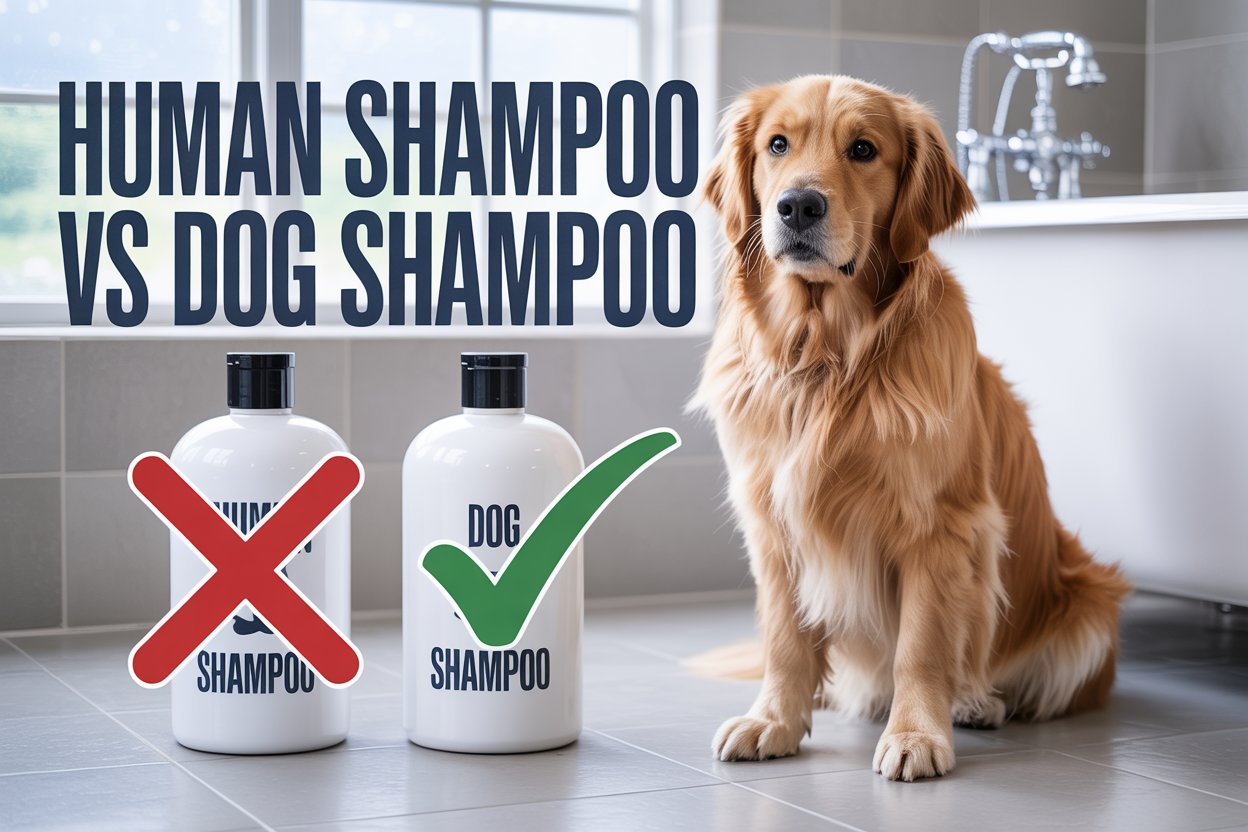
You love your furry friend and want to keep them clean, but you wonder: can I use human shampoo on my dog? This guide is for dog owners who need quick answers about safe bathing practices and want to protect their pet’s skin and coat health.
The short answer is no, human shampoo can actually damage your dog’s delicate skin. Your dog’s skin has a different pH balance than yours, and using the wrong products can lead to irritation, dryness, and other skin problems.
We’ll explain why human shampoo is harmful to dogs and how it disrupts their natural skin barrier. You’ll also discover safe emergency alternatives when you’re out of dog shampoo, plus learn how to choose the best dog shampoo for your pet’s specific needs. Finally, we’ll share proper dog bathing techniques that will keep your pup’s coat healthy and shiny.
Why Human Shampoo Can Harm Your Dog's Skin and Coat
pH Level Differences Between Human and Dog Skin
Your dog’s skin operates at an entirely different pH level than yours, and this difference is more significant than you might realize. Human skin maintains a pH balance between 5.2 and 6.2, making it slightly acidic. Your dog’s skin, however, sits at a much more neutral pH range of 6.2 to 7.4. Applying human shampoo to your dog essentially disrupts their natural skin balance.
This pH mismatch creates an environment where harmful bacteria and yeast can thrive on your dog’s skin. Your pup’s skin barrier becomes compromised, leaving them vulnerable to infections, hot spots, and persistent itching. The acid mantle that naturally protects your dog’s skin gets disrupted, making it harder for their body to maintain healthy skin conditions.
Harsh Chemical Ingredients That Irritate Canine Skin
Human shampoos pack a punch with ingredients that your dog’s sensitive skin simply can’t handle. Sulfates like sodium lauryl sulfate create that rich, foamy lather you love, but they’re far too aggressive for your dog’s delicate skin. These detergents can cause immediate irritation, redness, and inflammation.
Fragrances and artificial colors in human shampoo pose another serious threat to your dog’s well-being. Dogs have incredibly sensitive noses, and these synthetic scents can overwhelm their senses while simultaneously irritating their skin. Parabens, commonly used as preservatives in human shampoo, can trigger allergic reactions in dogs and may even disrupt their hormonal balance.
Your dog’s skin is actually thinner than human skin, making it more permeable to these harsh chemicals. What seems mild to you can penetrate deeply into your dog’s system, potentially causing more widespread health issues beyond just skin irritation.
How Human Shampoo Strips Essential Natural Oils
Your dog’s coat relies on natural oils produced by sebaceous glands to stay healthy, shiny, and protected. Human shampoo is designed to remove the heavier oil production that humans experience, but when you use it on your dog, it strips away oils they desperately need.
These natural oils serve as your dog’s first line of defense against environmental factors like dirt, moisture, and temperature changes. When human shampoo removes these protective oils, your dog’s skin becomes dry, flaky, and prone to cracking. This creates entry points for bacteria and allergens that can lead to serious skin conditions.
Your dog’s coat will lose its natural luster and may become brittle or coarse after repeated exposure to human shampoo. The undercoat, which provides insulation and temperature regulation, can become damaged, affecting your dog’s ability to stay comfortable in different weather conditions.
Potential Allergic Reactions and Skin Conditions
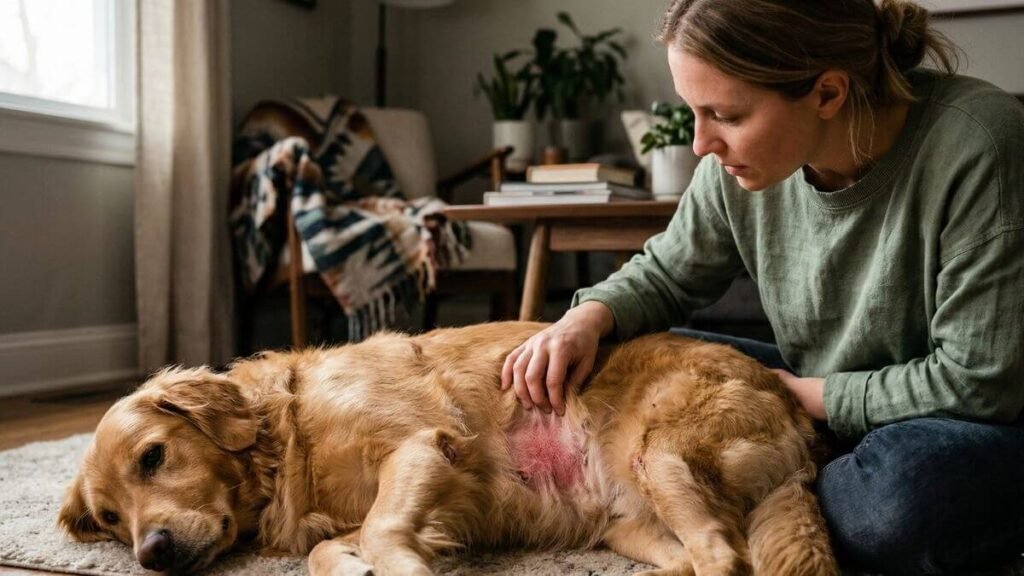
Using human shampoo on your dog can lead to a variety of allergic reactions and skin problems that can persist for months. Contact dermatitis is one of the most common immediate reactions, showing up as red, inflamed patches on your dog’s skin. You might notice your dog scratching frantically, licking affected areas obsessively, or developing painful hot spots.
Eczema and seborrheic dermatitis can develop with repeated use of human shampoo, creating chronic skin conditions that require veterinary treatment. These conditions often lead to secondary bacterial infections as your dog’s compromised skin becomes a breeding ground for harmful microorganisms.
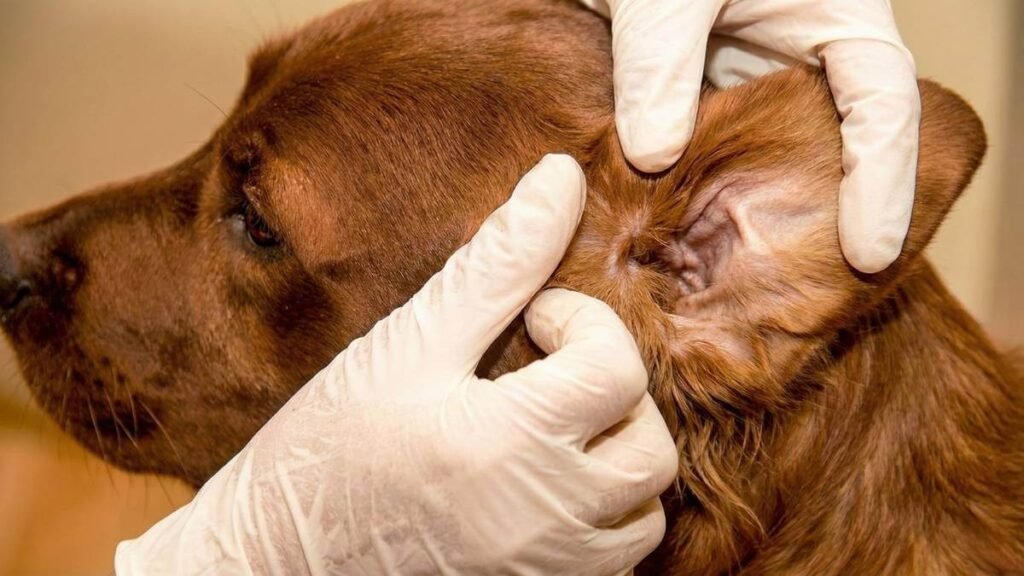
Some dogs develop chemical burns from the harsh ingredients in human shampoo, particularly around sensitive areas like the eyes, ears, and genital regions. Hair loss can occur in severe cases, and the constant irritation may cause behavioral changes as your dog becomes uncomfortable and stressed from the persistent itching and pain.
Pro Tip: Using the wrong shampoo is a major cause of itching, but it’s not the only one. If your dog is constantly scratching, it’s important to investigate all the possible causes. Read Our Guide: Why Is My Dog So Itchy? 7 Common Causes and Expert Solutions.
Understanding Your Dog's Skin and Coat Needs
Natural pH Balance Requirements for Healthy Dog Skin
Your dog’s skin pH sits between 6.2 and 7.4, making it much more neutral than human skin, which typically ranges from 4.5 to 6.5. This difference might seem small, but it’s actually huge when it comes to choosing the right products. Human shampoo is designed to work with your acidic skin, but when you use it on your dog, it disrupts their natural pH balance and strips away essential protective oils.
A disruption in your dog’s pH balance leaves their skin susceptible to bacteria, yeast infections, and irritation. You’ll notice signs like excessive scratching, red patches, flaky skin, or an unusual odor. The skin’s acid mantle, a protective barrier made of natural oils and beneficial bacteria, gets compromised, leaving your furry friend uncomfortable and prone to skin problems.
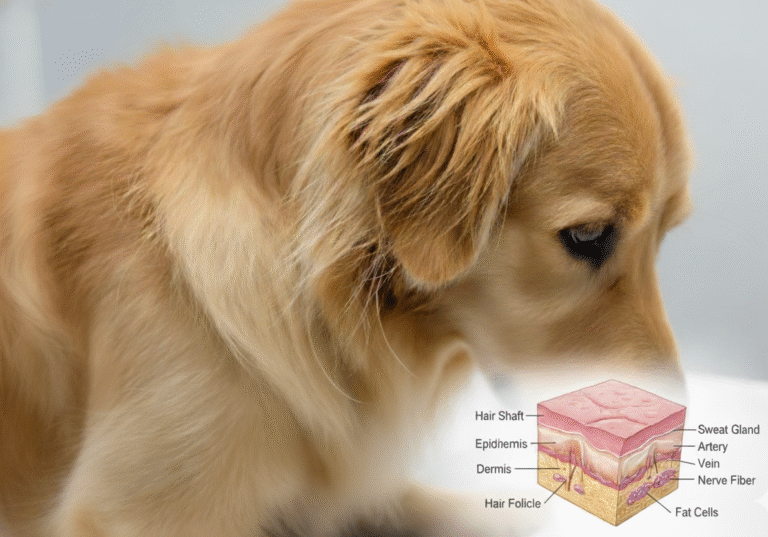
Dogs also have thinner skin than humans, with fewer cell layers providing protection. This makes them even more sensitive to pH disruptions. What feels gentle on your skin can be harsh and damaging to theirs, which is why dog skin pH balance is so critical for their overall health and comfort.
Different Coat Types and Their Specific Care Needs
Your dog’s coat type determines exactly what kind of care they need, and using human shampoo on any coat type can cause problems. Double-coated breeds like Golden Retrievers and German Shepherds have an undercoat that insulates and a topcoat that repels water. These dogs need products that clean without stripping the natural oils that keep both coat layers healthy and functional.
Short-haired breeds like Beagles and Boxers might seem low-maintenance, but their coats still require specific care. Their shorter hair means their skin is more exposed, making them extra sensitive to harsh chemicals found in human products. They need gentle formulations that won’t cause irritation or dryness.
Curly and wiry coats, like those on Poodles and Terriers, have unique textures that trap dirt and debris differently. These coats need moisturizing ingredients to prevent matting and maintain their natural texture. Human shampoo can make these coat types brittle and prone to breakage.
Coat Type | Special Needs | Risks with Human Shampoo |
Double-coated | Preserve natural oils in both layers | Strips undercoat protection |
Short-haired | Extra gentle formulation | Increases skin sensitivity |
Curly/Wiry | Moisturizing ingredients | Causes brittleness and matting |
Long-haired | Detangling and conditioning | Leads to knots and breakage |
How Dogs' Skin Barrier Functions Differently Than Humans
Your dog’s skin barrier works completely differently from yours, which is why you can’t just share your shampoo bottle. Dogs have a much faster skin cell turnover rate of about 20 days compared to your 28-day cycle. This means their skin regenerates quickly, but it also means they’re more sensitive to disruption from inappropriate products.
The sebaceous glands in your dog’s skin produce different types and amounts of oils compared to human skin. These oils serve specific purposes: temperature regulation, waterproofing, and protection against bacteria and parasites. When you use human shampoo on your dog, you’re removing oils they actually need, forcing their skin to work overtime trying to replace them.
Your dog’s hair follicles are also structured differently. They often have multiple hairs growing from a single follicle, and the follicles go much deeper into the skin. This unique structure means that harsh products can penetrate deeper and cause more lasting damage than they would on human skin.
Dogs lack the ability to sweat through their skin like humans do; they primarily cool themselves through panting and limited sweating through their paw pads. This means their skin barrier has evolved for different functions, and disrupting it with human products can interfere with their natural temperature regulation and protection systems. Their skin is literally built for a different job than yours, which is why dog-specific products are essential for maintaining their health and comfort.
Safe Emergency Alternatives When Dog Shampoo Isn't Available
Gentle Baby Shampoo as a Temporary Solution
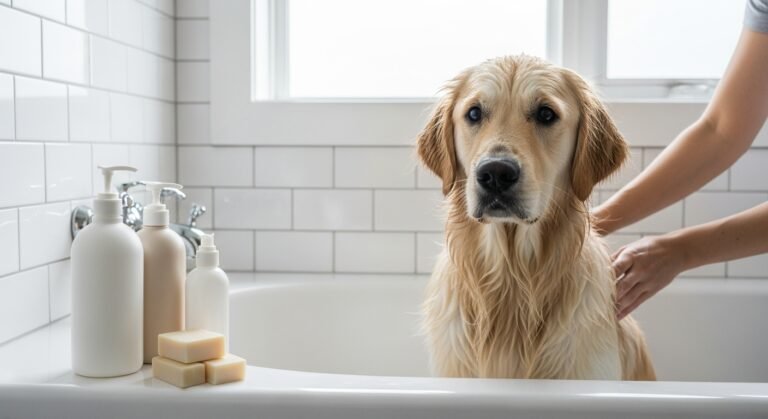
Baby shampoo can serve as your best emergency backup when you’ve run out of dog shampoo. The “no tears” formula makes it gentler than regular human shampoo, with a pH that’s closer to what your dog needs. Look for brands that specifically advertise tear-free formulas and avoid any with added fragrances or harsh chemicals.
When using baby shampoo on your dog, dilute it with water in a 1:1 ratio to make it even milder. This creates a gentler cleaning solution that won’t strip away your dog’s natural oils as aggressively. Apply it sparingly and rinse thoroughly; you want to remove every trace of soap residue from your pet’s coat.
Remember, this approach is strictly a one-time emergency fix, not a long-term solution. Your dog’s skin pH balance still differs from human skin, so even gentle baby shampoo can cause irritation with repeated use. It is advisable to reserve this option for unexpected muddy adventures or skunk encounters when waiting is not feasible.
Natural DIY Cleaning Options Using Household Items
Your kitchen pantry holds several safe alternatives for cleaning your dog when commercial products aren’t available. Dawn dish soap works exceptionally well for removing grease, oil, or sticky substances from your dog’s coat; it’s even used by wildlife rescue organizations to clean oil-soaked animals.
Create a simple cleaning solution using white vinegar and water in a 1:4 ratio. This mixture helps break down dirt and odors while being gentle on your dog’s skin. The vinegar’s natural acidity can help restore some balance to your pet’s skin, though it shouldn’t replace proper dog shampoo long-term.
Baking soda acts as an excellent dry cleaning agent for light freshening between baths. Sprinkle it on your dog’s coat, work it through with your fingers, then brush it out completely. This method absorbs odors and oils without adding moisture, making it perfect for dogs who hate water or when bathing isn’t practical.
|
Household Item |
Best Use |
Application Method |
|
Dawn Dish Soap |
Grease/oil removal |
Small amount, diluted |
|
White Vinegar |
Odor elimination |
1:4 ratio with water |
|
Baking Soda |
Dry cleaning |
Sprinkle and brush out |
Plain Water Rinsing for Light Cleaning Needs
Sometimes water alone does the job perfectly. If your dog has rolled in dirt, sand, or light mud, a thorough rinse with lukewarm water can remove most of the mess without needing any cleaning products. This approach works especially well for dogs with water-resistant coats or those who get dirty frequently during outdoor activities.
Use your hands to work through your dog’s coat while rinsing, helping water penetrate down to the skin level. Pay special attention to areas where dirt tends to accumulate between toes, under the belly, and around the legs. The mechanical action of your fingers combined with flowing water can dislodge surprisingly stubborn debris.
Water rinsing becomes your go-to method for dogs with sensitive skin conditions or allergies. You avoid introducing any potential irritants while still maintaining basic cleanliness. This gentle approach also works well for senior dogs or those who find bathing stressful, as it reduces the time and handling involved in the cleaning process.
When to Skip Bathing Until Proper Products Are Available
Certain situations call for patience rather than improvisation. If your dog has existing skin conditions, open wounds, or known allergies, wait until you can get appropriate dog shampoo rather than risking irritation with substitute products. Your pet’s health matters more than immediate cleanliness in these cases.
Skip emergency bathing when your dog is extremely stressed, injured, or showing signs of illness. The additional stress of an unfamiliar cleaning routine could worsen their condition. Instead, focus on keeping them comfortable and schedule proper grooming once they’re feeling better and you have the right supplies.
Weather conditions also influence your decision. Avoid bathing your dog with alternative products during cold weather or when they can’t dry completely indoors. Wet fur combined with unsuitable cleaning products creates perfect conditions for skin problems or bacterial growth. Sometimes a simple brush-out and spot cleaning with a damp cloth handles the situation better than a full bath with questionable products.
Choosing the Right Dog-Specific Shampoo Products
Key Ingredients to Look for in Quality Dog Shampoos
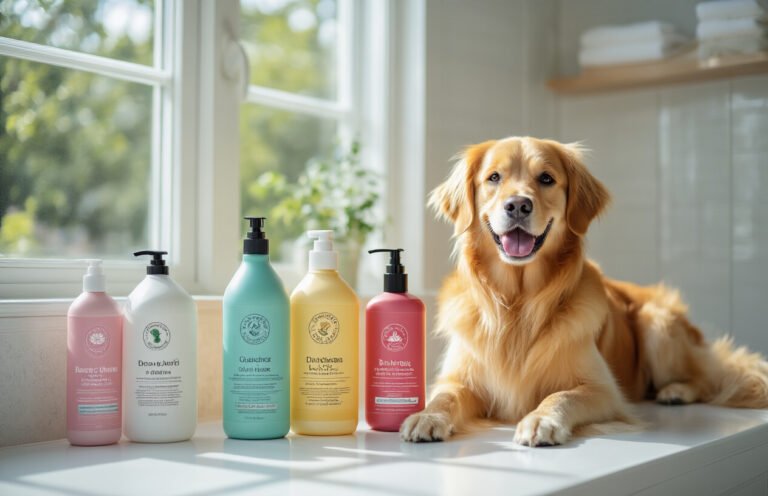
When you’re shopping for the best dog shampoo, you’ll want to focus on ingredients that support your pet’s skin health and natural pH balance. Look for shampoos containing oatmeal, which soothes irritated skin and provides gentle moisture. Aloe vera is another excellent ingredient that offers anti-inflammatory properties and helps heal minor cuts or scrapes.
Natural oils like coconut oil, jojoba oil, and tea tree oil (in small concentrations) can nourish your dog’s coat while providing antimicrobial benefits. Vitamin E acts as a natural antioxidant, protecting your pet’s skin from environmental damage. Chamomile extract offers calming properties, making bath time more relaxing for anxious dogs.
Pro-vitamin B5 (panthenol) helps strengthen hair follicles and adds shine to your dog’s coat. Glycerin serves as a humectant, drawing moisture to the skin and preventing dryness. These ingredients work together to maintain your dog’s skin pH balance, which typically ranges between 6.2 and 7.4, quite different from human skin.
Avoiding Harmful Chemicals and Additives
You should steer clear of dog grooming products containing sulfates like sodium lauryl sulfate, which can strip natural oils and cause skin irritation. Parabens, commonly used as preservatives, may disrupt your dog’s hormonal balance and should be avoided.
Artificial fragrances and dyes serve no purpose other than appealing to human preferences and can trigger allergic reactions in sensitive dogs. Alcohol-based ingredients will dry out your pet’s skin and coat, leading to flaking and irritation.
Avoid shampoos with phthalates, formaldehyde, and phenols, as these chemicals can be toxic to dogs. Essential oils like eucalyptus, pennyroyal, and wintergreen should also be avoided, as they can be harmful to dogs even in small amounts.
Ingredients to Avoid | Why They’re Harmful |
Sulfates | Strip natural oils, cause irritation |
Parabens | May disrupt hormones |
Artificial fragrances | Can trigger allergies |
Alcohol | Dries skin and coat |
Phenols | Potentially toxic |
Special Formulas for Sensitive Skin and Allergies
Dogs with sensitive skin need extra gentle pet shampoo ingredients that won’t aggravate existing conditions. Hypoallergenic formulas typically contain fewer ingredients and focus on proven gentle compounds like colloidal oatmeal and aloe vera.
If your dog suffers from allergies, look for shampoos specifically designed for atopic dermatitis or contact allergies. These formulas often include ingredients like hydrocortisone (in veterinarian-approved concentrations) or pramoxine for itch relief.
Medicated shampoos containing ingredients like chlorhexidine or ketoconazole can help dogs with bacterial or fungal skin infections. However, you should always consult your veterinarian before using medicated products, as they may require specific application methods or frequency.
For dogs with extremely dry skin, moisturizing shampoos with ceramides and fatty acids help restore the skin barrier. These formulas often require less frequent bathing to prevent over-drying.
Budget-Friendly Options That Still Protect Your Pet
You don’t need to break the bank to find safe dog shampoo alternatives that protect your pet’s health. Many drugstore and pet store brands offer quality formulations at reasonable prices. Look for simple ingredient lists with recognizable components like oatmeal, aloe, and natural oils.
Generic or store-brand dog shampoos often contain similar active ingredients to premium brands but cost significantly less. Compare ingredient labels rather than focusing solely on brand names or fancy packaging.
Buying larger bottles typically offers better value per ounce, especially if you have multiple dogs or bathe your pet frequently. Some concentrated formulas require dilution, making them more economical in the long run.
Consider making your own solution for dog coat care in emergency situations using gentle ingredients like baby shampoo (Johnson’s tearless formula), diluted castile soap, or even a mixture of baking soda and water for spot cleaning between baths.
Proper Dog Bathing Techniques for Optimal Results
Pre-Bath Preparation and Safety Tips
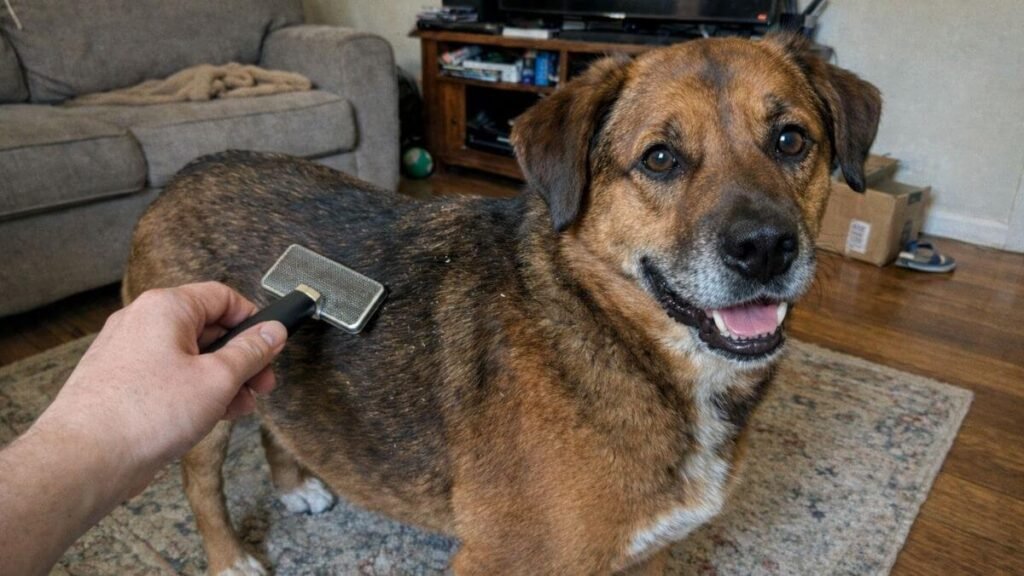
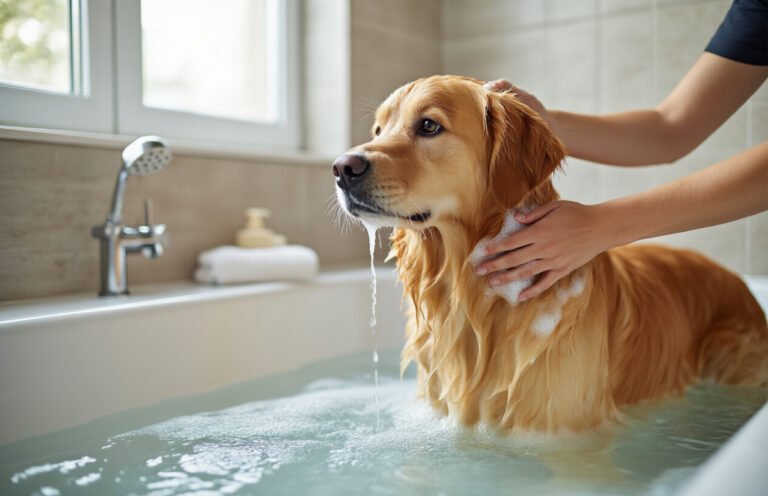
Before you turn on the water, take time to prepare your dog for a successful bathing experience. Brush your dog’s coat thoroughly to remove loose fur, mats, and debris. This step prevents clogged drains and helps the shampoo reach your dog’s skin more effectively. Pay special attention to areas prone to matting, like behind the ears, under the legs, and around the tail.
Gather all your supplies within arm’s reach; you would rather not leave a wet, soapy dog unattended while searching for towels. You’ll need dog-specific shampoo, clean towels, a non-slip mat for the tub, cotton balls for ear protection, and treats to keep your pup calm.
Place cotton balls gently in your dog’s ears to prevent water from entering the ear canal, which can lead to infections. Check the water temperature before your dog steps into the tub; it should feel lukewarm on your wrist, similar to what you’d use for a baby’s bath.
Create a calm environment by speaking in soothing tones and having treats ready as positive reinforcement. If your dog is anxious about bath time, consider using a pheromone spray or playing calming music to reduce stress levels.
Water Temperature and Application Methods
The ideal water temperature for dog bathing sits between 98 and 102°F (37 and 39°C). Water that’s too hot can burn your dog’s sensitive skin, while cold water makes the experience uncomfortable and stressful. Test the temperature frequently throughout the bath, as water heaters can fluctuate.
Start by wetting your dog’s body from the neck down, avoiding the head initially. Use a gentle spray nozzle or a cup to pour water slowly, allowing your dog to adjust gradually. Work the water through your dog’s coat systematically, ensuring you reach the skin underneath.
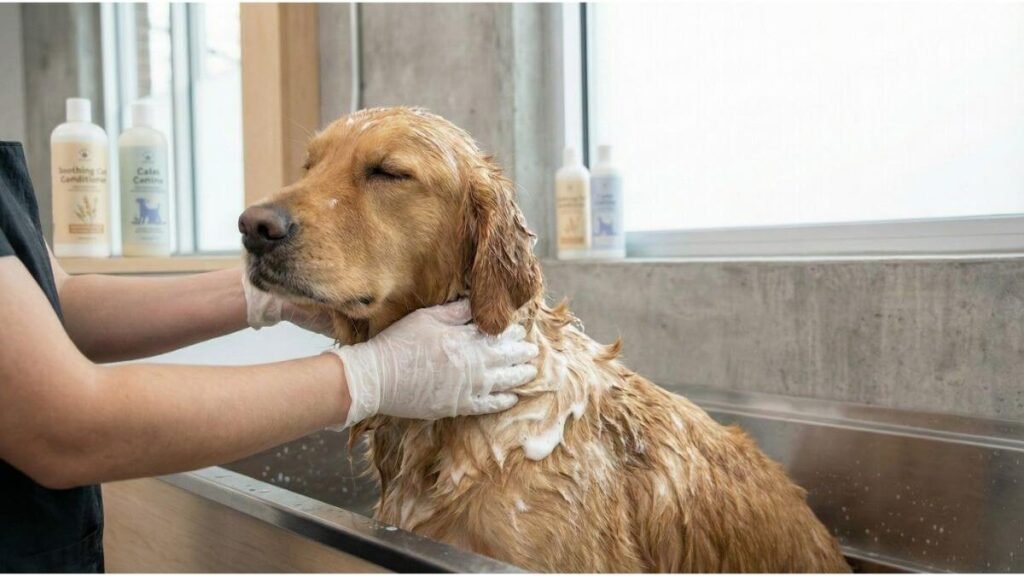
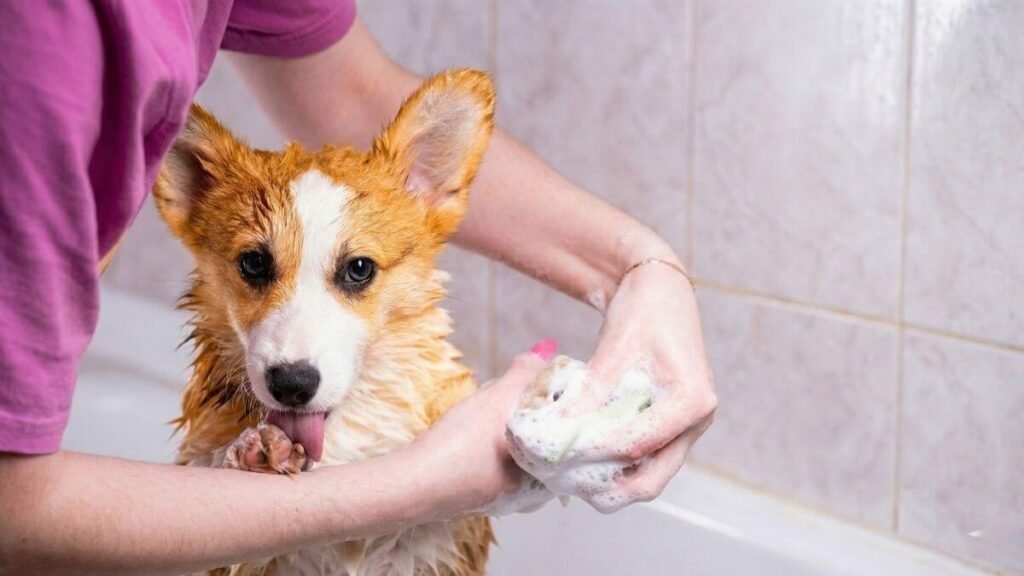
When applying dog shampoo, use the amount recommended on the bottle, typically a quarter-size amount for small dogs and more for larger breeds. Start at the neck and work backward, massaging the shampoo into the coat with circular motions. Focus on areas that get particularly dirty, like paws, belly, and rear end.
Avoid getting shampoo directly on your dog’s face. Instead, use a damp washcloth with a tiny amount of shampoo to gently clean around the eyes, nose, and mouth. This dog bathing tip prevents soap from irritating sensitive facial areas.
For the full routine, read our guide: How to Bathe a Dog with Itchy Skin.
Thorough Rinsing to Prevent Residue Buildup
Rinsing might seem straightforward, but it’s the most critical step in proper dog grooming. Soap residue left on your dog’s skin can cause irritation, itching, and skin problems. Spend twice as long rinsing as you did washing; the extra time ensures complete removal of all shampoo.
Rinse in the same systematic pattern you used for washing, starting at the neck and working toward the tail. Use your fingers to work through the coat while rinsing, feeling for any slippery areas that indicate remaining soap. Pay extra attention to thick-coated areas where shampoo tends to hide, such as the chest, legs, and undercarriage.
The water should run completely clear before you consider the rinse complete. If you see any suds or if the water feels slippery, continue rinsing. Areas like armpits, groin, and between toes often trap soap, so check these spots carefully.
For dogs with double coats or particularly thick fur, consider doing a second rinse cycle. These coat types can harbor soap deep within the layers, and inadequate rinsing can lead to skin irritation days later. Your patience during this step directly impacts your dog’s comfort and skin health in the days following their bath.
Frequently Asked Questions
What can I use instead of dog shampoo?
In a true emergency, the safest option is a DIY oatmeal bath (plain oatmeal ground up) or just a thorough rinse with plain, lukewarm water. If they are covered in extreme grease or oil, a tiny drop of original Dawn dish soap can be used, but this type is not for regular use.
What human shampoos are safe for dogs?
Honestly, no human shampoo is truly safe for regular use. A dog’s skin pH is neutral (6.2-7.4), while human skin is acidic (around 5.5). In a single, desperate emergency, a tear free baby shampoo is less harmful than adult shampoo, but even it will cause dryness and irritation if used over time.
Can I use normal human shampoo on my dog?
No, you should never use normal human shampoo on your dog. It is formulated for acidic human skin and is far too harsh for a dog’s neutral-pH skin. It will strip all their natural, protective oils, leading to a damaged skin barrier, severe itchiness, dryness, and potential infections.
Can I wash my dog with fairy liquid?
No, this is not a good idea. Fairy Liquid, like other dish soaps, is a powerful degreaser designed to cut through kitchen grease. It will also strip all the essential, protective oils from your dog’s skin, leaving it dry, irritated, and vulnerable to skin problems.
Can I use dish soap as dog shampoo?
You should not use dish soap like Dawn or Fairy as a regular dog shampoo. It is a harsh degreaser that is too damaging for routine baths. Vets and wildlife rescuers only use it in extreme cases like oil spills or skunk spray because it’s so strong, but it should not be used for normal cleaning.
Is it okay to wash a dog without shampoo?
Yes, absolutely! If your dog is just a little muddy, dusty, or sandy, a thorough rinse with plain, lukewarm water is often all they need. This is a great way to clean them off between scheduled baths without stripping their natural oils or drying out their skin.
Can human shampoo be used on dogs?
No, you should not use human shampoo on dogs. Human skin is acidic (pH ~5.5), while dog skin is more neutral (pH ~7.0–7.5). Using human shampoo disrupts a dog’s protective “acid mantle,” which leaves their skin vulnerable to dryness, bacteria, parasites, and severe itching. Always use a pH-balanced shampoo made specifically for dogs.
Conclusions
Your dog’s skin is more sensitive than yours, and using human shampoo can lead to irritation, dryness, and other skin problems. The pH levels in products made for people are simply too harsh for your furry friend’s delicate skin barrier. When you stick to dog-specific shampoos, you’re protecting their natural oils and keeping their coat healthy and shiny.
If you ever find yourself in a pinch without dog shampoo, remember that gentle alternatives like diluted dish soap or even plain water work better than reaching for your bottle. Take the time to choose a quality dog shampoo that matches your pet’s specific needs, whether they have sensitive skin, allergies, or a particular coat type. Your dog will thank you with a healthier, happier appearance and fewer skin issues down the road.