Skip to content


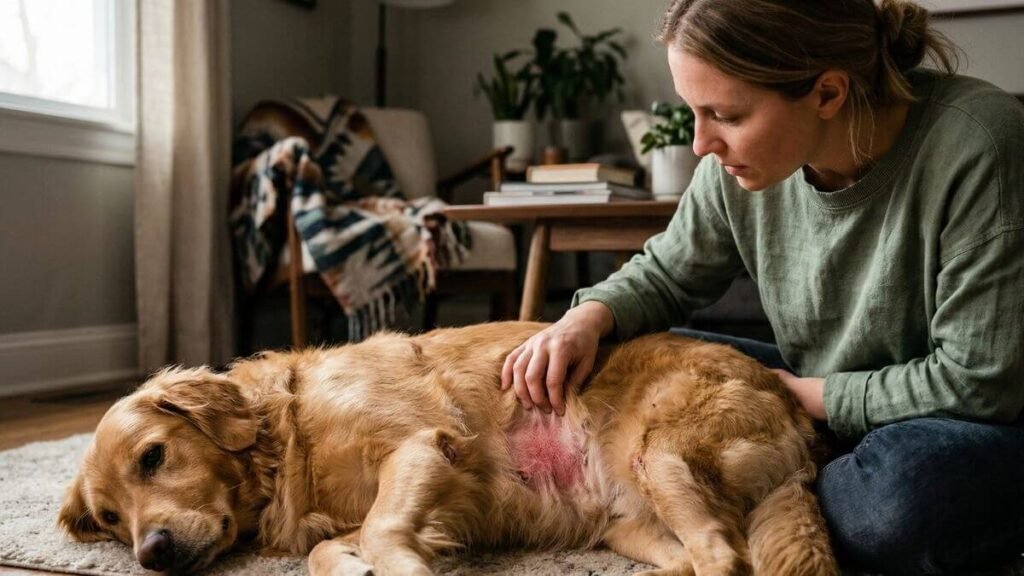
Is your dog constantly scratching, licking, or biting its skin?
You’re not alone. This condition is one of the most common frustrations for dog owners. If you’ve ever found yourself wondering, why is my dog so itchy? You’re asking the right question. I’ve faced the same struggle with my dog’s endless scratching that no shampoo or quick fix could solve. That experience pushed me to dig deeper and learn what truly causes itchy skin in dogs.
With insights from Emily Nova, our grooming specialist at Petnovax, this guide explains the seven most common causes of dog itching and the expert-approved solutions that can help your furry friend finally feel comfortable again. Itching may look like a simple problem, but the cause often goes beyond what you see from fleas and food allergies to dry skin and hidden infections.
By the end of this post, you’ll understand what’s triggering your dog’s discomfort and how to take the right steps toward lasting relief.
Understanding the Root of the Itch
An itchy dog can be a maddening conundrum. The incessant scratching is not just annoying but also difficult to watch. Your dog is obviously uncomfortable, and it can cause more serious problems, such as sores on the skin, an infection, or even behavioral issues. Diagnosing the cause of the itch is the first and most important step in finding an effective remedy. The reasons may vary from environmental to complex medical issues. Given this, identifying the root cause of your dog’s itching can be challenging without a systematic approach. We will explore frequent offenders, including parasites, allergies, and skin diseases, to give you some insight into what might be causing your dog’s scratchy skin.
1. Pesky parasites: fleas, mites, and ticks!
Here’s a standard reply to the question, Why is my dog so itchy? The theory is that parasites are to blame. These miniscule blistering bugs can be very uncomfortable for your animal.
Flea Allergy Dermatitis (FAD)
A dog who has an allergy to fleas will react vehemently to one flea bite. FAD dogs are allergic to proteins in the siphonaptera (flea) saliva. As a result, they itch incessantly, end up with red skin, and lose hair, especially at the base of the tail, back, and inside the thighs. You might notice tiny red bumps or scabs on your dog’s skin. Itchiness is so severe that a dog suffering from FAD will usually chew and lick himself raw with secondary bacterial infections. The most effective treatment for this universal problem is regular, year-round flea prevention.
Sarcoptic Mange (Scabies)
Sarcoptic mange is caused by the Sarcoptes scabiei mite, an easily transmitted parasite that burrows into the skin. Intense itching occurs in dogs, causing them to scratch themselves desperately and lose their hair, which leads to scabbed, crusty skin sores. The ears, elbows and abdomen are usually the first to be attacked. Not only is scabies uncomfortable for dogs, but it can lead to infestations in people. If you suspect your dog has scabies, take it to the vet for diagnosis and treatment.
Demodectic Mange
Unlike sarcoptic mange, which is a parasite that is not normally present on the skin of dogs, Demodex is actually a normal inhabitant of the dog’s skin. But on young or old dogs, these mites reproduce so quickly that it results in demodectic mange. The effects may include small, focal, patchy areas of hair loss and mild pruritus, or they may be generalized, affecting the entire body. Although not as itchy as scabies, they are uncomfortable and will need veterinary treatment.
2. Environmental Allergies (Atopy)
Dogs can be allergic to things in their environment, just like people. Atopy, or seasonal allergies in dogs, is a leading cause of itching.
Common Environmental Allergens
Dogs can react to many different environmental allergens:
- Tree, grass and ragweed pollens
- Mold spores
- Dust mites
Dander from other animals
Signs of seasonal environmental allergies do tend to emerge seasonally, so you may observe your dog scratching his or her time away more in spring or fall. But allergens such as dust mites might lead to year-round itching. Dog allergies most commonly affect the face, paws, ears, and underside of the body. These reactions may result in repeated ear and skin infections. Your dog may lick their paws all the time, rub their face on the rug, or scratch at their sides.
Diagnosis and Management
It is difficult to diagnose environmental allergies. Your vet may suggest allergy testing to determine precisely what’s triggering the allergies. Treatment is frequently multimodal. The treatment can include reducing exposure to allergens with medicated shampoos and medications like antihistamines or, for more intense cases that warrant it, immunotherapy allergy shots to desensitize your dog’s system to the allergen over time.
3. Food Allergies and Sensitivities
Food allergies in dogs can also cause itchy skin. Less common than allergies in the environment, a food allergy can also make your dog very uncomfortable due to itchiness and scratching that continues over time.
Diagnosing Food Allergy in your dog
A real food allergy is an immune reaction to a certain nutrient source, typically a protein like beef or chicken; dairy; or soy. The main symptom is non-seasonal itchy skin that may occur anywhere on the body but usually concentrates around the ears and paws. The skin problems may come along with gastrointestinal ones, such as vomiting or diarrhea. You’ll want to differentiate a food allergy from a food intolerance, which is not immune system mediated but can lead to digestive distress as well.
The Elimination Diet Trial
The most reliable method for confirming a food allergy is the elimination diet. These diets include an ingredient you have never previously fed your pet, i.e., novel within the protein and carbohydrate sources, for a period of 8–12 weeks. During this period, you should eliminate all other foods, treats, and even flavored drugs. If your dog’s itching resolves, you can reintroduce the old food ingredients one by one to isolate the allergen. While this process may require some discipline and patience, it is the most effective method to pinpoint the specific cause of your dog’s excessive itching due to their diet.
4. Dry Skin (Xerosis)
This method answers the question, “Why is my dog so itchy?” The cause is simply dry skin. But like human skin, dry skin can flake, crack, and itch.
Causes of Dry Skin in Dogs
There are various things that may cause dogs to have dry skin. A low-humidity climate, particularly in the winter when you’re regularly on indoor heating, can leave your skin starving for water. Too frequent bathing, especially with harsh shampoos, strips off the natural oils that protect and moisturize the skin, causing it to become dry and irritated. Some nutritional deficiencies can also cause dry, lackluster fur and flaky skin, particularly a deficiency in omega-3 or omega-6 fatty acids.
Soothing Your Dog’s Dry Skin
Dry skin relief is possible with simple lifestyle changes. You can help add moisture to the air in your home by running a humidifier. When you bathe your dog, use a gentle, hydrating dog shampoo and don’t bathe them too often. To ensure you aren’t making the dry skin worse with hot water or rough scrubbing, follow our How to Bathe a Dog with Itchy Skin: Gentle Step-by-Step Guide. Feeding some high-quality fats in the diet can also help support skin and coat health from the inside out. If the itching or flaking persists, consult your veterinarian to rule out any underlying medical conditions like hypothyroidism or other metabolic issues.
5. Skin Infections: Bacterial and Fungal
Chronic scratching and biting can result in a breakdown of the skin’s surface, which paves the way for bacteria and yeast to infiltrate and cause a secondary infection. These infections then make the dog itchier, setting off a cycle of itching and infection.
Bacterial Infections (Pyoderma)
Pyoderma is a superficial bacterial infection of the skin, and it can occur secondary to chronic pruritus. It may present as red lumps, pimples, pustules, crusts and circular patches of hair loss. It is also common for these rashes to be very pruritic and painful for the dog. Pyoderma is second and needs to be addressed to interrupt the itching cycle. The usual treatment is with oral antibiotics and topicals like antibacterial shampoos or sprays.
Fungal (Yeast) Infections
Another frequent etiology of severe pruritus is yeast dermatitis, most commonly secondary to Malassezia pachydermatis in dogs. This fungus is a normal resident of the skin but can proliferate in warm, moist environments, particularly in dogs with an underlying allergy. Yeast infections also have greasy skin, a musty odor, thickened and darkened skin like an elephant’s, and severe pruritus. Typical locations for yeast infections are the ears, paws and skin folds. It is treated with antifungal drugs, which can be applied on the skin or taken by mouth.
6. Contact Dermatitis
Contact dermatitis in dogs is a skin reaction when a dog’s skin is touched by something that they are either allergic to or something that irritates the skin. This is a rare cause of itch, but it has to be borne in mind with an itchy rash that develops at specific sites on the body.
Irritants vs. Allergens
There are two kinds of contact dermatitis. Irritant contact dermatitis results from exposure to a substance, such as shampoo, cleaning products, or road salt. Allergic contact dermatitis is a manifestation of an allergy to things such as pesticides applied to grass, materials in bedding or carpet, and even elements of a plastic food bowl. The reaction typically occurs in areas of the body with less hair, like the belly, paws, and muzzle. You might see redness, bumps and severe itching in these areas. The underlying cause is generally not immediately apparent and may have to be determined by a process of elimination.
7. Underlying Medical Conditions
Chronic itching can be a sign of more serious health issues in some cases. If your dog is itching and you’ve eliminated some of the more typical causes, your vet might consider other options.
Hormonal Imbalances
Health problems such as hypothyroidism, an underactive thyroid gland, or Cushing’s disease (overproduction of cortisol) can impact skin care. This imbalance of hormones can result in a dull, thinning coat, hair loss and skin infections and itching. These issues are generally associated with other symptoms, like altered eating, drinking, or activity levels. Its diagnosis is made on blood tests, and it requires lifelong medication treatment.
Autoimmune Diseases
On occasion, some autoimmune conditions can cause the immune system to attack the skin, leading to skin lesions, crusting and itching. Diseases such as pemphigus foliaceus can produce pustules and crusts, often wiping out parts of the nose bridge and ears. A skin biopsy is usually required to make a diagnosis, and therapy includes the administration of immunosuppressive agents.
Solutions and Remedies for an Itchy Dog
You can help your dog once you know why it’s itching. Management often involves a combination of veterinary treatments and at-home care, especially when itchy skin in dogs keeps coming back.
Home Remedies for Dog Itching
While it’s crucial to consult a vet for a proper diagnosis, some home remedies can provide temporary relief for mild dog itching.
- Oatmeal Baths: Colloidal oatmeal has anti-inflammatory properties that can soothe irritated skin. For more details, check out PetMD’s guide to oatmeal baths. You can use a commercial oatmeal shampoo or grind plain, uncooked oatmeal into a fine powder and add it to a warm bath.
- Coconut Oil: Applying a small amount of virgin coconut oil topically can help moisturize dry skin in dogs and has mild antibacterial and antifungal properties.
- Apple Cider Vinegar Spray: A 50/50 mixture of apple cider vinegar and water can help soothe itchy spots and may assist with yeast problems. However, never apply it to open wounds or raw skin, as it will sting.
When to See a Veterinarian
You should always consult your veterinarian if your dog is itchy and it is severe, persistent, or accompanied by other symptoms such as
- Open sores or skin lesions
- Hair loss
- A foul odor from the skin or ears
- Changes in behavior, appetite, or energy level
- Why is my dog so itchy all of a sudden? A sudden onset of severe itching in dogs warrants a vet visit.
Your vet can perform diagnostic tests to determine the exact cause and prescribe medications like antihistamines, steroids, or specialized drugs to control dog allergy symptoms and treat underlying conditions like infections, flea allergy dermatitis, or other dogs with itchy skin issues. If your vet diagnoses allergies, immunotherapy may be an option for long-term relief.
For more reasons, check out our article on seasonal allergies in dogs and food allergies in dogs, as every case of itchy dogs may be different.
FAQs: Answering Your Itchy Dog Questions
How often should I bathe my dog?
The frequency depends on your dog’s breed, coat, and skin condition. For a healthy pet, bathing once every 1-3 months is usually sufficient. However, if your dog is itchy due to itchy skin in dogs or skin lesions, your vet may recommend using a medicated dog shampoo more often. Over-bathing can lead to dry skin in dogs by stripping away natural oils.
What causes itchy skin in dogs?
The most common causes of itching in dogs include parasites like fleas and mites, flea allergy dermatitis, environmental allergies (also called seasonal allergies in dogs), food allergy in dogs, dry skin in dogs, and secondary bacterial or yeast infections. If your dog is itchy, investigating these main categories can help you find relief for your itchy dog.
Can I use human shampoo on my dog?
No. The pH of a dog’s skin is different from ours; using human shampoo can disrupt their skin’s protective barrier, leading to itchy dogs and further irritation. Always use a shampoo specifically formulated for dogs. Learn more in our guide: Can I Use Human Shampoo on My Dog? 7 Common Causes and Expert Solutions
What is the best natural remedy for itchy dog skin?
An oatmeal bath is a safe and effective home remedy for soothing itching in dogs, especially those with itchy skin caused by sensitivities. Oatmeal helps calm irritation and redness, but remember: it’s a temporary solution. You should constantly work to find and treat the underlying reason, whether it’s flea allergy dermatitis, dog allergy symptoms, or seasonal allergies in dogs.
Should I consult a vet for chronic dog itching?
Yes, absolutely. If your dog is itchy all the time, or you suddenly notice, “Why is my dog so itchy all of a sudden?” consult your veterinarian. Chronic itchy dogs may have an underlying health problem, such as skin lesions or food allergies in dogs, or require immunotherapy or antihistamines for symptom management. A vet can develop a personalized treatment plan and may recommend allergy testing or specialty diets for persistent dog itching.
Explore more in-depth guides on related topics:
- Why Is My Dog Itching?
- Seasonal Allergies in Dogs
- Best Dog Foods for Allergies
Conclusion
Seeing your dog constantly scratching can be heartbreaking. The question is, why is my dog so itchy? This question has many potential answers, ranging from simple flea bites to complex internal diseases such as food allergies or conditions that cause itchy skin in dogs. By carefully observing your dog’s allergy symptoms and working with your veterinarian, you can uncover the root cause of discomfort, whether it’s flea allergy dermatitis, dry skin in dogs, or persistent itching in dogs related to seasonal allergies.
Whether the solution lies in better parasite control, a dietary change, allergy management, or treating a dog with itchy skin due to skin infection, taking action is key. For dogs itchy all of a sudden or showing signs of skin lesions, it’s always best to seek veterinary advice, especially since remedies like immunotherapy or antihistamines may be recommended for long-term care.
You can help your companion break free from the cycle of dog itching and get back to being a happy, healthy, and comfortable member of your family.