Skip to content

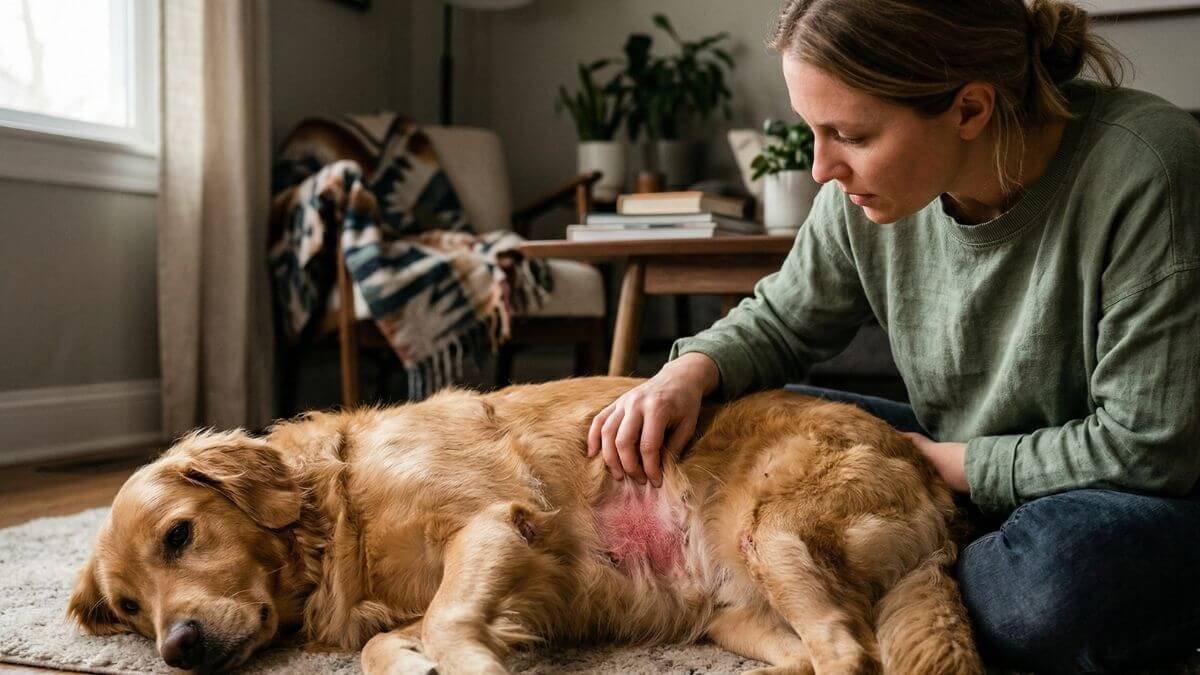
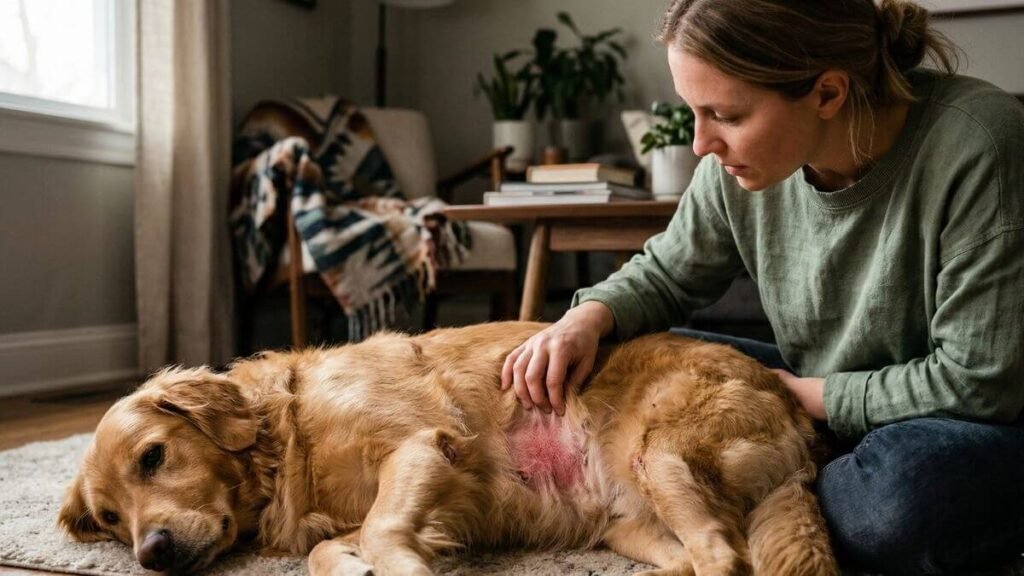
Your dog can’t ever stop scratching. Their skin shows inflamed, weeping sores. They whimper when you touch infected areas. Watching your companion suffer breaks your heart. Skin infections in dogs can result from allergies, parasites, moisture, and immune issues. Preventive diagnoses and treatments prescribed by the veterinarian prevent the development of infections. This evidence-based guide describes bacterial, yeast, and fungal infections in detail, including symptom identification, treatment regimens, and prevention measures. You will know precisely what you want to do when your dog requires assistance.
What Are Skin Infections in Dogs?
Canine skin infections develop when bacteria, yeast, or fungi invade damaged skin barriers. Allergies, parasites, hormonal imbalances, or excessive moisture weaken the protective outer layer. Pathogens multiply rapidly in warm, moist environments, such as skin folds, causing inflammation and discomfort. Common types include bacterial pyoderma caused by Staphylococcus pseudintermedius, yeast overgrowth by Malassezia pachydermatis, and fungal infections such as ringworm.
Healthy dog skin maintains a balanced microbiome that prevents harmful organisms from colonising. When this balance breaks down, opportunistic pathogens take over. Symptoms typically appear within 24-72 hours: intense itching, redness, hair loss, pustules, crusting, and malodour. Early detection enables faster treatment and reduces complications.
What Skin Infections Look Like in Dogs (Visual Recognition Guide)
Recognising signs of infection early helps you act before conditions worsen. Each infection type shows distinct visual patterns:
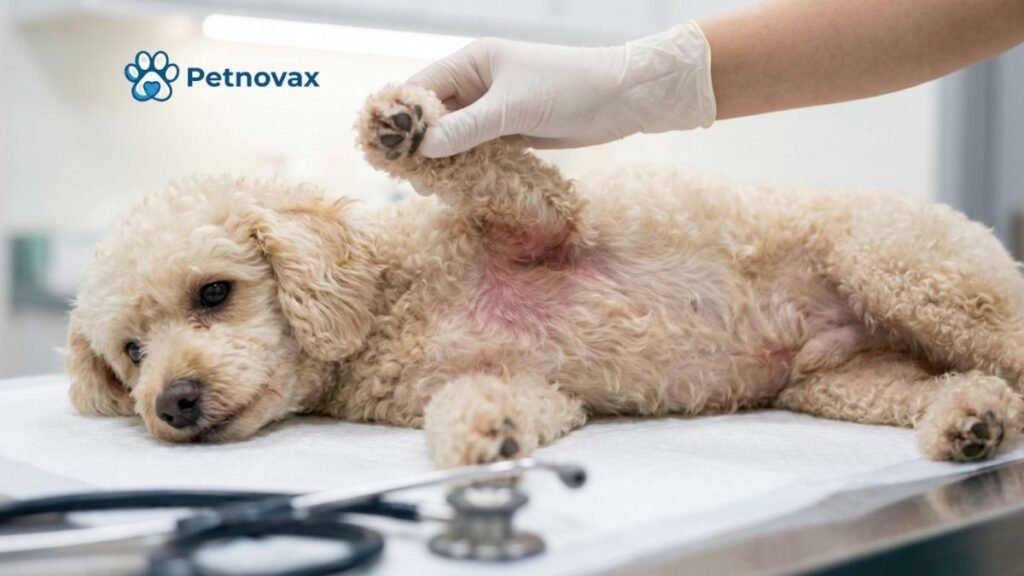
Bacterial Infections (Pyoderma): Red, circular lesions resembling small pimples or pustules appear first. These bumps contain yellowish pus and often form crusty scabs when they rupture. You’ll notice hair loss around affected areas, creating patchy, moth-eaten patterns. The skin is warm and tender on palpation. Deep infections typically present with thick, oozing discharge with a strong, unpleasant odour.
Yeast Infections (Malassezia Dermatitis): The skin turns pinkish-red or brownish, especially in skin folds, ears, paws, and groin areas. A greasy, waxy texture covers affected regions, accompanied by a distinctive musty or “corn chip” odour. Your dog obsessively licks their paws until the fur darkens to reddish-brown from saliva staining. Thickened, elephant-like skin develops in chronic cases.
Fungal Infections (Ringworm): Circular patches of hair loss appear with red, scaly edges. These lesions spread outward, creating ring-shaped patterns. The centre often heals while edges remain active. Crusty, flaky skin accumulates around affected areas. Unlike other infections, ringworm may not cause intense itching initially.
Hot Spots (Acute Moist Dermatitis): Rapidly expanding, raw, weeping sores develop overnight. These circular lesions feel hot, appear erythematous, and discharge clear or yellowish fluid. Matted fur surrounds the wound. Dogs frantically lick, bite, and scratch these areas, worsening damage within hours.
What Causes Skin Infections in Dogs?
Understanding root causes helps prevent future outbreaks and guides treatment choices. Multiple factors trigger canine dermatological infections:
1. Allergic Reactions Create Entry Points
Allergic reactions damage the skin’s protective barrier, creating microscopic breaks where bacteria enter. Many dogs with chronic allergies also suffer from underlying dry skin that worsens infection risk. Learn effective methods for treating dry skin on dogs to strengthen skin barriers and prevent bacterial colonization.
2. Parasites Damage Skin Integrity
Fleas, mites, and ticks bite the skin, causing inflammation and creating wounds. Flea allergy dermatitis can cause severe reactions even from a single bite. Sarcoptic mites burrow into skin layers, causing intense itching and bacterial superinfections. Demodex mites proliferate when the immune system weakens, leading to patchy hair loss and infection.
3. Moisture Buildup Encourages Pathogen Growth
Dogs with skin folds (e.g., Bulldogs, Shar-Peis, Pugs) trap moisture in their creases. Yeast thrives in these warm, damp environments. Swimming, bathing, or exposure to humid climates without proper drying increases the risk of infection. Ears that hang down (Cocker Spaniels, Basset Hounds) create perfect breeding grounds for yeast and bacteria.
4. Hormonal Imbalances Weaken Defences
Hypothyroidism slows skin cell turnover and reduces immune function. Cushing’s disease (hyperadrenocorticism) causes thin, fragile skin prone to injuries and infections. Hormonal problems create chronic, recurring infections that resist standard treatment until the underlying condition is addressed.
5. Immune System Dysfunction Opens Doors
Autoimmune disorders attack healthy skin cells, creating lesions that become infected. Immunosuppressive medications (steroids, chemotherapy) reduce the body’s ability to mount an immune response to pathogens. Genetic immune deficiencies make certain breeds persistently susceptible to recurrent bacterial and fungal infections.
6. Poor Grooming and Hygiene Habits
Infrequent bathing allows dirt, oils, and debris to accumulate, clogging pores and irritating skin. Conversely, over-bathing strips natural oils, drying skin and breaking protective barriers. Using harsh shampoos or human products disrupts the pH balance. Matted fur traps moisture and creates anaerobic environments in which bacteria proliferate.
Types of Skin Infections in Dogs
Different pathogens cause distinct infection patterns requiring specific treatments:
Bacterial Infections (Pyoderma)
Staphylococcus pseudintermedius causes most canine bacterial infections. Surface pyoderma affects the outer skin layer, presenting as mild erythema and pustules. Superficial pyoderma extends into hair follicles (folliculitis), creating deeper bumps and hair loss. Deep pyoderma penetrates lower skin layers, forming abscesses, draining tracts, and severe tissue damage.
Bacteria enter through any break in skin integrity, such as scratches, cuts, insect bites, or allergy-induced damage. Infections spread rapidly without treatment, potentially causing systemic illness, fever, and lethargy.
Yeast Infections (Malassezia Dermatitis)
Malassezia pachydermatis normally colonises canine skin at low levels. Overgrowth occurs when skin conditions change, including excessive moisture, allergies, antibiotic use (which kills competing bacteria), or immune suppression. Yeast colonises ears, paw pads, facial folds, armpits, groin, and ventral neck areas.
The infection produces a characteristic greasy texture and a sweet, musty odour. Dogs develop brown saliva staining on paws from constant licking. Chronic cases are characterised by skin thickening (lichenification) and hyperpigmentation. After treatment, using dog conditioner for itchy skin helps restore moisture balance and prevents recurrence.
Fungal Infections (Dermatophytosis/Ringworm)
Microsporum canis, Microsporum gypseum, and Trichophyton mentagrophytes cause ringworm in dogs. These fungi invade hair shafts and outer skin layers. Transmission occurs through direct contact with infected animals, contaminated environments, or soil containing fungal spores.
Puppies, immunocompromised dogs, and animals in crowded conditions show the highest susceptibility. Ringworm is zoonotic; humans can contract it from infected pets. Household decontamination becomes essential during treatment.
Parasitic Infections Leading to Secondary Problems
While parasites themselves aren’t infections, they create conditions that allow bacterial and yeast overgrowth. Sarcoptic mange causes intense itching and self-trauma—demodex mites damage hair follicles, creating entry points for bacteria. Flea allergy dermatitis triggers severe inflammatory responses that become secondarily infected.
How Long Does It Take to Treat Skin Infections in Dogs?
Treatment duration depends on infection type, severity, and underlying causes:
Mild Bacterial Infections
Surface pyoderma responds to topical treatments within 7-14 days, including antibacterial shampoos, sprays, or wipes containing chlorhexidine or benzoyl peroxide, for clear, mild cases. You’ll notice reduced redness and pustules within the first week.
Moderate Bacterial Infections
Superficial pyoderma typically requires oral antibiotics for 3-4 weeks. Commonly prescribed antibiotics include cephalexin, amoxicillin-clavulanate, and clindamycin. Symptoms typically improve within 7-10 days; however, completing the full course prevents antibiotic resistance. Stopping too early causes relapses.
Deep or Severe Bacterial Infections
Deep pyoderma demands 6-8 weeks of oral antibiotics, sometimes longer. Your veterinarian may culture the infection to identify specific bacteria and select appropriate medications. Follow-up skin cytology is used to ensure complete clearance before discontinuing treatment. Rechecks occur every 2-3 weeks.
Yeast Infections
Localised yeast overgrowth improves with antifungal shampoos in 2-3 weeks. Products containing ketoconazole, miconazole, or chlorhexidine work effectively. Generalised yeast infections require oral antifungal therapy (ketoconazole, fluconazole, or itraconazole) for 4-8 weeks. Ear infections may require concurrent topical ear medications.
Ringworm Treatment
Fungal infections take 6-12 weeks to resolve fully. Treatment includes oral antifungals (griseofulvin, itraconazole, or terbinafine), medicated baths twice weekly, and environmental decontamination. Wood’s lamp examination or fungal culture confirms clearance. Stopping treatment prematurely guarantees recurrence.
Factors That Extend Treatment Time
Underlying allergies, hormonal disorders, immune problems, or concurrent diseases significantly slow healing. Some dogs require 3-6 months of treatment while addressing root causes. Maintenance therapy may become necessary for lifelong management.
Key Point: Do not discontinue treatment when symptoms resolve. Infections often lurk beneath healed-looking skin. Your veterinarian confirms clearance through cytology or culture before discontinuing medications.
Veterinarian-Recommended Treatment Options
Effective treatment combines medications, topical therapies, and addressing underlying triggers:
Oral Antibiotics for Bacterial Infections
Veterinarians prescribe bactericidal antibiotics based on infection severity and location. First-line choices include cephalexin (15-30 mg/kg twice daily), amoxicillin-clavulanate, clindamycin, or doxycycline. Deep infections may require more potent agents such as enrofloxacin or chloramphenicol after culture and sensitivity testing.
Complete the entire prescription even when the skin looks normal. Antibiotic resistance develops when treatment stops prematurely. Your vet schedules follow-ups to verify clearance.
Antifungal Medications for Yeast and Fungal Problems
Topical antifungals are effective for localised yeast infections; ketoconazole or miconazole shampoos are used 2-3 times weekly. Generalised infections need systemic treatment: oral ketoconazole (5-10 mg/kg daily), itraconazole (5 mg/kg daily), or fluconazole.
Ringworm requires weeks of intensive oral antifungal therapy with itraconazole (5-10 mg/kg daily) or terbinafine (30-40 mg/kg daily). Lime sulfur dips, applied twice weekly, accelerate clearance and reduce environmental contamination.
Medicated Shampoos and Topical Treatments
Antibacterial shampoos containing 4% chlorhexidine or 2.5-3% benzoyl peroxide flush out bacteria and remove debris. Leave shampoo on skin for 10 minutes before rinsing—contact time matters. Use 2-3 times per week initially, then reduce the frequency as healing progresses.
Topical sprays, mousses, or wipes provide targeted treatment between baths. Products containing chlorhexidine, miconazole, or hydrocortisone soothe inflammation while fighting pathogens.
Anti-Inflammatory and Anti-Itch Medications
Inflammation drives scratching, which worsens infections. Veterinarians prescribe:
- Apoquel (oclacitinib): Fast-acting itch relief within 4 hours
- Cytopoint (lokivetmab): Injectable antibody lasting 4-8 weeks
- Prednisone: Short-term steroid for severe inflammation (use cautiously with infections)
Breaking the itch-scratch cycle prevents self-trauma that introduces new bacteria.
Addressing Underlying Causes
Successful long-term management requires identifying root triggers:
- Allergies: Food elimination trials, allergy testing, immunotherapy
- Parasites: Year-round flea/tick prevention, deworming protocols
- Hormones: Thyroid supplementation, Cushing’s treatment
- Immune disorders: Immunomodulating medications
Treating symptoms alone without addressing causes guarantees recurrent infections.
Home Care Strategies
Accelerate healing with proper at-home support:
- Keep affected areas clean and dry
- Use prescribed medications exactly as directed
- Prevent licking with e-collars or recovery suits
- Wash bedding, toys, and living areas regularly
- Avoid over-bathing (strips natural oils)
- Provide high-quality, balanced nutrition that supports skin health.
Preventing Skin Infections in Your Dog
Proactive prevention beats treating established infections every time:
Maintain Regular Grooming Routines
Brush your dog 2-3 times weekly to remove dead hair, distribute natural oils, and detect problems early. Trim long fur around the paws, ears, and genital area to reduce moisture retention. Bathe only when necessary, using pH-balanced, veterinary-approved shampoos. However, over-bathing strips protective oils and creates dryness that invites infections. Understanding how often should I wash my dog based on breed, coat type, and lifestyle prevents both under-cleaning and over-washing.
Control Moisture in Vulnerable Areas
Dry skin folds thoroughly after swimming, bathing, or wet weather. Use soft towels or pet-safe dryers on low heat. Pay special attention to facial folds, armpits, groin, and areas between toes. Apply veterinary-recommended barrier creams in deep wrinkles to prevent chafing and moisture buildup.
Implement Year-Round Parasite Prevention
Use broad-spectrum flea and tick preventatives consistently, even in winter. Parasites trigger scratching, which breaks the skin barrier. Treat all household pets simultaneously to prevent cross-infestation. Vacuum and wash pet bedding weekly during active flea seasons.
Feed High-Quality Nutrition
Balanced diets rich in omega-3 and omega-6 fatty acids support healthy skin barriers. Essential nutrients include zinc, vitamin E, biotin, and quality proteins. Consider veterinary-prescribed diets for dogs with food sensitivities. Avoid sudden diet changes that might trigger allergic reactions.
Schedule Regular Veterinary Checkups
Annual or semiannual exams catch problems early before they become severe. Your vet examines the skin, checks for parasites, and performs bloodwork screening for hormonal issues. Dogs with chronic conditions benefit from consultations with dermatology specialists.
Manage Allergies Proactively
Identify and minimise allergen exposure when possible. Use hypoallergenic bedding, air purifiers, and paw wipes after outdoor activities. Follow prescribed allergy medications year-round rather than waiting for symptoms to appear. Consider allergen-specific immunotherapy for long-term control.
Strengthen Immune Function
Ensure adequate exercise, stress reduction, and quality sleep. Avoid unnecessary antibiotics or steroids that disrupt normal skin flora. Supplement with veterinarian-approved probiotics supporting immune health. Manage chronic diseases effectively to prevent immune suppression.
Breed-Specific Predispositions to Skin Infections
Certain breeds show higher susceptibility due to genetics, anatomy, or immune characteristics:
Breeds with Skin Folds
English Bulldogs, French Bulldogs, Shar-Peis, Pugs, Mastiffs: Deep skin folds trap moisture and debris. These breeds require daily cleaning of the fold with veterinary wipes. Yeast and bacterial infections develop rapidly in uncleaned creases.
Breeds with Heavy Coats
Golden Retrievers, Labrador Retrievers, German Shepherds, Siberian Huskies: Thick double coats retain moisture after swimming or bathing. Incomplete drying creates ideal conditions for bacterial and yeast growth. Regular brushing and thorough drying prevent problems.
Breeds Prone to Allergies
West Highland White Terriers, Boxers, Boston Terriers, Cocker Spaniels, and Dalmatians: Genetic predispositions to atopic dermatitis increase the risk of secondary infection. These breeds benefit from early identification and management of allergies.
Breeds with Ear Anatomy Issues
Basset Hounds, Cocker Spaniels, Springer Spaniels, and Bloodhounds: Long, pendulous ears create warm, moist environments that are ideal for the growth of yeast and bacteria. Weekly ear cleaning and proper drying after water exposure prevent chronic infections.
Immunocompromised Breeds
Chinese Crested Dogs, Doberman Pinschers, and Rottweilers: Some lines carry genetic immune deficiencies that increase susceptibility to infection. These dogs require vigilant monitoring and proactive preventive care.
When Dog Skin Infections Require Emergency Veterinary Care
Most infections resolve with standard treatment, but certain warning signs demand immediate attention:
Seek Emergency Care If You Notice:
- Rapidly spreading lesions covering large body areas within 24 hours
- Severe swelling, especially around the face, neck, or limbs
- Draining abscesses with thick, foul-smelling discharge
- Fever above 103°F (39.4°C) accompanied by lethargy
- Loss of appetite lasting more than 24 hours
- Difficulty breathing, excessive panting, or collapse
- Skin turning purple, black, or developing deep ulcers
- Signs of systemic infection: vomiting, diarrhoea, weakness
Don’t wait for Regular Office Hours: Deep infections can spread tothe bloodstream (sepsis) within hours. Necrotising fasciitis (“flesh-eating” bacteria), though rare, requires immediate surgical intervention. Severe allergic reactions that cause facial swelling may compromise the airways.
Young puppies, older dogs, and immunocompromised pets deteriorate more rapidly than healthy adults. Trust your instincts if something feels seriously wrong; seek immediate care.
Living with Chronically Infection-Prone Dogs
Some dogs develop recurring problems despite treatment. Managing chronic cases requires patience and consistent care:
Long-Term Management Strategies: Identify and address all underlying triggers through comprehensive testing. Consult veterinary dermatologists for complex cases. Implement strict maintenance routines, including regular medicated baths, preventive medications, and environmental controls.
Many dogs with chronic allergies need lifelong medications like Apoquel, Cytopoint, or immunotherapy. While frustrating, consistent management keeps your dog comfortable and prevents severe outbreaks. Track symptoms, treatments, and triggers in a journal. Patterns emerge, helping refine management plans.
Quality of Life Matters: Chronic conditions challenge both pets and owners emotionally and financially. Support groups and online communities connect you with others who are managing similar challenges. Veterinary care costs add up, but pet insurance or wellness plans help offset expenses.
Remember: even dogs with chronic problems live happy, comfortable lives with proper management. Your dedication makes the difference between suffering and thriving.
Conclusion
Skin infections in dogs stem from allergies, parasites, moisture, and immune problems. Recognising symptoms early, such as pustules, redness, odour, and hair loss, speeds recovery. Bacterial infections typically resolve within 3-8 weeks with antibiotics. Yeast requires 4-8 weeks of antifungal treatment. Ringworm takes the longest, at 6-12 weeks.
Prevent infections through regular grooming, moisture control, parasite prevention, and quality nutrition. Act fast when symptoms appear. Early treatment prevents complications. Work with your veterinarian for personalised care plans. Most dogs recover completely and maintain healthy, comfortable skin over the long term.
What is the most common skin infection in dogs?
Bacterial pyoderma caused by Staphylococcus pseudintermedius ranks as the most common skin infection in dogs. This bacterial infection creates red pustules, crusty scabs, and patchy hair loss. It typically develops secondary to allergies, parasites, or moisture buildup that damages the skin’s protective barrier. Treatment requires oral antibiotics for 3-8 weeks, depending on severity.
What does a bacterial skin infection look like on dogs?
Bacterial skin infections appear as red, circular lesions resembling small pimples or pustules containing yellowish pus. You’ll notice crusty scabs when pustules rupture, patchy hair loss creating moth-eaten patterns, and warm, tender skin. The affected area often emits a strong, unpleasant odour. Deep infections present with thick, oozing discharge and severe inflammation that can spread rapidly without treatment.
How do you treat a dog’s skin infection?
Treatment combines oral antibiotics or antifungals for 3-12 weeks, medicated shampoos containing chlorhexidine or benzoyl peroxide, used 2-3 times weekly, and anti-itch medications such as Apoquel or Cytopoint. Your veterinarian determines the specific pathogen through skin cytology. Complete the entire course of treatment, even if symptoms improve. Address underlying causes like allergies or parasites to prevent recurrence.
How do I know if my dog has a fungal or bacterial infection?
Bacterial infections typically present as pustules with yellowish pus, crusty scabs, and a foul odour. Fungal infections (yeast) create greasy, brownish skin with a distinctive musty “corn chip” smell, especially in skin folds and paws. Ringworm causes circular hair loss with scaly edges. Your veterinarian performs skin cytology or fungal culture to identify the specific pathogen and prescribe appropriate treatment.