Skip to content


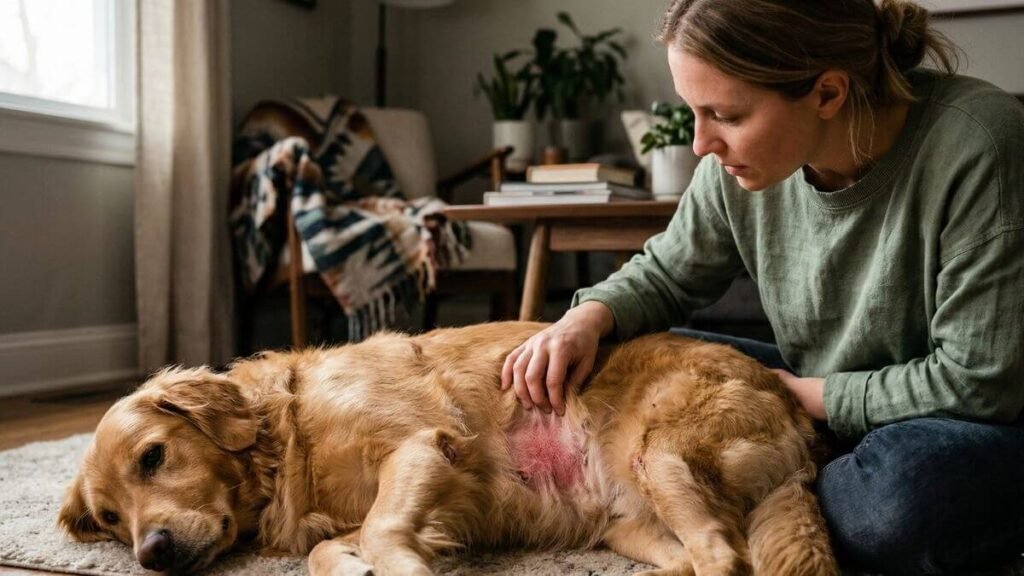
Fungal skin infections in dogs are far more common than most owners realize—and they are frequently misdiagnosed. Yeast overgrowth, ringworm, and environmental molds can cause relentless itching, patchy hair loss, thickened skin, and secondary bacterial infections that complicate recovery. Left untreated, these infections worsen steadily and can spread to other pets or to people in your household.
This guide covers everything you need to know about fungal dermatitis in dogs: the specific types, how to spot them, what your veterinarian will do to diagnose the problem, which treatments actually work, and how to prevent recurrence. The goal is to help you move from frustration to a clear action plan.
What Are Fungal Skin Infections in Dogs?
A fungal skin infection—technically called dermatophytosis or superficial fungal dermatitis—occurs when a fungus colonises the skin surface, hair follicles, or nails. In dogs, three main groups of fungi are responsible:
- Dermatophytes (ringworm) – contagious fungi that feed on keratin in skin, hair, and nails. Microsporum canis is the most common species.
- Malassezia pachydermatis – a yeast that normally lives on dog skin in low numbers but multiplies rapidly when the skin barrier is compromised.
- Environmental fungi (e.g., Aspergillus, Blastomyces dermatitidis, Histoplasma capsulatum) – less common but often more serious, capable of causing deep or systemic infections.
Unlike bacterial infections, which can sometimes resolve with brief treatment, fungal infections tend to be chronic and require weeks to months of targeted therapy. A common mistake owners make is treating the itching without addressing the underlying fungal cause—leading to a frustrating cycle of temporary relief followed by relapse.
Common Types of Fungal Skin Infections in Dogs
Ringworm (Dermatophytosis)
Despite its misleading name, ringworm is not a worm—it is a fungal infection caused primarily by Microsporum canis, Microsporum gypseum, or Trichophyton mentagrophytes. Ringworm is zoonotic, meaning it can pass from dogs to humans.
Typical signs:
- Circular patches of hair loss with scaling, crusting, or redness at the border
- Broken hairs that look like stubble rather than cleanly shed fur
- Mild to moderate itching (though itching may be absent entirely)
- Lesions most often on the head, ears, paws, and tail
Ringworm spores are remarkably hardy. They can survive on bedding, brushes, carpets, and furniture for up to 18 months without a host. This is why environmental decontamination is just as important as treating the dog itself.
Yeast Dermatitis (Malassezia)
Malassezia pachydermatis is a yeast that lives harmlessly on most dogs. When conditions change—immune suppression, allergies, or trapped moisture in skin folds—the yeast overgrows and triggers inflammation.
Typical signs:
- Greasy, red, or thickened skin, especially in folds, armpits, and between toes
- A strong musty, rancid, or “corn chip” odour that is distinctly different from normal dog smell
- Intense itching, licking, and chewing at the paws and belly
- Brownish, waxy discharge in the ears with a yeasty smell
In practice, yeast infections often occur alongside bacterial infections. Your veterinarian may find both organisms on the same skin sample, which is why treating one without the other frequently leads to incomplete recovery.
Deep Fungal Infections
Systemic fungi like Blastomyces dermatitidis, Histoplasma capsulatum, and Coccidioides immitis enter the body through inhalation. These infections affect internal organs first—typically the lungs—and can spread to the skin secondarily.
What to look for:
- Nodules or draining tracts on the skin that ooze pus or blood
- Ulcerated lesions that do not heal
- Coughing, difficulty breathing, or lethargy
- Lameness if bones are involved
- Weight loss and fever
Deep fungal infections are serious and require aggressive veterinary care, often with months of oral antifungal medication. They are diagnosed through biopsy, blood tests, or urine antigen testing.
What Causes Fungal Skin Infections in Dogs?
Fungi are everywhere in the environment. A healthy dog with an intact immune system and skin barrier can usually keep them in check. Infections develop when one or more risk factors tip the balance.
| Risk Factor | Why It Matters |
|---|---|
| Warm, humid weather | Fungi multiply rapidly in moist conditions; cases peak in summer and early autumn |
| Poor grooming or matted fur | Trapped moisture creates a breeding ground for yeast and dermatophytes |
| Compromised immune system | Puppies, senior dogs, and those on immunosuppressive drugs (like corticosteroids or cyclosporine) are at higher risk |
| Contact with infected animals | Ringworm spreads via spores on bedding, brushes, collars, or direct contact with an infected pet or person |
| Underlying allergies | Allergic dermatitis damages the skin barrier, allowing yeast to overgrow; food allergies, flea allergy dermatitis, and atopy are common triggers |
| Excessive bathing | Over-washing with harsh shampoos strips beneficial oils and disrupts the skin microbiome |
| Endocrine disorders | Hypothyroidism and Cushing’s disease weaken immune function and predispose dogs to recurrent infections |
A common mistake when treating these infections is assuming a single cause. In practice, fungal infections often develop when two or more of these factors combine. Addressing only the fungus while ignoring the underlying allergy or hormonal imbalance almost guarantees the infection will return.
Symptoms to Watch For
Not every itch is fungal. These are the distinguishing signs that point toward a fungal cause:
- Circular or irregular bald patches with scaly, crusty borders—especially on the head, ears, and paws
- Brittle, broken hairs that look like stubble rather than smooth hair loss
- Thickened, elephant-like skin in chronic, long-standing cases
- Greasy or waxy coat with a distinctive musty or rancid odour
- Reddened, inflamed skin between the toes, in the armpits, or in skin folds
- Dark brown ear discharge with a yeasty smell, often accompanied by head shaking
- Nail deformities—crumbling, discoloured, or infected nails that may lift from the nail bed
If your dog shows any combination of these signs, a veterinary exam is warranted. Self-diagnosis using internet forums or over-the-counter products often wastes weeks of time and money while the infection spreads.
How Vets Diagnose Fungal Skin Infections
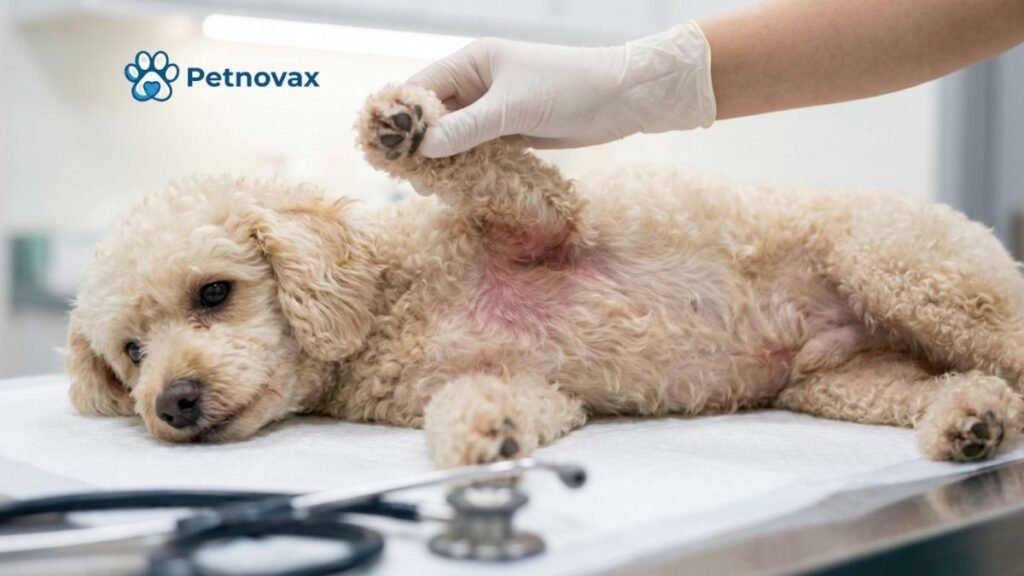
Accurate diagnosis is essential because symptoms of fungal infections overlap heavily with bacterial infections, mange mites, demodicosis, and allergic skin disease. Treating yeast with a ringworm medication will not work, and vice versa.
A veterinarian may use one or more of these methods:
Wood’s lamp examination – About 50% of Microsporum canis strains fluoresce apple-green under ultraviolet light. A negative result does not rule out ringworm.
Hair pluck and fungal culture – This remains the gold standard. Hairs and skin scales are placed on a special culture medium (DTM). Fungal growth is visible in 7–14 days. Positive cultures also confirm the specific species, which guides treatment decisions.
Cytology – A clear tape strip or swab is pressed against affected skin, stained, and examined under a microscope. Yeast cells appear as rounded “peanut” or “snowman” shapes. Dermatophytes show branching hyphae. This test is fast—results in minutes—and is often the first step.
Skin biopsy – Reserved for deep or atypical infections when standard tests are negative. A small punch sample is sent to a pathologist.
PCR testing – Newer and faster than fungal culture, producing results in 24–48 hours. It is more expensive, but useful when you need a rapid answer.
Why diagnosis matters: A yeast infection treated with terbinafine (which works well on ringworm but poorly on yeast) will not improve. A ringworm infection treated only with an antifungal shampoo will persist because the spores remain in the hair follicles. Always get a definitive diagnosis before starting therapy.
Treatment Options for Fungal Skin Infections in Dogs
Topical Therapy
For mild, localised fungal infections, topical treatment is the first line:
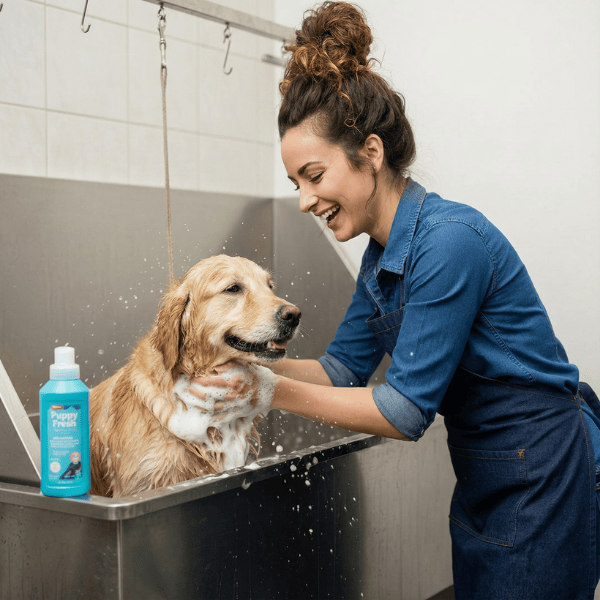
Antifungal shampoos – Products containing 2% ketoconazole, 2–4% chlorhexidine, or miconazole are effective. Bathe twice weekly for at least four weeks. Leave the shampoo on for 10 minutes before rinsing to allow contact time.
Creams and ointments – Clotrimazole, miconazole, or terbinafine cream can be applied to small spots. In practice, these are often ineffective for generalised disease because dogs lick them off within minutes. Using an Elizabethan collar for 15–20 minutes after application improves absorption.
Lime sulfur dips – A 1–2% solution applied weekly. This is commonly used for ringworm, especially in multi-pet households or shelters. It has a strong rotten-egg odour and temporarily stains white fur yellow, but it is highly effective.
Leave-on mousses and wipes – Convenient for spot-treating skin folds, ears, and paws between baths. Look for products with chlorhexidine, miconazole, or ketoconazole.
Systemic Medications
For widespread, deep, or recurrent infections, oral antifungals are necessary:
Itraconazole – Preferred for ringworm. It is safer on the liver than ketoconazole and requires once-daily dosing. Treatment continues for 2–4 weeks beyond apparent clinical cure.
Ketoconazole – An older drug now used less often due to liver toxicity risk and gastrointestinal side effects. It is still used in some cases for yeast infections when itraconazole is not affordable.
Terbinafine – Highly effective against dermatophytes. Often prescribed in combination with topical therapy. It is generally well tolerated.
Fluconazole – Best for deep systemic fungal infections such as blastomycosis and histoplasmosis. It penetrates tissues well but is less effective on superficial dermatophytes than itraconazole or terbinafine.
Important: Never use human antifungal creams or tablets without veterinary guidance. Dosages differ significantly between species, and many human products contain ingredients that are toxic to dogs. Even seemingly harmless human clotrimazole cream can cause gastrointestinal upset if ingested in quantity.
Environmental Decontamination
Ringworm spores survive for months on surfaces. Without thorough environmental cleaning, reinfection is almost certain, regardless of how faithfully you give the medication.
- Vacuum all carpets, upholstery, and pet bedding daily. Dispose of the vacuum bag immediately in a sealed plastic bag.
- Wash bedding, soft toys, and fabric collars in hot water with bleach (1:10 dilution) or a veterinary disinfectant containing accelerated hydrogen peroxide.
- Mop hard floors with an antifungal cleaner.
- Discard brushes, combs, and leashes that cannot be sanitised—or soak them in a disinfectant solution for 30 minutes.
- Limit the dog to easily cleaned areas of the home (rooms without carpet) during treatment.
The American Veterinary Medical Association provides practical guidance on ringworm management in household settings, including detailed environmental protocols—see the AVMA’s dermatophytosis resource page for more details.
Home Care and Prevention
- Keep skin dry – Dry your dog thoroughly after walks, baths, and swimming. Pay special attention to skin folds, between toes, and under the collar. Use a towel followed by a low-heat hairdryer if necessary.
- Manage allergies – Regular flea prevention, hypoallergenic diet trials, and antihistamines (under veterinary guidance) reduce the skin inflammation that invites yeast overgrowth.
- Limit bathing frequency – One to two medicated baths per week is sufficient during treatment. Over-bathing with harsh shampoos strips protective oils and worsens the problem.
- Groom regularly – Brushing removes dead hair and distributes natural oils. For dogs with skin folds (bulldogs, pugs, shar-peis), use a medicated wipe daily in each fold.
- Boost immune function – A high-quality diet rich in omega-3 fatty acids (from fish oil or flaxseed) and probiotics supports a healthy skin barrier. No supplement can replace veterinary treatment, but good nutrition reduces recurrence risk.
- Test for underlying disease – If your dog has recurrent fungal infections despite good care, ask your veterinarian to check thyroid function and run a simple adrenal (Cushing’s) screening test. Treating the underlying condition often stops the infections permanently.
When to See a Veterinarian
Seek veterinary care if your dog has:
- Hair loss that is spreading or not improving after one week of improved home hygiene
- Skin that is red, oozing, or painful to the touch
- A strong odour that does not disappear after a bath
- Ear discharge, head shaking, or a tilted head
- Lethargy, loss of appetite, or lameness—these can indicate systemic fungal infection
Prompt treatment reduces the risk of chronic disease and transmission to family members. A fungal culture costs less than a cabinet full of failed over-the-counter remedies.
Frequently Asked Questions
Can fungal skin infections in dogs spread to humans?
Yes. Ringworm is zoonotic. Microsporum canis and Trichophyton mentagrophytes can infect humans through direct contact with an infected dog or contaminated bedding. Children, the elderly, and anyone with a compromised immune system are at higher risk. Wash your hands after handling your dog, wear gloves when applying topical treatments, and disinfect your home thoroughly during treatment.
How long does it take to treat a fungal skin infection in dogs?
Mild, localised cases may respond in 2–4 weeks of consistent topical therapy. Moderate to severe infections often require 6–12 weeks of oral medication. Treatment continues until two consecutive negative fungal cultures—not until the skin looks better. Stopping early because the dog “looks healed” is the most common reason for relapse.
Is apple cider vinegar effective for dog yeast infections?
Diluted apple cider vinegar (1:1 with water) can be used as a rinse to alter skin pH temporarily and discourage yeast growth. However, it is not a reliable cure for established infections. It may sting on broken or inflamed skin, and it can worsen irritation in some dogs. Always consult your veterinarian before using home remedies.
Can food cause fungal skin infections in dogs?
Food allergies do not directly cause fungal infections, but they damage the skin barrier and create inflammation—conditions where yeast thrives. A diet trial (typically 8–12 weeks on a novel protein or hydrolysed protein diet) may help control the underlying inflammation that allows fungus to take hold.
My dog has a small bald patch—is it always ringworm?
Not necessarily. Localised hair loss can be caused by mange mites, bacterial folliculitis (superficial pyoderma), insect bites, hot spots, or trauma from rubbing. A veterinarian can perform a quick skin scrape or fungal culture to distinguish ringworm from these other conditions.
Are there any home remedies for canine yeast infections?
Plain yogurt (no added sugar) contains probiotics that may support gut health but will not fix a skin infection topically. Coconut oil has mild antifungal properties, but it is greasy, may clog pores, and is rarely strong enough to treat an established infection. Stick to veterinary-approved treatments for reliable results—home remedies are best used only as supportive measures alongside proper medical therapy.
Conclusion
Fungal skin infections in dogs are treatable, but they demand three things: an accurate diagnosis, consistent medication for the full prescribed duration, and thorough environmental cleaning. Ignoring early signs, guessing at the cause, or stopping treatment early because the dog “looks better” are the most common reasons these infections return.
If your dog is itching persistently, losing hair in patches, or has an unusual odour that does not wash away, book a veterinary appointment. Ask specifically about fungal culture or cytology. A proper diagnosis costs a fraction of what you will spend on trial-and-error products from the pet store.
Your next step: Check your dog’s skin today for any bald spots, redness, or flakiness. Run your hands over the coat—feel for greasy patches or bumps. If you spot anything suspicious, call your veterinarian and ask whether a fungal culture is appropriate. Early action saves your dog discomfort, reduces the risk of transmission to your family, and spares you the frustration of chasing a stubborn infection for months.