Skip to content

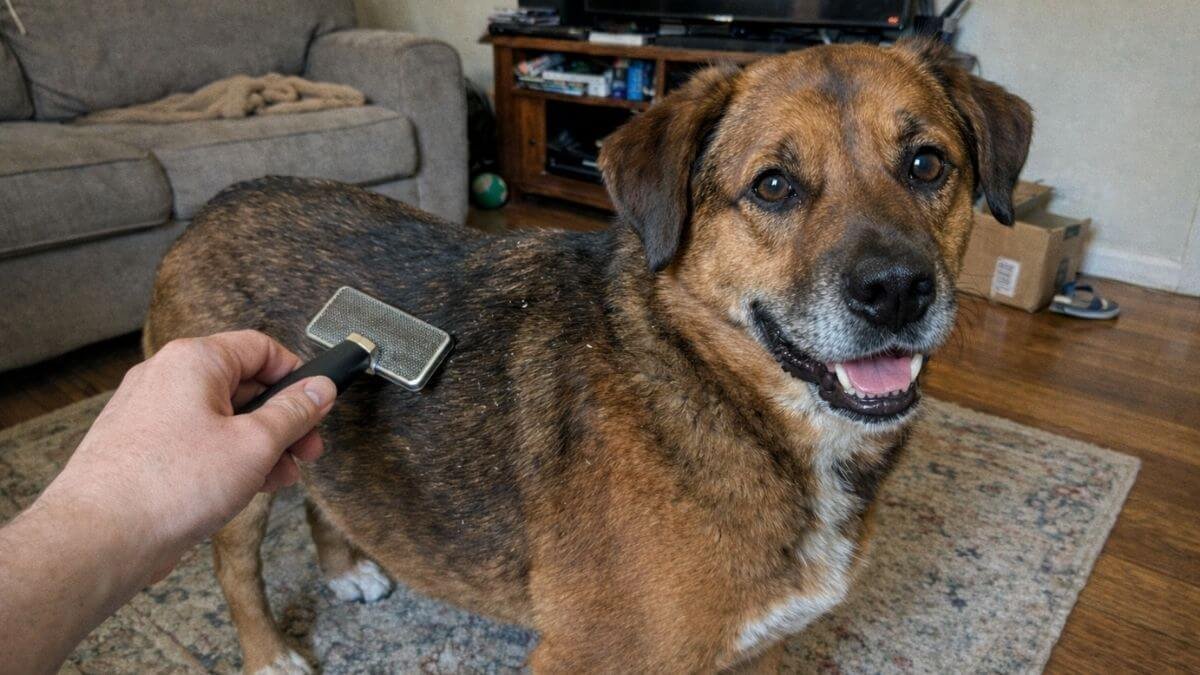
Does your dog have dry skin leading to constant scratching and discomfort? You aren’t alone. Dry skin on dogs occurs when the skin barrier fails to hold moisture effectively. In this guide, we explain how to treat dry skin on dogs using natural moisturizers, diet changes, and safe remedies. We will help you eliminate the itch and permanently restore your pup’s skin health.
We’ll cover
- What Is Dry Skin?
- Signs of Dry Skin on Dogs
- Why Is My Dog’s Skin Dry and Flaky?
- Diagnosing Dry Skin on Dogs
- How to Moisturize Dog Skin (5 Vet-Approved Tips)
- How To Help Dogs with Dry Skin
- Medical Care: When Home Remedies Aren’t Enough
- How to Prevent Dry Skin on Dogs
What Is Dry Skin?
To understand how to help your pet, we must first define what is happening beneath the fur. Dry skin occurs when the epidermis (the outer layer of the skin) loses its ability to maintain hydration and hold moisture. This failure of moisture retention weakens the skin’s protective layer.
When the lipid barrier breaks down, the skin becomes inflamed and dry, eventually leading to rough, cracked skin. This compromised state facilitates the penetration of allergens and bacteria, creating a cycle of irritation. Addressing this early is crucial to preventing secondary infections and ensuring your dog remains comfortable.
Signs of Dry Skin on Dogs

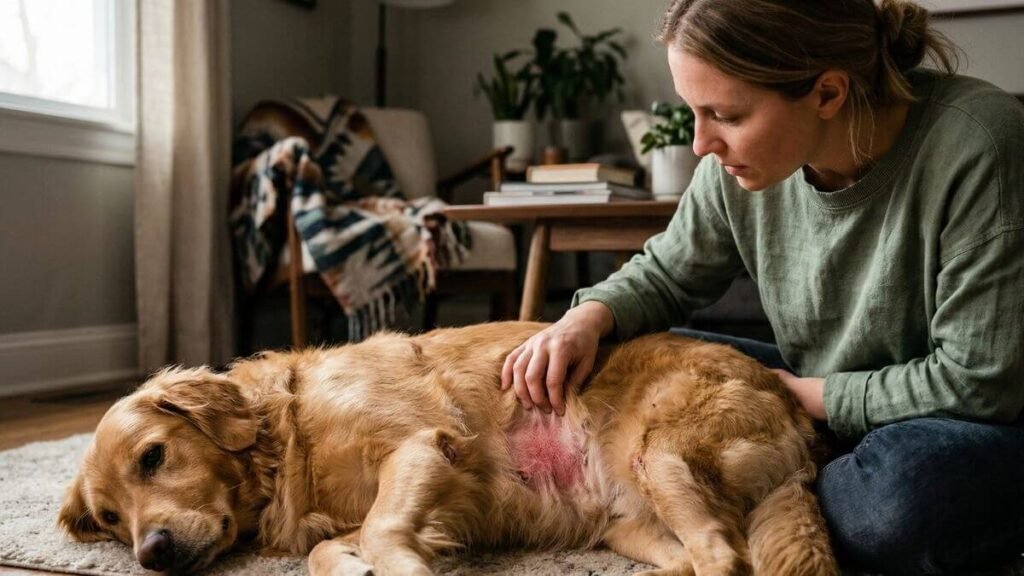
Identifying the symptoms early is key to finding the proper treatment for dry skin in dogs. The most apparent sign is usually excessive scratching, but there are other visual cues you should look for.
- Flaking and Dandruff: You may notice white flakes on the coat, often referred to as flaky skin in dogs or dandruff.
- Irritation: Look for patches of redness, inflammation, or general skin irritation where the dog has been chewing.
- Coat Issues: A dull coat, hair loss, and increased skin odor are common indicators of poor skin health.
- Texture: The skin may feel rough, with scabs, pimples, and areas of increased oiliness mixed with dry patches.
- Severe Symptoms: If left untreated, persistent dog scratching can lead to painful hot spots, paw licking, and swelling due to secondary bacterial or fungal infections.
Why Is My Dog’s Skin Dry and Flaky?
There is rarely a single cause for dogs dry skin. Typically, a combination of environmental, nutritional, and genetic factors is involved. Understanding what causes dry skin in dogs helps you choose the proper remedy.
- Environmental Factors: Seasonal shifts often lead to dry skin in dogs. During winter, low ambient humidity and artificial heating strip moisture from the skin, leading to dry dog skin.
- Allergies: Canine allergies are a massive culprit. Triggers include flea allergies, food allergies, and environmental allergens like pollen or dust mites. Flea allergies typically cause severe dermatitis and skin inflammation.
- Dietary Gaps: Dietary deficiencies are common in dogs fed low-quality kibble. A lack of essential fatty acids, specifically omega-3 fatty acids and vitamin E, impairs the skin’s ability to stay soft.
- Bathing Habits: Using drying shampoos not formulated for pets, or maintaining high bathing frequency with hot water, can strip natural oils, leading to a dog with dry skin.
- Medical Conditions: Chronic conditions such as atopic dermatitis, Cushing’s disease, Hypothyroidism, or skin infections (bacterial/fungal) can manifest as dryness.
- Genetics: Some breeds are genetically predisposed to these issues. American Cocker Spaniels and West Highland Terriers are well known for being prone to skin conditions and often require additional care to prevent dry skin on dogs.
Diagnosing Dry Skin on Dogs
Before you start a home remedy for dry dog skin, it is vital to ensure you are treating the right problem.
- Home Checks: Start by ruling out the obvious. Check for flea infestations using a flea comb. Assess your home environment; low humidity is often the silent cause. Also, verify that you aren’t using harsh soaps or shampoos not designed for dogs.
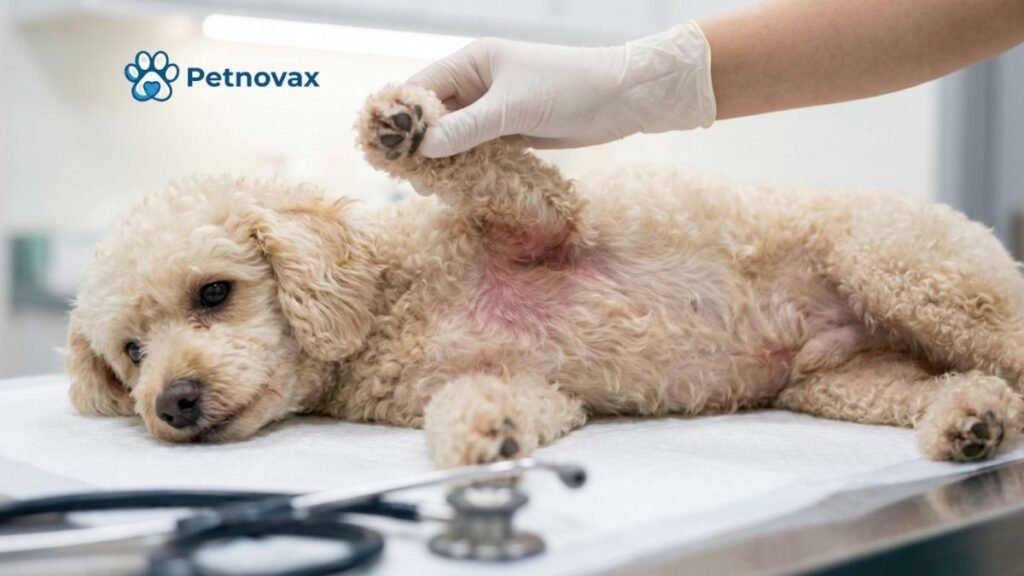
- Vet Consultation: If home adjustments don’t work, seeing a vet is the next step to treat dry skin in dogs effectively. They will take a complete history and perform a physical exam.
- Diagnostic Tests: Your vet may perform skin testing to look for parasites, bacteria, or abnormal cells. Bloodwork is also common to screen for underlying immune or endocrine disorders that might be causing the dry skin in dogs.
How to Moisturize Dog Skin (5 Vet-Approved Tips)
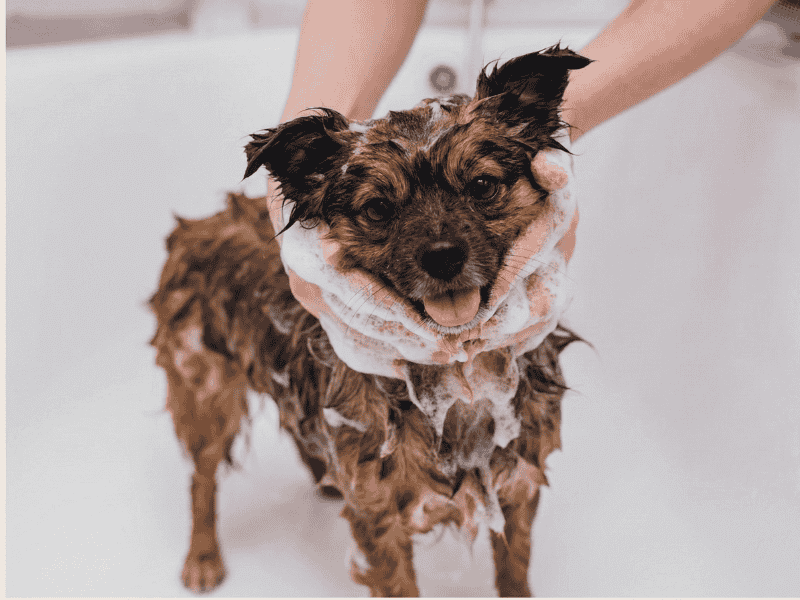
Learning how to moisturize dog skin isn’t just about applying lotion; it requires a combination of proper grooming habits, dietary changes, and the right products. Here are five effective strategies to restore your dog’s skin barrier:
- Regular brushing is the most underrated way to hydrate the skin. For medium to long-haired breeds, daily brushing helps distribute the skin’s natural oils (sebum) throughout the coat. For short-haired dogs, a weekly brushing session is usually sufficient to remove dead skin cells and keep the coat shiny.
- Adjusting Bath Schedules Over-bathing is a primary cause of dryness. Unless you are treating a specific skin infection or allergy, you should bathe your dog no more than once a month. Frequent washing strips away natural oils, leaving the skin vulnerable.
- Choosing the Right Shampoo: Avoid harsh chemical shampoos that disrupt the pH balance. Instead, look for an oatmeal shampoo or a medicated option if prescribed by your vet. Ask your veterinarian about using an oatmeal conditioner after the bath to lock in moisture.
- Dietary Adjustments: True hydration starts from the inside. Adding omega-3 (found in fish oil) and vitamin E to your dog’s diet can drastically improve skin elasticity and reduce flakiness. Always consult your vet regarding the proper dosage for these supplements.
- Topical Solutions: If internal methods aren’t enough, you may need a direct dog skin moisturizer. These come in various forms, such as sprays, leave-on conditioners, and skin-care collars. When choosing the best moisturizer for dogs, look for ingredients like oatmeal extract, coconut oil, and vitamin E. Always perform a patch test on a small area first to ensure the product doesn’t cause irritation.
How To Help Dogs with Dry Skin
Now that you understand the symptoms, it is time to explore effective remedies for dry skin. Here are 10 simple solutions to soothe your pup’s condition:
1. A Well-Balanced Diet
Optimal skin health is achieved from the outside in. Before trying other treatments, examine your dog’s diet; to stay healthy, they need a complete, balanced diet containing protein, fat, carbohydrates, vitamins, minerals, and plenty of water. Dietary deficiencies, notably when a diet lacks essential nutrients, can lead to dry skin and other health problems. Fats are particularly critical for maintaining healthy, moisturized dog skin.
2. Coconut Oil
Even with a healthy diet, some dogs experience dry skin; in these cases, coconut oil is an effective home remedy. It acts as a fantastic natural moisturizer and possesses potent antibacterial, antiviral, and antifungal properties. You can warm the oil in your hands and apply it to the skin to soothe it. While topical creams are often licked off, coconut oil is safe; its fatty acids help moisturize the skin from the inside out, even if ingested.
3. Vitamin E Oil
Vitamin E oil is another healthy option for moisturizing. You can apply the oil directly to dry patches to promote healing. It also acts as an antioxidant and can be administered as an oral supplement to help relieve inflammation and protect your dog from cellular damage.
4. Chamomile or Green Tea Bath
Chamomile and green tea help soothe irritated and inflamed skin. To treat hot spots, brew a single tea bag, let it cool, and apply it to the affected areas. If your dog has itchy skin, a green tea bath is effective: steep several bags in a warm bath and let your dog soak for 5-10 minutes.
5. Apple Cider Vinegar
Yeast infections often cause dry, itchy skin; apple cider vinegar can help restore skin flora and eliminate yeast. Create a 50/50 solution with water and spray it on specific spots. Caution: If dog scratching has caused raw spots, do not apply this solution, as it can cause painful stinging. A vet should see hot spots.
6. DIY Oatmeal Shampoo
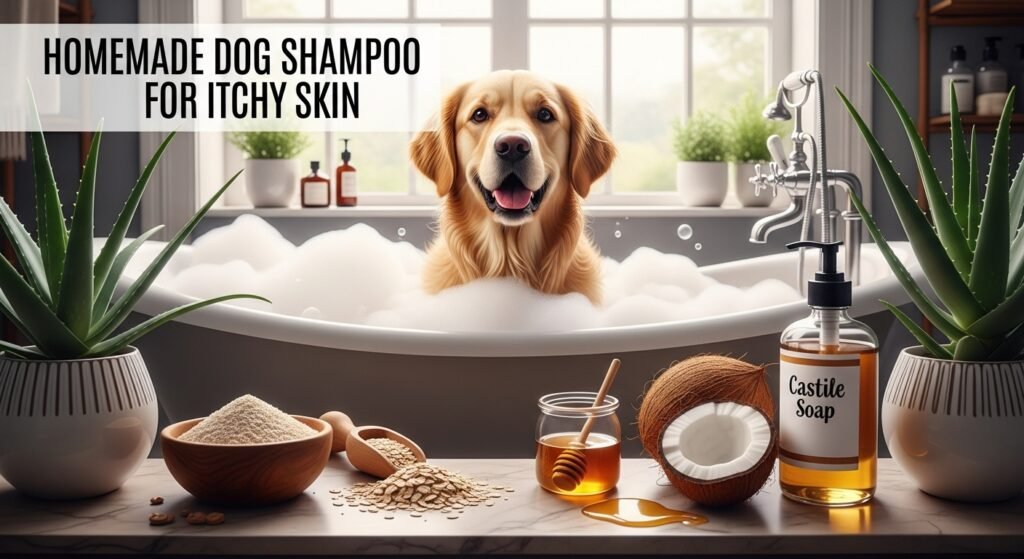
Oatmeal contains avenanthramides and phenols, which have anti-inflammatory properties that help relieve irritation. Oatmeal also forms a protective barrier on the skin, aiding moisture retention. To make an oatmeal shampoo for dogs, grind ⅓ to 1 cup of oats into a fine powder, then mix it into a warm bath until the water turns milky. Adding olive oil can increase the moisturizing effects.
7. Olive Oil
Olive oil is a moisturizing oil that helps protect dry skin. While used topically, it is most commonly recommended by vets as an additive to daily meals. Adding 1 tablespoon to meals 2-3 times per week is an effective way to moisturize dogs’ skin and promote a shiny coat.
8. Plain, Unsweetened Yogurt
Digestive issues often lead to skin problems; when the microbiome is unbalanced, yeast and bacteria build up. Yogurt is a probiotic that helps balance the GI tract. Many vets recommend adding a teaspoon or two of plain, unsweetened yogurt to meals 2-3 times a week, though you should consult your vet first, as some dogs have trouble digesting it.
9. Humidifier
Dry skin in dogs is frequently caused by dry air from winter weather or air conditioning. A humidifier adds moisture to the home, which can naturally soothe the skin, but you must monitor your dog to ensure the environment doesn’t become too humid.
10. Epsom Salt Soak
Older dogs may benefit from a warm Epsom salt soak. A warm soak with a few tablespoons of salt helps with rough, dry paw pads and elbows. It also helps exfoliate, making the coat smoother and softer.
How to Prevent Dry Skin on Dogs
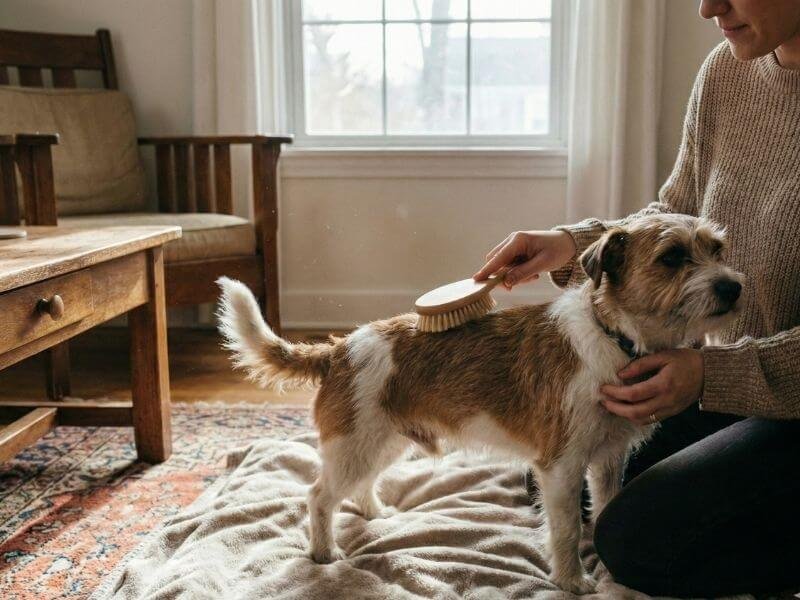
Once you know how to treat dry skin on dogs, the goal is prevention. Here is what to do if your dog has dry skin prone to returning seasonally.
- Maintain a Routine: Feed high-quality dog food year-round and stick to monthly flea preventatives to avoid allergic flare-ups.
- Smart Bathing: Adjust your bathing frequency. Unless treating an infection, bathe monthly using lukewarm water and dry shampoo for dogs in between to avoid stripping natural oils.
- Daily Grooming: Brush your dog regularly. This distributes natural sebum across the coat, acting as a barrier against dryness.
- Humidity Control: Keep your home humidity levels between 40–60% using a humidifier.
- Ongoing Support: Discuss the long-term use of omega-3 fatty acids or fish oil for dogs with your vet. Be careful with dosage to avoid digestive upset.
- Health Checks: Regular blood screenings at annual check-ups are vital to catching systemic diseases like Hypothyroidism early, which is often a hidden cause of dry skin on dogs.
Medical Care: When Home Remedies Aren't Enough
While home remedies provide relief for mild cases, they are not a cure-all. If symptoms persist despite your best efforts, you must consult a veterinarian to diagnose the cause and prescribe the appropriate treatment for dry skin in dogs.
- Persistent Itching: If your dog is scratching to the point of creating open sores or bleeding, stop home treatments immediately.
- Yeast & Bacterial Infections: Skin infections often result from fungi and bacteria entering broken skin. If your dog has lesions, a yeasty odor, and constant itching, they require professional care.
- Aging Skin: As dogs age, their skin becomes thinner and produces less oil. While oils help, a vet may prescribe a medicated shampoo to address these specific age-related issues.
- Underlying Diseases: Issues like Hypothyroidism or Cushing’s disease require medication, not just moisturizers. A simple blood test can rule these out.
Conclusion
Seeing your pet suffer from an itch they can’t scratch away is heartbreaking, but learning how to treat dry skin on dogs is easier than you think. By identifying the root cause, whether it is dry winter air, dietary gaps, or allergies, you can take the proper steps to restore their comfort.
Start by improving their diet with essential fatty acids, using natural options such as coconut oil, and maintaining a proper grooming schedule. Remember, consistent care is the best way to cure dry skin in dogs and prevent it from returning. With these tips, your furry friend will be back to having a shiny, healthy coat in no time.
FAQs
What is the best remedy for dry skin on dogs?
The best approach often starts with a well-balanced diet to improve health from the inside out. For immediate relief, coconut oil, vitamin E oil, and oatmeal baths are effective dry skin remedies.
How do I moisturize my dog’s skin?
You can moisturize dog skin by applying natural moisturizers like coconut oil or vitamin E oil directly to dry patches. Using a DIY oatmeal shampoo or adding a humidifier to your home also helps maintain moisture.
What does dog dermatitis look like?
Skin issues often manifest as skin redness, irritation, dandruff (flakes), hair loss, pimples, scabs, or increased oiliness.
What is the best moisturizer for dog skin?
Coconut oil is widely considered a fantastic natural moisturizer because it also has antibacterial and antifungal properties. Vitamin E oil and olive oil are also highly recommended.
Why does my dog have dry, flaky skin and scabs?
This is often caused by environmental factors (dry air), allergies, external parasites (fleas), dietary deficiencies, or skin infections. Scabs often result from excessive scratching due to the itch.
Can I rub coconut oil on my dog?
Yes. You can warm coconut oil in your hands and apply it directly to your dog’s dry skin or coat to soothe irritation.
What happens if I don’t rinse coconut oil off my dog?
It is safe to leave on. If your dog licks it, the fatty acids in the oil will simply help moisturize dog skin from the inside out.
What oil helps dogs with dry skin?
Coconut oil, vitamin E oil, and olive oil are excellent for topical use. Additionally, fish oil for dogs (rich in omega-3 fatty acids) is best for internal health.
Is it okay if dogs lick coconut oil?
Yes, it is perfectly safe. Coconut oil is edible, and consuming it provides healthy fats that support the skin and coat.