Skip to content

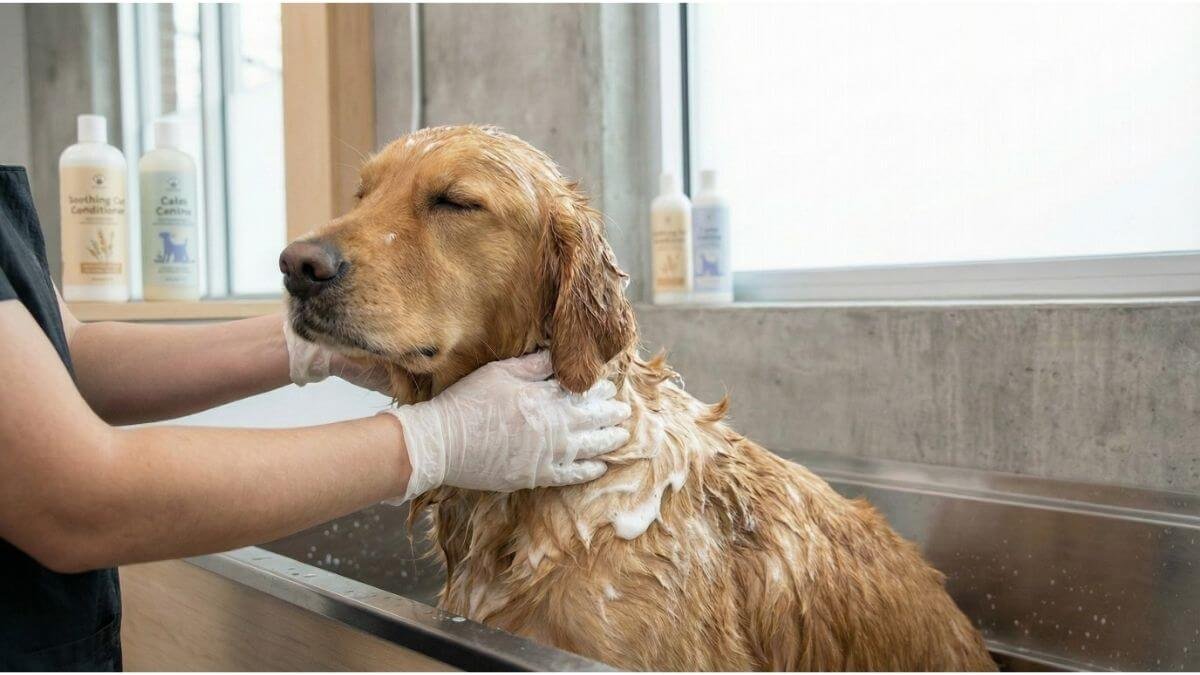
Is your dog still itchy after a bath? Does your pup suffer from dry flaky skin that never seems to settle? Many owners find themselves using shampoo frequently for allergies, yet they overlook the most vital step in the grooming process. This guide explores why a dog conditioner for itchy skin might be the missing link in your pet’s skin and coat routine.
Featured Snippet: The Quick Answer
Yes, a dog conditioner for itchy skin can help when itching is caused by dryness, frequent bathing, or shampoo residue by improving moisture and coat comfort. By supporting the skin’s moisture barrier, conditioner can help reduce itching when dryness or frequent bathing is the trigger. However, conditioner won’t treat fleas, seborrheic dermatitis, or severe skin allergies; those require targeted veterinary care.
60-Second Checklist: Should You Use Conditioner or Something Else?
Before applying any product, you must identify the source of the pruritus (medical term for itching). Using a moisturizing conditioner on a bacterial infection might actually trap moisture and worsen the problem. Use this checklist to determine your next move:
Conditioner likely helps if…
- Your dog has itchy dry skin that feels rough or looks flaky.
- You notice a mild itch specifically after baths, suggesting shampoo residue.
- You maintain a frequent bathing schedule to manage seasonal allergies.
- The coat feels “crunchy” or lacks a natural shine.
- You need a dog conditioner for dry itchy skin to soothe irritated skin from low indoor humidity.
Conditioner won’t solve it if…
- A strong odor plus greasy skin can suggest yeast/bacterial overgrowth or another skin issue, so a vet check (and a targeted treatment plan) may be needed.
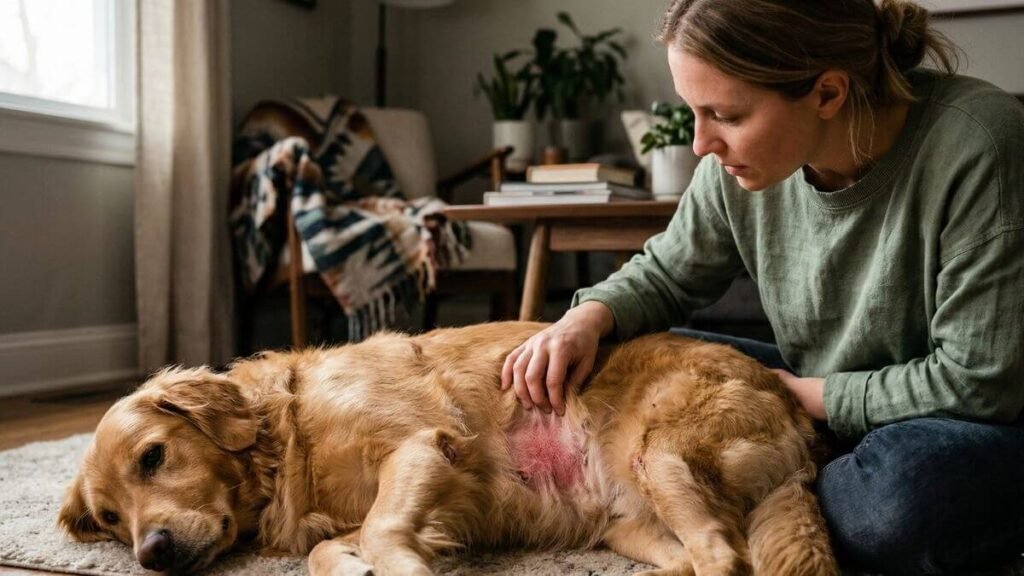
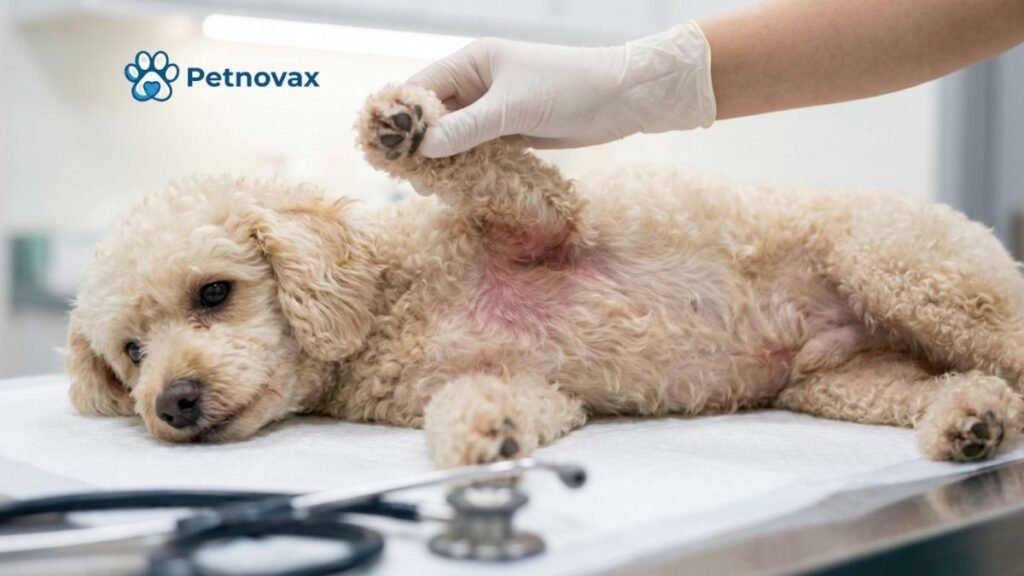
- You see red inflamed skin patches or “hot spots” that feel warm to the touch.
- The dog has visible bald patches or open, oozing sores indicating skin infections.
- You find flea dirt or see intense biting at the base of the tail.
If your dog displays these severe signs, you likely need a medicated shampoo containing chlorhexidine gluconate or a visit to the vet for Apoquel or a steroid injection.
What Dog Conditioner Actually Does (and Why It Can Reduce Itch)

Many owners view conditioning as a luxury, but for a dog with skin conditions, it serves as a biological necessity.
Moisture + Barrier Support
The skin barrier acts as the first line of defense against environmental irritants. When you wash your pet, even with a hypoallergenic shampoo, the soap can strip away natural lipids. Consequently, the moisture barrier weakens, allowing allergens to penetrate the skin. A high-quality dog conditioner for itchy skin replaces these lost lipids, effectively sealing the skin barrier and providing itch relief.
Reduces Friction from Brushing & Tangles
Matted hair pulls on the sensitive dermis, causing constant low-level pain and inflamed skin. Furthermore, dry hair is prone to static and friction. Conditioning smooths the hair cuticle, ensuring coat health by making detangling simple. This procedure prevents the mechanical irritation that often leads to a cycle of scratching.
Helps Rinse Away Lingering Shampoo Residue
Notably, shampoo residue is a leading cause of post-bath itching. The cationic surfactants in conditioner can help reduce post-bath irritation by softening the coat and helping you rinse more thoroughly, which lowers the chance of residue-triggered itching. Therefore, learning how to use dog conditioner for itchy skin correctly ensures you remove every trace of irritating soap, providing immediate relief.
Leave-In vs. Rinse-Out Conditioner: Which One Is Better for Itchy Skin?
Choosing between a leave-in conditioner and a rinse-out formula depends on your dog’s specific skin allergies and coat texture.
Leave-in Conditioner (Pros/Cons)
A leave-in conditioner for dogs itchy skin remains on the coat to provide continuous skin hydration.
- Pros: Best for use between baths; excellent for itchy, dry skin in winter; provides long-lasting skin comfort.
- Cons: There is a risk of residue buildup if overused; it can make fine hair look greasy.
Rinse-out Conditioner (Pros/Cons)
A rinse-out dog conditioner for itchy skin is a standard part of the bathing routine.
- Pros: Best for deep conditioning after a medicated shampoo; superior for detangling thick coats.
- Cons: Can worsen itch if you do not rinse it perfectly; requires more time in the tub.
How to Choose the Right Conditioner (Label Checklist)
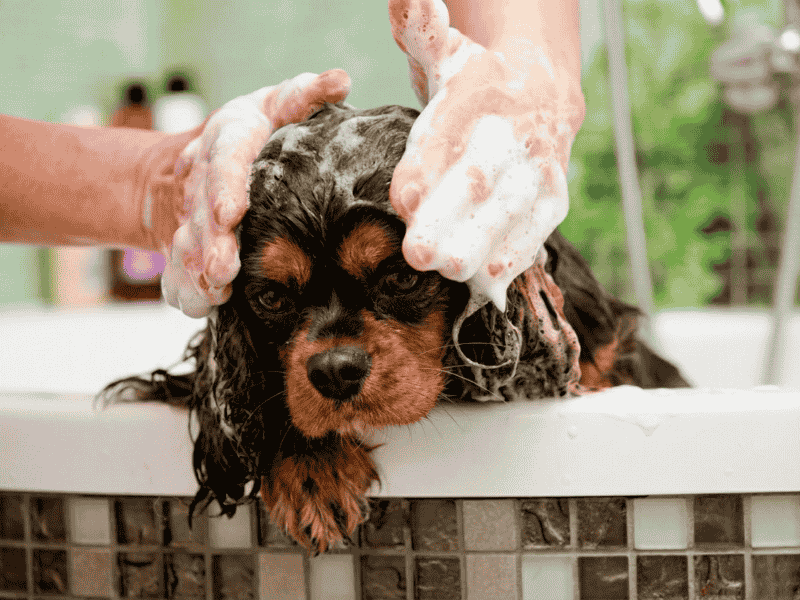
Pick fragrance-free first if your dog has sensitive skin or you’re not sure what triggers the itch. “Lightly scented” can still irritate some dogs.
Match the format to the routine:
- Rinse-out: best right after shampooing
- Leave-in/spray: best between baths for quick comfort
Match to coat type:
- short coat → lightweight, non-greasy
- double coat → rinse-out works well if you rinse deeply
- long/doodle coat → conditioning helps prevent mats (a common itch trigger)
Scan the ingredient list: look for oatmeal/aloe/ceramides; avoid heavy fragrance, dyes, and harsh alcohols.
Comparison: Choosing the Right Format
| Feature | Rinse-Out Conditioner | Leave-In Conditioner/Spray |
|---|---|---|
|
Primary Use
|
After shampooing in the tub
|
Between baths or as a final step
|
|
Residue Risk
|
High (if not rinsed well)
|
Low (if applied lightly)
|
|
Best For
|
Heavy coats and deep hydration
|
Quick itch relief and daily use
|
|
Effectiveness
|
Immediate skin calming
|
Long-term barrier support
|
When Conditioner Helps (Best Scenarios)
The best dog conditioner for itchy skin shines in specific environmental conditions.
- Itchy After Bath: If your dog scratches as soon as they dry, they likely suffer from a pH imbalance or soap residue. Conditioning provides immediate relief by resetting the skin’s natural chemistry.
- Winter Dryness: Low humidity indoors pulls moisture from the skin and coat. Regular use of soothing ingredients like shea butter prevents the skin from cracking.
- Allergy Management: Pups with seasonal allergies need frequent baths to wash away pollen. However, frequent washing destroys the moisture barrier. Conditioning after every wash restores this protection.
Want to identify the real triggers (pollen, food, contact irritants)? Check our dog skin allergies guide
Coat Type Needs:
- Short Coat: Needs a lightweight, hypoallergenic dog conditioner for itchy skin to avoid clogging pores.
- Double Coat: Requires a deep-penetrating rinse-out to reach the skin beneath the dense undercoat.
- Long/Doodle Coat: Essential for preventing the mats that lead to dermatitis.
When Conditioner Will NOT Fix Itchy Skin (and What to Do Instead)
You must recognize the limits of topical treatment. If your dog has a medical issue, a conditioner might only offer temporary skin comfort while the underlying problem grows.
Yeast/Bacteria Signs
If your dog has a foul odor, greasy coat, or redness, it may suggest yeast/bacterial overgrowth or another skin issue. In these cases, a vet may recommend a targeted plan, which can include antiseptic/medicated shampoos (often chlorhexidine-based) depending on the diagnosis. These products can help reduce microbial overgrowth and relieve itching when infection is a factor.
Fleas and Mites
Parasites require pharmaceutical intervention. Use a flea-specific topical treatment or oral medication. While coconut oil may soothe the bites, it will not kill the infestation.
Hot Spots & Severe Allergies
For oozing hot spots, do not use a thick conditioner. Instead, use a medicated spray or medicated wipes to dry the area. If your dog shows severe signs (odor and greasy skin, oozing sores, hair loss, intense itching), a vet may recommend medicated shampoos and/or prescription treatments depending on the underlying cause
Ingredients Checklist: What to Look For in a Conditioner

To provide true skin healing, you must select a product with organic ingredients that support the skin barrier.
Soothing Ingredients (Good)
- Colloidal Oatmeal: A legendary ingredient that creates a protective film to provide itch relief.
- Aloe Vera: Offers a cooling sensation and immediate relief for inflamed skin.
- Shea Butter / Cocoa Butter: Rich in fatty acids that repair the moisture barrier.
- Ceramides: These natural proteins help “glue” the skin cells together, strengthening the skin barrier.
- Glycerin: A gentle humectant that draws moisture into the skin.
Sensitive-Skin Friendly Signals
Always look for a fragrance-free dog conditioner for sensitive skin. Essential indicators of a safe product include labels like “pH-balanced for dogs” and “hypoallergenic,” which can be helpful, but always check the full ingredient list, especially these 15 ingredients to avoid in dog shampoo.
Ingredients to Avoid (Itch Triggers)
- Strong Fragrance/Parfum: These are the most common triggers for allergic reactions.
- Harsh Chemicals: Avoid parabens and sulfates that strip the coat.
- Harsh Alcohols: Ingredients like isopropyl alcohol cause extremely itchy, dry skin.
- Dyes: Artificial colors provide no benefit and often irritate sensitive skin.
Patch Test (First-Time Safety Protocol)
If your dog is prone to allergies, do a quick patch test before using a new conditioner:
- Apply a tiny amount to a small area (inner thigh or belly).
- Wait 24 hours.
- If you see redness, increased itching, hives, or your dog keeps licking the spot, stop and rinse with plain water.
- Switch to a simpler, fragrance-free formula.
Can Dog Conditioner Make Itching Worse?
Surprisingly, yes. Even the best leave-in conditioner for dogs with itchy skin can backfire if used incorrectly.
Top Reasons It Gets Worse
- Not Rinsing Fully: Remaining rinse-out conditioner traps dirt and bacteria, leading to dermatitis.
- Scented Formulas: Many “natural” essential oils are actually harsh chemicals to a dog with an active allergy flare.
- Over-Application: Using too much leave-in conditioner creates a greasy buildup that prevents the skin from breathing.
- Broken Skin: Applying heavy creams to hot spots or open wounds can trap infections and slow skin healing.
The Quick Fix
If your dog seems itchier after grooming, switch to a fragrance-free dog conditioner for sensitive skin. Additionally, ensure you rinse the coat twice as long as you think you need to. Notably, always perform a patch test on a small area of the belly before a full-body application.
How to Use Dog Conditioner for Itchy Skin (Step-by-Step)
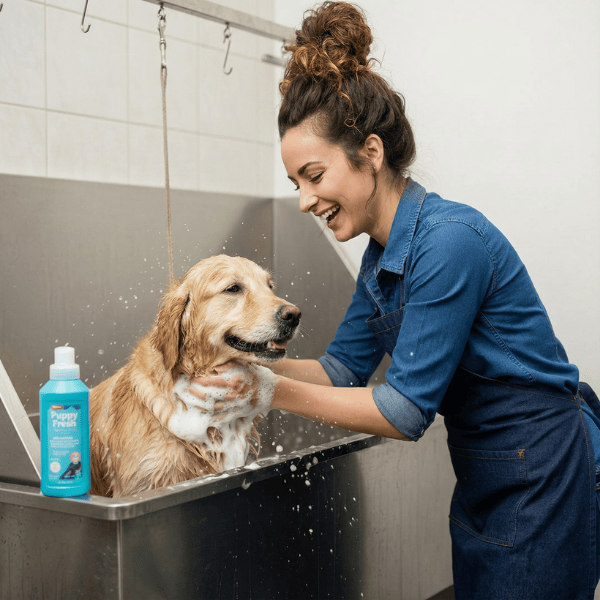
Mastering how to use dog conditioner for itchy skin ensures the soothing ingredients actually reach the skin.
Rinse-Out Method (After Shampoo)
- Shampoo: Wash with a hypoallergenic shampoo and rinse until the water is completely clear.
- Apply: Distribute the conditioner from the neck down. Ensure you reach the belly and armpits, where skin allergies often flare.
- Wait: This moment is the “Contact Time.” You must leave the conditioner on for 3–5 minutes. This time frame allows the moisture barrier to absorb the nutrients.
- Rinse: Rinse with lukewarm water until you feel no “slime” on the coat.
- Dry: Pat dry gently. Do not rub, as friction increases irritated skin.
Leave-In Method (Between Baths)
- Light Mist: Apply a small amount of leave-in conditioner for dogs itchy skin to a dry or damp coat.
- Massage: Rub the product into the skin, not just the fur.
- Brush: Use a soft brush to distribute the product and prevent bald patches caused by tangles.
How Often Should You Use Conditioner?
Finding the right frequency prevents both dryness and greasy buildup.
- For Dry Itch: Start with a schedule of 1–2 times per week during flares.
- For Long Coats: Use small amounts of leave-in conditioner more often to prevent matting.
- For Maintenance: Apply a rinse-out conditioner every time you bathe your dog.
Signs of Over-Conditioning
If the coat feels greasy, you see product buildup, or the itch actually increases, you should pause the routine and reassess the cause.
Conditioner vs. Medicated Shampoo vs. Oatmeal Shampoo
| Product | Primary Purpose | Best For |
|---|---|---|
|
Conditioner
|
Moisture & Barrier Support
|
Itchy dry skin, post-bath comfort
|
|
Oatmeal Shampoo
|
Soothing Mild Itch
|
General sensitive skin maintenance
|
|
Medicated Shampoo
|
Treating Infections
|
Seborrheic dermatitis, yeast, bacteria
|
Mini Best Choices Section
- Best for Fragrance-Free: Look for products labeled specifically for sensitive skin that omit essential oils.
- Best Leave-In Style: Select a spray containing aloe vera and colloidal oatmeal for immediate relief.
- Best Budget Rinse-Out: A basic hypoallergenic shampoo and conditioner set often provides sufficient skin hydration for healthy pups.
When to See a Vet
Conditioning is a home support tool, not a substitute for professional medicine. You must see a vet if:
- You notice a foul odor combined with a greasy coat.
- You see bleeding, oozing, or scabbing hot spots.
- Your dog has sudden, localized bald patches.
- The pruritus persists for more than 7 days despite your efforts.
FAQs
Can I use human conditioner on my dog?
No. Humans have acidic skin, while dogs have a more alkaline pH. Using human products destroys the canine skin barrier and invites skin infections.
Should I condition my dog for every bath?
Yes. Every time you shampoo, you remove lipids. Conditioning ensures those lipids are replaced, preserving skin comfort.
How long should I leave the conditioner on?
For therapeutic effects, you should leave it on for 3–5 minutes. This “contact time” is necessary for the moisture barrier to absorb the soothing ingredients.
Is leave-in conditioner safe for puppies?
Yes, provided it is a hypoallergenic dog conditioner for itchy skin specifically labeled for puppies. Avoid harsh chemicals.
Can conditioner help yeast itch?
Not directly. Yeast requires a medicated shampoo with chlorhexidine gluconate. However, a fragrance-free conditioner can soothe the skin after the medicated wash.
Can conditioner cause dandruff?
Only if you fail to rinse it off properly can it cause dandruff. Residue flakes off and looks like dandruff, but it is actually dried product.
What if my dog itches more after conditioning?
Stop immediately. Your dog likely has an allergic reaction to an ingredient in the product. Rinse them with plain water.
What’s better: oatmeal conditioner or shampoo?
Conditioner is better for long-lasting itch relief because it stays in contact with the skin longer and seals the moisture barrier.
Is coconut oil conditioner safe?
Yes, coconut oil is a wonderful natural emollient, but ensure it is properly formulated so it doesn’t leave the coat excessively greasy.
Should I brush before or after conditioning?
Brush before the bath to remove mats, then brush after conditioning to distribute the skin hydration benefits.