Skip to content

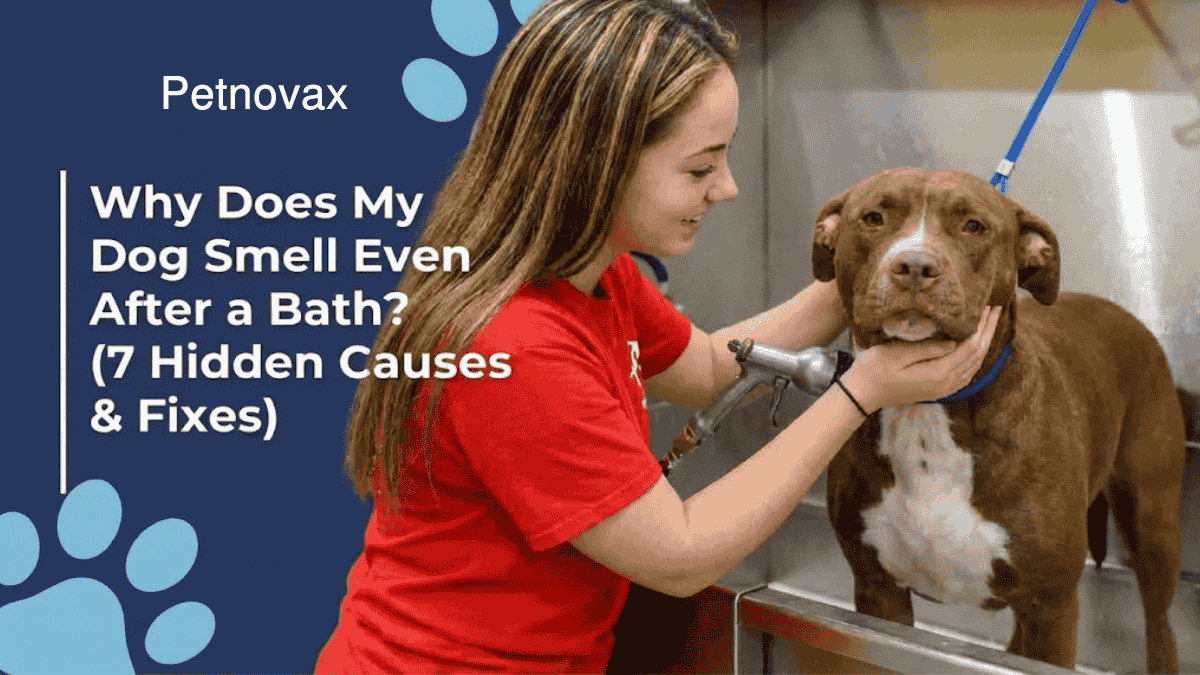
You scrubbed, rinsed, and dried them, yet within hours, the foul odor returned. It is baffling and frustrating. You are left asking a simple but urgent question: Why does my dog smell even after a bath?
This odor isn’t just a grooming failure; it is often a medical warning. A persistent smell, stemming from yeast overgrowth or hidden infections, signifies a compromised skin barrier in your dog. In this expert guide, I will uncover the 7 hidden medical and grooming causes behind this issue and show you exactly how to fix them.
We’ll cover
- Is It Normal for Dogs to Smell After a Bath? (Quick Answer)
- Yeast Infection (Malassezia): The Classic “Corn Chip” Smell
- Bacterial Skin Infection (Pyoderma): Strong, Foul Odor
- Seborrhea (Oily Skin Syndrome) Oily, Rancid Smell
- Ear Infections (Yeast or Bacteria) The Sweet, Rotten Smell
- Anal Gland Problems: Fishy or Metallic Smell
- Dental Disease: Bad Breath That Spreads
- Over-Bathing, Shampoo Residue & Improper Drying
- Lifestyle Causes That Baths Cannot Fix
- How to Stop Your Dog From Smelling After a Bath (Step-by-Step)
- When to See a Vet
Let’s begin with the essential…
Is It Normal for Dogs to Smell After a Bath? (Quick Answer)
First, we must differentiate between a natural scent and a medical problem. A mild wet dog smell immediately after a bath is typical. It occurs when water evaporates from the coat, releasing organic compounds.
However, a smelly dog that emits a sour, yeasty, metallic, or rotting odor is not normal. If the smell returns within hours or never leaves, it is a sign of infection. If you constantly wonder why does my dog smell even after a bath, you are likely dealing with one of the following underlying health issues.
- Typical: Mild, earthy scent while wet.
- Not Normal: Cheesy, fishy, musty, or sour odor.
1. Yeast Infection (Malassezia): The Classic Corn Chip Smell
If your dog smell resembles corn chips, old cheese, or dirty socks, the culprit is almost certainly a yeast infection (scientifically known as Malassezia dermatitis).
Why it happens: Yeast is a fungus that naturally lives on a dog’s skin. However, warm and moist environments cause it to multiply out of control. Bathing without proper drying creates the perfect humid environment for yeast to thrive, leading you to ask Why does my dog smell even after a bath?”
- Key Symptoms: Brown, waxy discharge in ears or paws, greasy coat, red, itchy skin, and a distinct corn chip smell (Frito feet).
- Common Areas: Paws, armpits, groin, and neck folds.
- Solution: You need a medicated anti-fungal shampoo containing chlorhexidine or ketoconazole. Regular shampoo will not kill yeast; it essentially feeds the yeast with the moisture it needs.
Does your dog scratch constantly along with the smell? Read our troubleshooting guide: Why Is My Dog Itching After a Bath?.
2. Bacterial Skin Infection (Pyoderma): Strong, Foul Odor
Does your dog stink like rotting fruit or garbage? This indicates a bacterial skin infection, commonly called pyoderma.
Why it happens: Bacteria love moisture. If your dog has a scratch, bug bite, or fold pyoderma (infection in skin wrinkles), bathwater can trap bacteria under the skin surface. As the bacteria multiply, they release gases that cause a foul odor. This is a primary reason why does my dog smell even after a bath despite your best efforts.
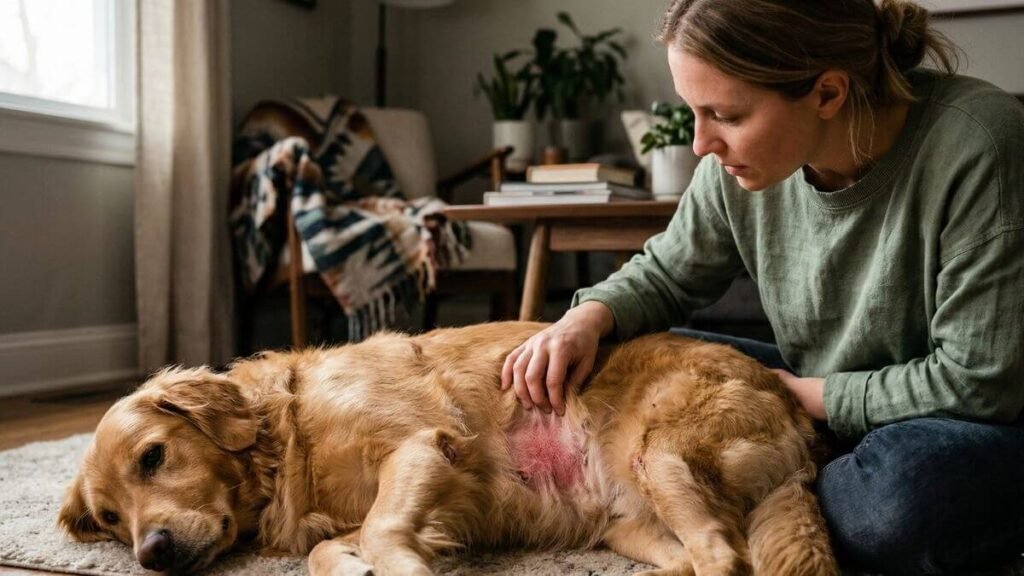
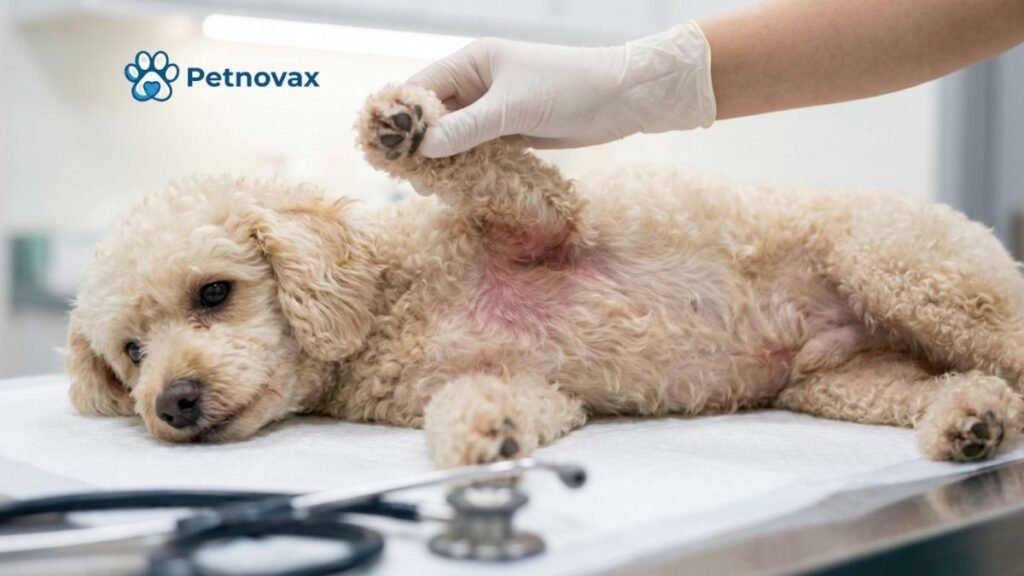
- Key Symptoms: Red bumps (pustules), scabs, crusty patches, and hair loss.
- Solution: This usually requires a veterinary exam. Mild cases may respond to antibacterial shampoos, but severe cases often need antibiotics.
3. Seborrhea (Oily Skin Syndrome) Oily, Rancid Smell
If your dog smells like rancid oil or fat, they may be suffering from seborrhea. This is a genetic or hormonal condition where the sebaceous glands produce excessive oil (sebum).
Why it happens: When you bathe a dog with seborrhea, you might temporarily wash away the oil. However, the skin reacts by overproducing more oil to compensate. This cycle creates a greasy, stinky dog coat within hours of grooming.
- Key Symptoms: Greasy or waxy coat, yellow flakes (dandruff), and a heavy, musty odor.
- Solution: Use a keratolytic shampoo (containing sulfur or salicylic acid) to regulate oil production rather than just stripping it away.
4. Ear Infections (Yeast or Bacteria) The Sweet, Rotten Smell
Occasionally, the dog stinks, but the body is clean. The source? The ears. Ear infections (otitis externa) are notorious for producing a smell so strong it permeates the entire room.
Why it happens: A dog’s ear canal is L-shaped, trapping moisture efficiently. If water gets into the ears during a bath, it accelerates bacterial or yeast growth. You might think the body smells, leading you to ask Why does my dog smell even after a bath?” The odor actually emanates from the ears.
- Key Symptoms: Head shaking, scratching at ears, redness, and brown or yellow discharge.
- Solution: Never pour water into the ears. Use a vet-approved ear cleaner and cotton balls to dry them thoroughly after every bath.
5. Anal Gland Problems: Fishy or Metallic Smell
If your dog’s rear end emits a fishy or metallic odor, it is solely due to anal gland problems.
Why it happens: The anal sacs contain a foul-smelling liquid used for scent marking. Normally, these empty when a dog poops. If they become impacted or infected, they leak a pungent fluid. Bathing does not remove this internal fluid, which is why your dog odors persist instantly after washing.
- Key Symptoms: Scooting (dragging the bottom on the floor), licking the tail base, and a sudden fishy odor.
- Solution: The glands need to be manually expressed by a vet or a professional groomer. No amount of shampoo will wash this away.
6. Dental Disease Bad Breath That Spreads
Severe dental disease (periodontal disease) causes dog breath so potent it smells like sulfur or decay.
Why it happens: Dogs groom themselves. When a dog with a rotting tooth or gum infection licks their clean fur, they transfers that bacteria-laden saliva all over their body. The result is a clean-looking but terrible-smelling pet.
- Key Symptoms: Red gums, brown tartar, drooling, and difficulty eating.
- Solution: Regular brushing with a dog toothbrush and enzymatic toothpaste, plus professional dental cleanings.
7. Over-Bathing, Shampoo Residue & Improper Drying
If medical issues aren’t the cause, your grooming technique is likely to blame. Simple mistakes can explain why my dog smells even after a bath.
- Shampoo Residue: Leaving even a tiny amount of soap on the skin traps dirt and bacteria, which can turn sour as it dries. This creates a sticky, irritating layer.
- Improper Drying: This is the error. If you have a dog with a thick, double coat, towel-drying isn’t enough. The undercoat stays damp for days, becoming a breeding ground for mildew and yeast and giving off a wet-wool smell.
- Over-Bathing: Washing too often strips the natural oils, disrupting the pH imbalance. The skin panics and produces excess oil, leading to a smelly, greasy coat.
Not sure how often to wash them? Read our routine guide: How Often to Bathe a Dog With Allergies.
Lifestyle Causes That Baths Cannot Fix
Sometimes, the answer to why does my dog smell even after a bath lies in their environment, not their body.
- Dirty Bedding: If you wash the dog but not the bed, the dog reabsorbs the odors immediately.
- Damp Crate: A humid crate encourages mold and yeast growth on the fur.
- Diet & Digestion: Low-quality food can cause gas and flea allergy dermatitis, contributing to systemic odors.
How to Stop Your Dog From Smelling After a Bath (Step-by-Step)
If you want to know how to get rid of dog smell for good, follow this revised routine:
- Choose a pH-balanced Shampoo: Use a pH-balanced dog shampoo or a medicated formula if yeast is suspected.
- Rinse Thoroughly: Spend at least 3 minutes rinsing. Residue is a major odor trap.
- Dry the Undercoat: Use a high-velocity dryer (on low heat) to ensure the skin is 100% dry. This prevents the wet dog smell from turning into a yeast infection.
- Clean the Ears: Always wipe the ears dry after the bath.
- Wash the Bedding: Ensure their sleeping area is as clean as they are.
When to See a Vet
If you have tried everything and still wonder why does my dog smell even after a bath, it is time for a professional opinion. A persistent odor is rarely just cosmetic; it signals an underlying health problem.
See a vet if:
- The smell is getting worse despite bathing.
- You see redness, sores, or greasy patches.
- The ears are painful or are discharging fluid.
- The fishy smell from the rear is constant.
Your vet may recommend a skin scrape or veterinary exam to diagnose the specific bacteria or fungus involved.
FAQs About Dog Odor After a Bath
Here are answers to common questions about persistent pet odors.
Q1: Why does my dog still smell like yeast after a bath?
Yeast fungus lives deep in the pores and skin folds. Regular shampoo cannot kill it; in fact, the water feeds it. You need a prescribed anti-fungal shampoo to fix this.
Q2: Why does my dog smell fishy after grooming?
This fishy smell is likely caused by the anal glands expressing during the bath, which can occur due to the dog’s excitement or stress. The fluid is incredibly potent and complex to wash off.
Q3: Why does my dog stink even after using shampoo?
You may be asking, “Why does my dog stink because of ‘seborrhea’?” Stripping the oils with harsh shampoo causes the skin to overcompensate and produce rancid oil immediately.
Q4: Why does my dog smell musty when wet?
This is the classic sign of a double coat that hasn’t dried properly. Trapped moisture allows mold and bacteria to grow in the undercoat.
Q5: Why does my dog smell so bad despite regular care?
If you are constantly asking Why does my dog smell so bad? Examine their teeth. Severe dental decay can make the entire dog smell rotten due to self-grooming.
Q6: Does oatmeal shampoo help with dog odor?
Oatmeal is excellent for itching but not for odor caused by yeast. In fact, the sugars in oatmeal can sometimes feed yeast. For odor, use a deodorizing or medicated formula.
Conclusion
Finding out why does my dog smell even after a bath is the first step to a healthier, better-smelling pet. Whether it is a hidden yeast infection, anal gland problems, or simply improper drying, the smell is a symptom, not the disease.
By identifying the specific odor, be it corn chips, fish, or rot, you can choose the proper treatment. Remember, if you are struggling to get rid of dog smell, a vet visit is always the best solution.
Are you looking for the safest soap to prevent odor? See our top recommendations here: Best Hypoallergenic Dog Shampoos for Sensitive Skin.
Disclaimer: This guide is for educational purposes only and does not replace professional veterinary advice. Always consult your vet if your dog’s odor persists or worsens.