Skip to content

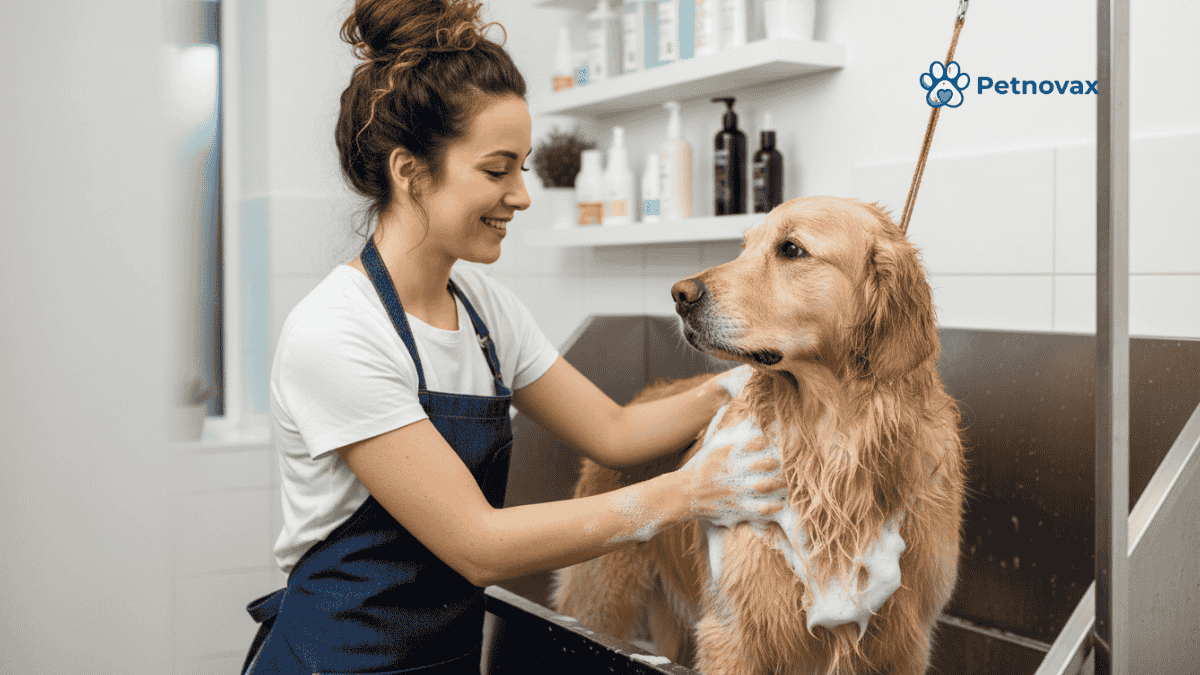
Learning how to bathe a dog correctly changes everything for a pet with sensitive skin. Because many owners view bath time as a simple chore, they often rush the process. However, rushing frequently leads to stress, skin irritation, and fear. Therefore, understanding the nuances of temperature, product choice, and handling turns a scary event into a bonding moment. In this guide, I will teach you how to bathe a dog using a gentle, vet-researched approach that prioritizes your dog’s comfort and skin health.
Table of Contents
Why a gentle bath routine matters
A gentle dog bathing routine protects the delicate balance of your pet’s skin barrier. Unlike human skin, canine skin is thinner and more alkaline. Consequently, harsh scrubbing or hot water strips away protective oils. If you learn how to bathe a dog gently, you prevent the “post-bath itch” that plagues so many sensitive pups. In addition, a calm routine reduces dog bath anxiety, which ensures your dog stays relaxed rather than terrified.
Benefits of proper dog bathing
Mastering how to bathe a dog offers benefits beyond simple cleanliness. First, it removes environmental allergens like pollen, dust, and grass that are trapped in the fur. Second, it allows you to inspect your dog’s body closely for parasites, lumps, or hot spots. Finally, a proper bath hydrates the skin and reduces shedding. Thus, knowing how to bathe a dog properly serves as a critical pillar of preventative health care.
Essential Supplies You Need Before Bathing Your Dog
You must gather every single item before you turn on the tap. Because wet dogs often try to escape the tub, leaving the room to grab a towel creates chaos. Therefore, successful dog grooming at home begins with preparation.
Choosing a gentle dog shampoo
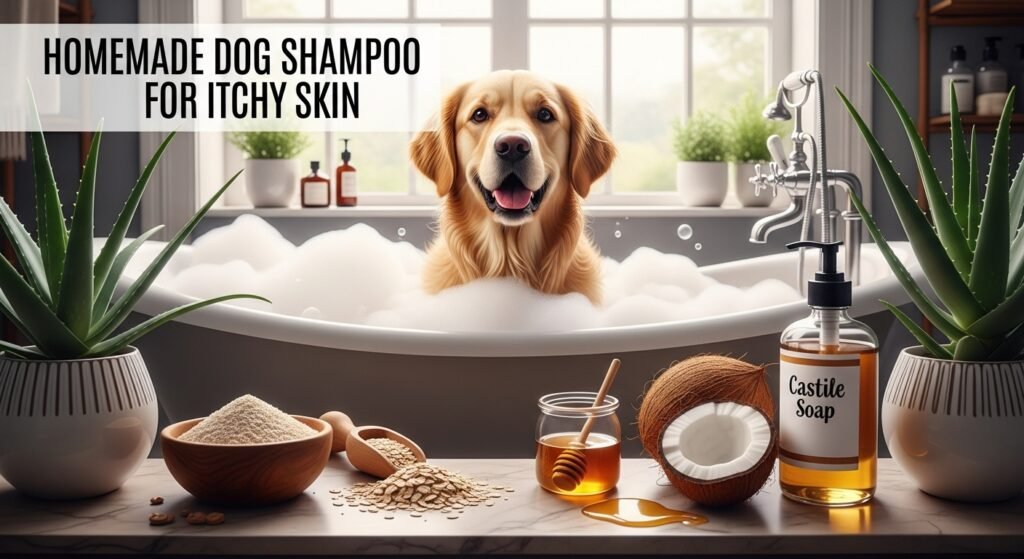
You simply cannot use human soap on a dog. Because human skin is acidic (pH 5.5) and dog skin is neutral (pH 7.0-7.5), human products destroy a dog’s acid mantle. As a result, bacteria and yeast can invade the skin. Instead, choose a gentle dog shampoo specifically formulated for canines. For example, look for hypoallergenic formulas containing colloidal oatmeal or aloe vera to soothe sensitive dog skin. Always read the label to ensure you avoid harsh sulfates.
Many owners think baby shampoo is gentle enough, but even that can disrupt a dog’s pH balance. For a full breakdown of safe vs. unsafe products, check out our guide: Can I Use Human Shampoo on My Dog?.
Towels, brushes & treats
- Microfiber Towels: These towels absorb water much faster than cotton. Consequently, you do not need to rub the skin vigorously, which prevents irritation.
- Rubber Curry Brush: This tool massages the shampoo into the coat gently. Unlike metal brushes, it stimulates the skin without scratching it.
High-Value Treats: For instance, use peanut butter (xylitol-free) smeared on the tub wall or small liver treats. This strategy builds positive reinforcement and distracts nervous dogs.
Non-slip mat & bathing tools
A slippery bathtub terrifies many dogs because they feel unstable. Therefore, place a rubber non-slip mat or a yoga mat on the floor of the tub. This simple addition gives your dog traction and confidence. In addition, a handheld sprayer attachment helps you rinse thick coats thoroughly. If you do not have a sprayer, use a large plastic pitcher to pour water gently.
Preparing a calm space (light, quiet environment)
Finally, assess the bathroom environment. Because loud noises increase stress, close the door to block out household sounds. Furthermore, consider using soft lighting if possible. By doing this, you create a spa-like atmosphere. Ultimately, knowing how to bathe a dog involves managing the environment just as much as managing the dog.
Creating the Perfect Bathing Environment
Selecting a safe bathing location
You must choose a location that suits your dog’s size and physical ability. For instance, a utility sink works perfectly for small dogs and saves your back from strain. However, large dogs typically require a standard bathtub or a walk-in shower. Never use a garden hose with cold water for a sensitive dog, because the temperature shock increases anxiety and tightens the skin. Always prioritize safety and warmth when deciding how to bathe a dog.
Setting the ideal lukewarm water temperature
Water temperature plays a critical role when you learn how to bathe a dog with itchy skin. While hot water feels good to humans, it opens pores and inflames nerve endings in dogs. As a result, hot water triggers intense itching. Therefore, you must use lukewarm water (approximately 98°F to 100°F). Test the water on your wrist; specifically, it should feel tepid, neither hot nor cold. This specific dog bath temperature prevents skin dryness.
Keeping the area calm and stress-free
Speak in a low, soothing voice throughout the process. If you stay calm, your dog typically mirrors your energy. Additionally, have a helper nearby if your dog feels particularly nervous. For example, one person can feed treats while the other focuses on how to wash your dog. Remember, force creates fear; patience creates trust.
Pre-Bath Preparation That Makes a Big Difference
Brushing your dog before water contact
Always brush your dog before they get wet. Because water tightens mats and tangles, they become impossible to remove after the bath. Furthermore, mats trap shampoo against the skin, which causes severe irritation and hot spots. Therefore, spend five to ten minutes removing loose hair and dander. This step is a fundamental rule of dog coat care.
Checking skin for redness or irritation
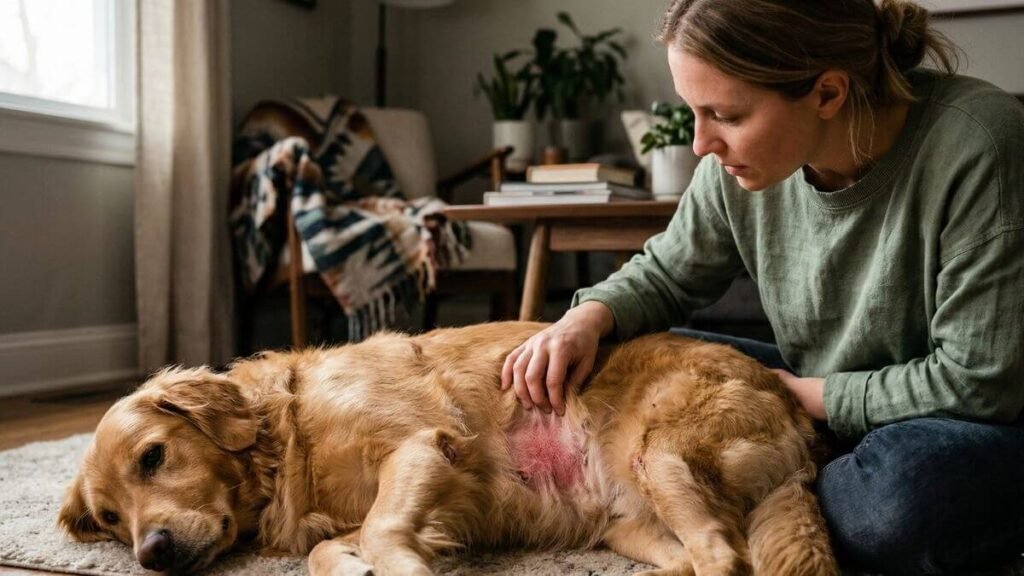
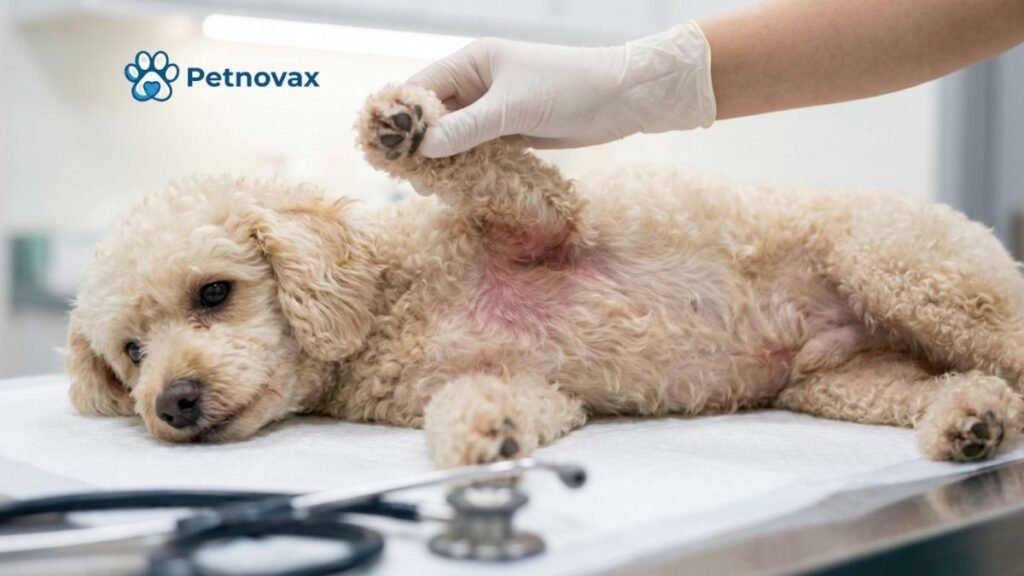
Run your hands over your dog’s body before the water runs. Look for red patches, sores, ticks, or bumps. If you find an open wound, consult your veterinarian before applying any shampoo. Applying the product to broken skin can cause stinging and pain. Therefore, a quick health check ensures you know how to bathe a dog safely without worsening existing issues.
If you discover a painful, red, or oozing patch, it might be acute moist dermatitis. Before wetting the area, learn how to identify and treat it in our guide: Hot Spots on Dogs: Causes, Symptoms, and Remedies.
Blocking ear entry with cotton balls (optional & gentle)
Water inside the ear canal frequently causes painful yeast or bacterial infections. To protect dog ears bath time, gently place a large cotton ball just inside the opening of each ear. However, do not push it deep into the canal. This barrier absorbs stray water droplets. Crucially, remember to remove them immediately after you finish drying the dog.
How to Bathe a Dog: Gentle Step-by-Step Routine
Now, let’s explore the core process. Following these specific dog bath steps ensures a thorough clean without stress.
Step 1. Brush your dog before the bath
As mentioned earlier, brushing is non-negotiable. Specifically, use a slicker brush for long coats or a grooming glove for short coats. This action removes dead hair that would otherwise clog your drain. Moreover, it stimulates blood flow to the skin surface. Therefore, knowing how to bathe a dog starts with knowing how to brush one.
Step 2. Wet the coat slowly with lukewarm water
First, check the water temperature again on your wrist. Then, start spraying water on your dog’s paws. Slowly move the sprayer up the legs and onto the body. Importantly, keep the sprayer nozzle close to the skin. This technique reduces the loud rushing sound that scares many pets. If you are learning to bathe a puppy, keep the water pressure very low to avoid overwhelming them.
Step 3. Apply and massage gentle shampoo
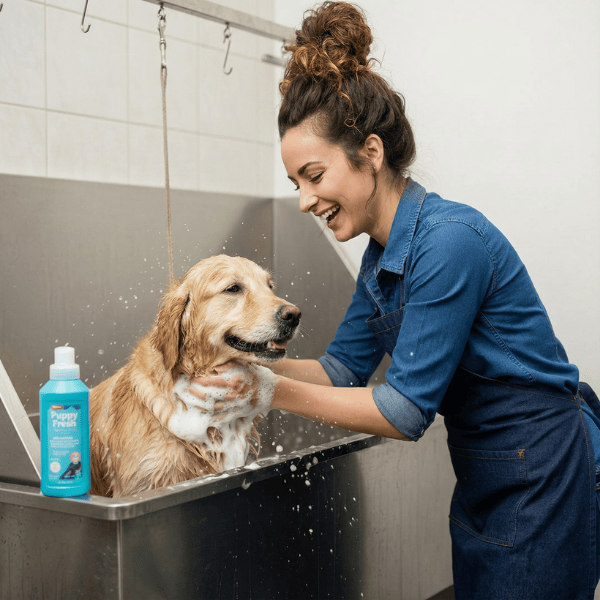
Pour a line of shampoo down your dog’s back. Next, use your hands or the rubber brush to massage the product into the skin. Because therapeutic shampoos require contact time, leave the lather on for 5 to 10 minutes. During this time, offer treats to keep your dog happy. This massage helps soothe itchy skin and ensures the ingredients penetrate the coat. Truly, knowing how to bathe a dog effectively means understanding that the shampoo needs time to work.
Step 4. Clean sensitive areas carefully (face, ears)
You must treat the face delicately. Instead of pouring water over the head, use a damp washcloth to wipe the muzzle and around the eyes. This method prevents soap from stinging their eyes and keeps water out of the nose. To wash a dog’s face safely, use plain water or a tear-free puppy shampoo only on the cloth. Never spray water directly into the face, as the scent creates panic.
Step 5. Rinse thoroughly to avoid residue
Soap residue causes severe itching and flakes. Therefore, rinse your dog until the water runs completely clear. Then, rinse for one additional minute. Specifically, check the armpits, belly, and under the tail, as soap often hides in these areas. If you leave shampoo behind, you invite itching after a bath. Consequently, rinsing stands as the most critical step when you learn how to bathe a dog.
Step 6. Repeat cleaning if necessary (no harsh scrubbing)
Typically, one shampoo application cleans a sensitive dog sufficiently. However, if your dog played in mud or oil, you might need a second round. Otherwise, avoid over-washing to preserve natural oils. If you do repeat, use gentle motions. Hard scrubbing damages the skin barrier. Therefore, let the shampoo do the work, not your fingernails.
Safe and Effective Drying Methods
Knowing how to dry a dog properly is just as important as the wash itself.
Towel-drying without tangling the coat
Immediately after the bath, wrap your dog in the absorbent microfiber towel. Gently squeeze the fur to absorb moisture. Crucially, do not rub the towel back and forth vigorously. Because rubbing tangles the fur and irritates sensitive skin, use a blotting motion. This gentle technique prevents the “frizz” and discomfort often associated with bathing dogs.
Using a blow dryer safely on low heat
If you use a blow dryer, always select the Cool or Low setting. Dogs scratch frantically in hot air because heat triggers itch receptors. In addition, keep the dryer moving constantly to avoid burning the skin. Use your hands to continuously test the air temperature. If the air feels hot to your skin, it feels burning to your dog. Therefore, safe drying is a key part of how to bathe a dog.
Keeping your dog warm and calm after the bath
A wet dog loses body heat rapidly. Therefore, keep them in a warm, draft-free room until they dry completely. Often, dogs experience zoomies after a bath, running around wildly. This behavior is normal! Finally, reward them with a high-value treat to end the session positively. By doing this, you teach them that giving a dog a bath ends with a prize.
Post-Bath Skin & Coat Care
Light brushing after drying
Once the coat dries completely, brush through the fur again. This action separates the hairs and allows air to circulate down to the skin. Consequently, the coat looks shiny and healthy. In addition, this step ensures no mats are formed during the drying process. Ultimately, how to bathe a dog includes this final grooming step.
Moisturising sensitive or dry skin (optional)
If your dog suffers from dry skin, apply a dog-safe coconut oil or a veterinary-approved leave-in conditioner. This step restores moisture to the skin barrier. However, avoid human lotions. Specific dog dry skin remedies work best because they are safe if licked.
Checking for redness, dryness, or discomfort
Monitor your dog for the next hour. If they start scratching immediately, check your rinsing technique next time. Sometimes, this reaction indicates a sensitivity to the shampoo ingredients. If you notice hives or swelling, contact your vet immediately. Therefore, observation is the final step of how to bathe a dog.
Sometimes, a bath isn’t enough to stop the scratching. If your dog continues to itch despite a clean coat, there might be an underlying allergy or health issue. Find out exactly what’s wrong in our detailed guide: Why Is My Dog So Itchy? 7 Common Causes and Expert Solutions.
Common Bathing Mistakes to Avoid
Mastering how to bathe a dog involves avoiding these frequent errors.
Using human shampoo
Never use human shampoo. Human skin is acidic, while dog skin is neutral. Therefore, human products destroy the acid mantle that protects your dog from bacteria and parasites. Using the correct products is a fundamental principle of dog grooming.
Very hot water
As mentioned earlier, hot water dries out the skin instantly. Always stick to lukewarm temperatures to prevent itching. If you struggle to gauge the temperature, use a baby bath thermometer.
Hard scrubbing
Your fingernails damage inflamed skin easily. Instead, use the soft pads of your fingers or a silicone brush. Gentle massage cleans effectively without causing pain.
Not rinsing enough
Again, left-behind soap dries into an itchy crust. Consequently, your dog feels dirtier and itchier than before the bath. If you see bubbles in the rinse water, keep rinsing.
Over-bathing and stripping natural oils
Bathing too frequently removes protective sebum. Therefore, follow a schedule that suits your dog’s specific lifestyle. Over-cleaning is a common mistake when learning how to bathe a dog.
How Often to Bathe a Dog
Determining how often to bathe a dog depends on their lifestyle and coat type.
Standard bathing frequency
Generally, healthy dogs with normal skin only require a bath once a month. This frequency keeps them clean without drying out their coat.
Active or outdoor dogs
However, if your dog swims in lakes or rolls in mud, you may bathe them every two weeks. Alternatively, simply rinse them with plain water in between full baths to remove dirt.
Puppies
Puppies possess delicate skin and regulate body temperature poorly. Therefore, keep baths infrequent unless they make a mess. Also, strictly use gentle puppy formulas when deciding how to properly bathe a young dog.
Sensitive-skinned or allergy-prone dogs
If you use a medicated shampoo for yeast or bacteria, your vet might prescribe baths two to three times a week. Otherwise, bathing every one – two weeks with a moisturizing shampoo works best for itchy dogs. Always follow your vet’s instructions on how to bathe a dog with medical conditions.
When to Consult a Veterinarian
Knowing how to bathe a dog also implies knowing when to stop and seek help. For example, consult a professional if you notice:
Redness: Bright red patches or “hot spots” that feel warm to the touch.
Persistent itching: If the scratching continues despite your best efforts and gentle products.
Sores or sudden irritation: Open wounds or a strong odor often indicate an infection that requires medical treatment.
By following this gentle routine, you ensure your dog stays clean, comfortable, and healthy.
Frequently Asked Questions (FAQ)
What is the proper way to wash a dog?
The proper way involves using lukewarm water and a gentle dog shampoo. First, brush the coat to remove mats. Then, wet the fur, massage the shampoo for 5 minutes, and rinse thoroughly until no foam remains.
What not to do when bathing a dog?
Never use hot water, as it dries out the skin. Also, avoid using human shampoo or spraying water directly into the ears and eyes. Finally, do not scrub sensitive skin vigorously with your fingernails.
How often should dogs be bathed?
Generally, healthy dogs need a bath once a month. However, if your dog has itchy skin or allergies, vets often recommend bathing every 1-2 weeks with a moisturizing shampoo to wash away allergens.
Is Dawn dish soap ok for dogs?
No, not for regular bathing. Because dish soap is designed to strip grease from pans, it strips the essential natural oils from your dog’s coat. This frequently leads to dry, itchy, and flaky skin.
What can I use in place of dog shampoo?
If you run out, you can use a mixture of plain ground oatmeal and water as a soothing rinse. However, strictly avoid human shampoo, body wash, or vinegar, as these can disrupt the pH balance of your dog’s skin.
What do vets say about using Dawn on dogs?
Veterinarians typically advise against using dish soap unless removing toxic grease or oil from the coat. For routine care, they recommend pH-balanced dog shampoos to maintain a healthy skin barrier.
Can I use human or baby shampoo on my dog?
No, never. Human skin is acidic (pH 5.5), while dog skin is neutral (pH 7.5). Using human products destroys their protective acid barrier, leading to bacteria and dryness. Always use a pH-balanced dog shampoo.
How often should I bathe a dog with itchy skin?
For sensitive dogs, usually every 1-2 weeks with a moisturizing shampoo helps wash away allergens. However, if using a medicated shampoo prescribed by a vet, you may need to bathe them 2-3 times a week initially.
What is the best way to protect my dog’s ears?
To prevent painful ear infections, gently place a large cotton ball inside each ear opening before the bath. Also, never spray water directly on the face; instead, wipe it with a damp cloth. Remember to remove the cotton balls after drying.
My dog hates baths. How can I keep them calm?
Fear often comes from slipping. First, place a non-slip mat in the tub. Second, ensure the water is lukewarm (not hot). Finally, smear xylitol-free peanut butter on the wall to distract them with treats while you scrub.
Why does my dog go crazy after a bath (zoomies)?
This is called the zoomies, and it is completely normal! It happens due to relief, an instinct to dry off, or a burst of energy. Just ensure they run in a safe, carpeted area so they don’t slip.