Skip to content

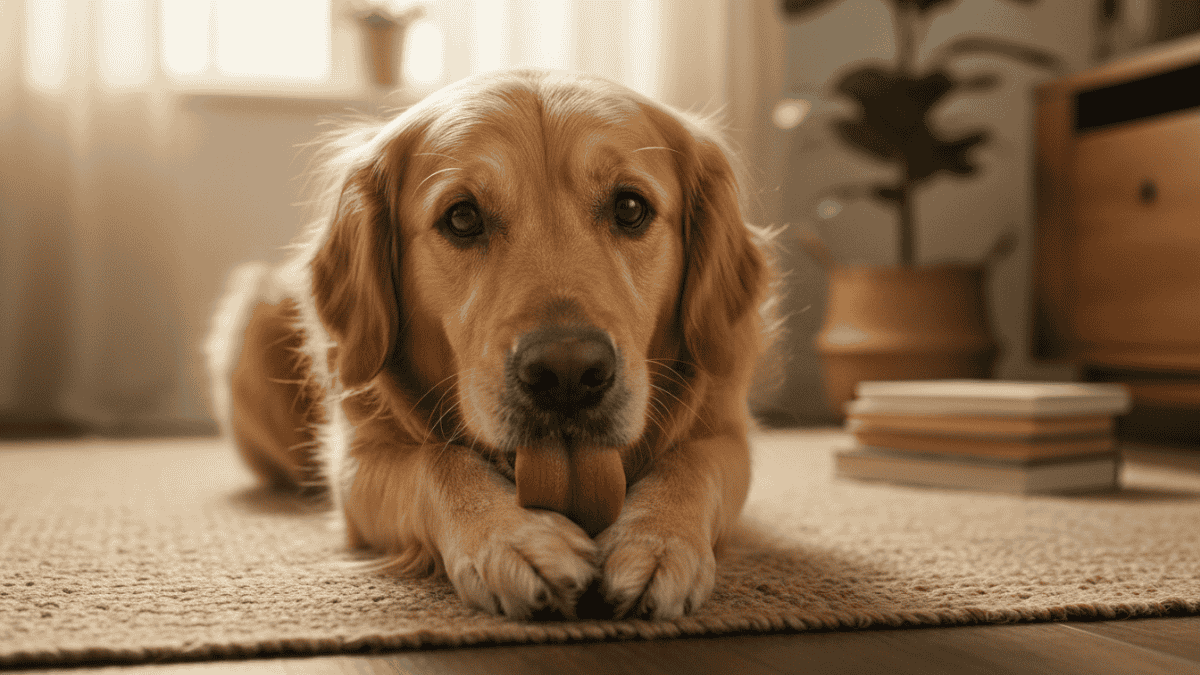
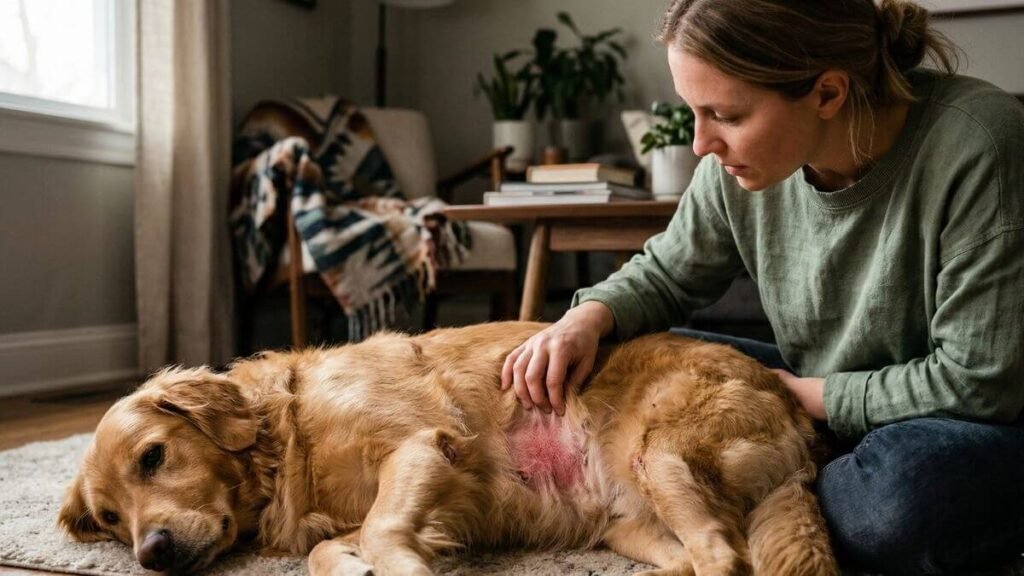
Your dog’s constant paw licking has you worried, and you’re right to pay attention. This guide is for dog owners who’ve noticed their dog licking paws excessively and want to understand what’s really going on.
Occasional paw licking is normal grooming behavior, but when your dog licks paws obsessively or won’t stop even when distracted, there’s usually an underlying cause. The reasons range from simple irritants to serious medical conditions that need immediate attention.
We will explore the difference between normal grooming behavior and the problematic excessive paw licking that some dogs display. You’ll learn about medical conditions like allergies and infections that trigger this behavior, plus physical injuries that cause your dog to focus on specific paws. We’ll also cover when to see your vet and proven home remedies you can try to help stop your dog from licking paws.
Dog Licking Paws: Understanding Normal vs. Excessive Behavior
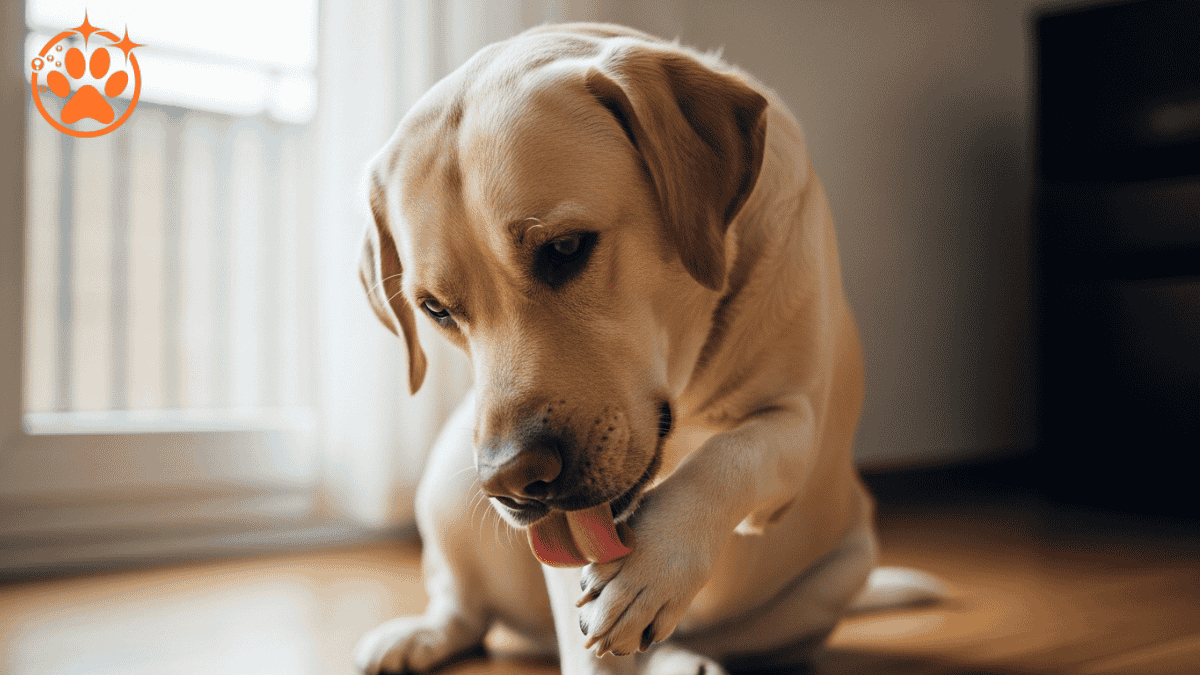
When paw licking is part of natural self grooming behavior
Dogs naturally lick their paws as part of their regular self-grooming routine, much like cats clean themselves. This behavior is completely normal when your dog comes inside after walking on dirty or sandy ground, as they’re simply cleaning off muck and debris from their afternoon adventures. You’ll typically notice this occasional paw licking happens briefly and your dog can easily be distracted from the behavior when you call their name or offer their favorite toy.
Normal paw licking serves several purposes for your furry companion. Dogs use their tongues as tools for exploration, allowing them to gather information about their environment through taste and scent. Additionally, this self-soothing behavior helps them relax and maintain their natural hygiene. When your dog licks their paws after outdoor activities, they’re performing essential maintenance to keep their feet clean and comfortable.
Warning signs that indicate excessive licking requiring attention
You should become concerned when your dog’s paw licking behavior shifts from occasional grooming to persistent, intense activity. Excessive paw licking occurs when your dog doesn’t stop the behavior even when you try to distract them with toys, food, or the promise of a walk. This compulsive licking often focuses on one specific paw or continues for extended periods throughout the day.
Several red flags indicate that your dog’s paw licking has become problematic:
- Inability to redirect attention: Your dog continues licking despite your attempts to engage them in other activities
- Frequency and intensity: The licking becomes constant or aggressive rather than gentle grooming Physical signs of irritation: You notice redness, swelling, or raw spots developing on the paws Behavioral changes: Your dog seems distressed or anxious while licking
- Nighttime disruption: The licking behavior prevents your dog (and you) from sleeping
When Dog Licking Paws Indicates a Serious Problem
Certain symptoms accompanying paw licking require immediate veterinary attention. You should contact your veterinarian as soon as possible if your dog experiences bleeding from their paws, swollen paws, or obvious limping. These signs often indicate underlying injuries, infections, or medical conditions that need professional diagnosis and treatment.
Watch for these serious warning signs that demand urgent care:
- Pus or discharge: Any unusual drainage from the paws indicates potential bacterial or yeast infections
- Pain responses: Whimpering, wincing, or crying out when you touch the affected area Visible
- Injuries: Cuts, embedded objects, or broken nails that require medical intervention Progressive
- worsening: The condition deteriorates despite your attempts to manage it at home
The moisture from constant licking creates an ideal environment for secondary bacterial or yeast infections, causing even more itching, redness, and discomfort. This creates a vicious cycle where your dog licks more due to increased irritation, potentially leading to serious complications like pododermatitis, a painful bacterial infection of the paws that can become difficult to treat if left unaddressed.
Medical Conditions That Cause Paw Licking
Food allergies and identifying trigger ingredients
When your dog licks their paws excessively, food allergies could be the underlying culprit. According to veterinary experts, common food allergens include proteins like chicken, meat, pork, and eggs. These ingredients can trigger allergic reactions that manifest as skin irritation and paw licking, making your dog constantly uncomfortable.
To identify trigger ingredients, your veterinarian will typically recommend an elimination diet. This process involves feeding your dog only prescribed foods containing novel proteins and carbohydrate ingredients your pet has never consumed before. You must provide a complete medical history, including all foods, treats, table scraps, and even flavored chew toys your dog has eaten. The elimination diet requires strict adherence for a specified period to determine which ingredients cause the allergic response.
For confirmed food allergies, your veterinarian may recommend specialized diets featuring hydrolyzed proteins or novel protein sources. Limited ingredient diets can also help manage food intolerances and reduce paw licking episodes caused by dietary triggers.
Environmental allergies from seasonal and household factors
Environmental allergens represent another significant cause of excessive paw licking in dogs. Your dog may develop atopic dermatitis, a chronic inflammatory skin condition triggered by substances in their
environment. Common environmental allergens mirror those affecting humans with hay fever, including grass, pollen, mold spores, and house dust mites.
Pro-Tip: Paw licking is often just one symptom of a bigger allergy problem. If your dog is scratching other parts of their body, too, you need to identify the root cause. Read Our Full Guide: Why Is My Dog So Itchy? 7 Common Causes and Expert Solutions
Seasonal factors like grass and pollen can cause flare-ups during specific times of the year, leading to increased paw licking behavior. Additionally, household products such as laundry detergents and cleaning supplies may irritate your dog’s sensitive paw pads and skin, prompting excessive licking.
Atopic dermatitis typically develops when dogs are between 1 and 5 years old, presenting as general itchiness or localized irritation affecting the face, ears, and feet. Diagnosis involves a comprehensive veterinary examination, ruling out parasites and food allergies through testing and elimination diets.
Treatment options include anti-inflammatory medications like Apoquel and Atopica, topical therapies using medicated shampoos, and antibacterial treatments for secondary infections. Your veterinarian may combine multiple approaches based on your dog’s specific response to treatment.
Skin irritation and dryness issues
Skin irritation and dryness can significantly contribute to your dog’s paw licking behavior. Dry, cracked paw pads create discomfort that drives your pet to lick the affected areas for relief. This condition often worsens during harsh weather conditions or exposure to chemicals like winter de icing salts. Sometimes, the irritation is caused by harsh chemicals found in regular soaps. Make sure you are never using human products on your dog’s paws, as they damage the pH balance. Learn more in our article: Can I Use Human Shampoo on My Dog? (And What to Use Instead)
Environmental factors can exacerbate skin dryness, making your dog’s paws more susceptible to irritation. Hot surfaces during summer months can cause paw pad burns, while cold weather and chemical exposure during winter create cracking and painful lesions.
When skin irritation develops, your dog may lick persistently, creating a cycle where excessive moisture from licking further damages the already compromised skin. This behavior can lead to secondary bacterial infections, requiring more intensive veterinary treatment.
Addressing skin dryness involves identifying and eliminating irritating factors in your dog’s environment while providing appropriate topical treatments to restore paw pad health and comfort.
Arthritis and joint pain in older dogs
Arthritis commonly affects older dogs and can cause significant paw licking when joint pain develops in the toes and paw joints. This progressive condition occurs when joint cartilage breaks down, creating inflammation and discomfort that prompts your dog to lick the affected areas for self-soothing relief.
The arthritic process doesn’t only affect large joints like hips and legs it frequently impacts the smaller joints within your dog’s paws, causing localized pain that triggers excessive licking behavior. You may notice accompanying signs like limping, decreased activity, or reluctance to use stairs.
Treatment approaches for arthritis-related paw licking include environmental modifications such as providing orthopedic bedding and placing rugs on slippery floors. Weight management plays a crucial role, as excess weight increases joint stress and pain levels.
Your veterinarian may recommend dietary supplements like glucosamine, low-impact exercise routines, and pain management medications. FDA-approved options include Librela injections administered in veterinary offices and Galliprant for at-home pain management. These treatments help reduce the discomfort driving your dog’s compulsive paw licking behavior while improving overall quality of life.
Physical Injuries and Pain Related Causes
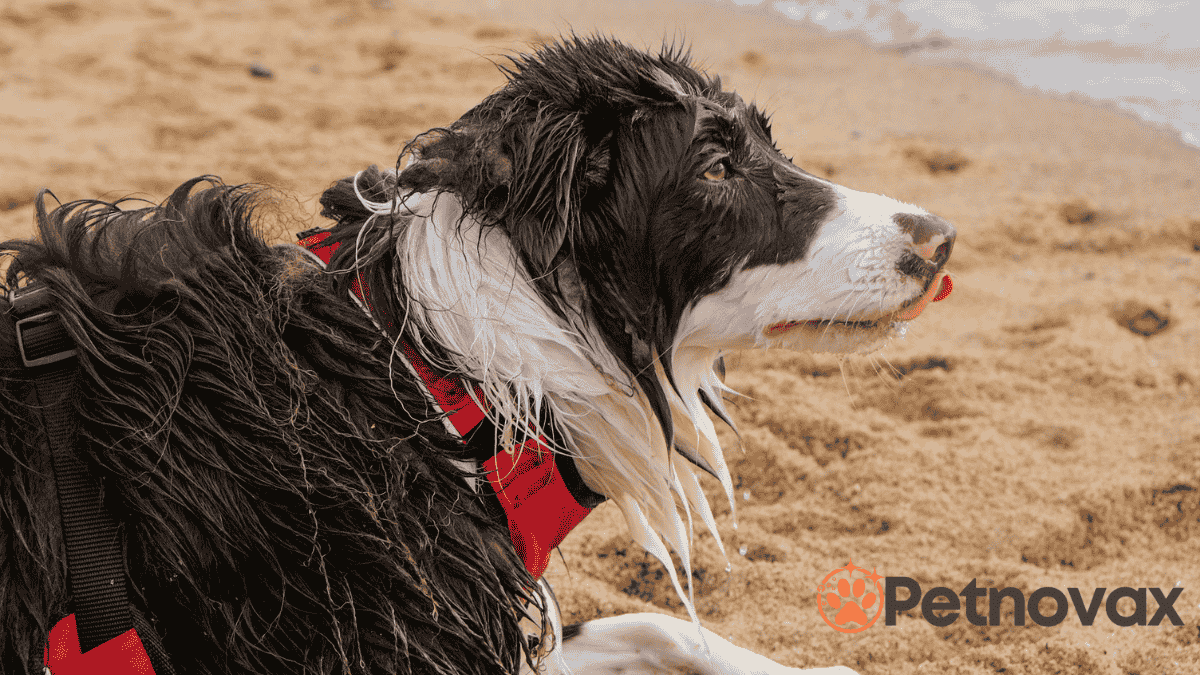
Common paw injuries like cuts, stings, and burns
Your dog’s paw pads serve as natural shock absorbers and protective barriers, but they’re not invincible. Cuts are among the most frequent paw injuries you’ll encounter, often caused by sharp objects like glass, rocks, or thorns during outdoor activities. These wounds can range from minor scrapes to deep lacerations that require immediate veterinary attention.
Burns present another serious concern, particularly during hot summer months when sidewalks and sand can reach temperatures that damage your dog’s paw pads. Unlike cuts, burns should be treated with cool (not warm) diluted betadine solution, followed by gentle coverage with Manuka honey cream or antibiotic ointment.
Bee stings and other insect bites can cause sudden swelling and intense discomfort, leading to excessive paw licking as your dog attempts to relieve the pain. Watch for signs like limping, swelling, or persistent licking that indicate something has injured your pet’s paw.
Ingrown or broken nails causing discomfort
Nail-related injuries are surprisingly common causes of excessive paw licking. Broken nails can be extremely painful, especially when the break extends into the quick (the pink area containing blood vessels and nerves). Your dog may lick the affected paw frequently to manage the discomfort.
Ingrown nails occur when the nail grows into the paw pad tissue, creating pressure and potential infection. This condition is more common in dogs whose nails aren’t regularly trimmed or those with naturally curved nail growth patterns. The resulting pain and irritation often trigger persistent licking behavior as your dog seeks relief.
Cracked or damaged paw pads
Dry, cracked paw pads are particularly common in older dogs and can make walking painful. These cracks create entry points for bacteria and debris, leading to secondary infections that intensify your dog’s urge to lick. Several factors contribute to pad damage, including zinc deficiency, genetic conditions like hereditary footpad hyperkeratosis, repeated exposure to harsh chemicals, or chronic licking itself.
Winter conditions with road salt, summer heat, and household chemicals like floor cleaners can all cause pad damage. Once paw pads become cracked, they heal slower than other body parts because your dog continues bearing weight on them, causing the healing skin to repeatedly tear and reopen.
How to inspect paws for signs of injury
Regular paw inspections should become part of your daily routine with your dog. Start by gently lifting each paw and examining the pads for cuts, punctures, swelling, or embedded debris like thorns or glass fragments. Look between the toes for foreign objects, hair mats, or signs of irritation in the webbed spaces.
Check the nail area for breaks, chips, or signs of ingrown nails. Pay attention to any redness, discharge, or unusual odors that might indicate infection. If your dog has long fur covering the paw pads, carefully part the hair to get a clear view of the pad surface.
Gently press on various paw parts as you examine it to find any sore spots that might point to internal injuries or emerging issues. Your dog’s reaction of pulling away, whimpering, or increased licking can help pinpoint problem areas that need closer examination or veterinary attention.
Parasite Infestations That Trigger Excessive Licking
Fleas and their allergic reactions
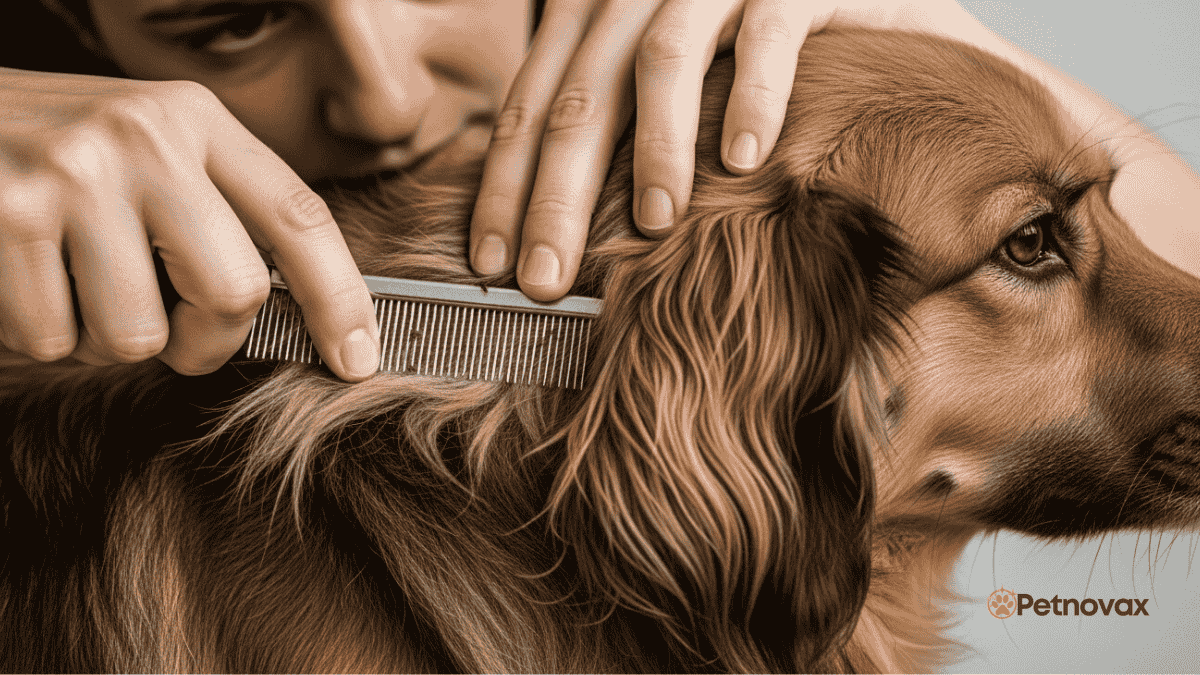
Fleas are among the most common parasites that can trigger excessive paw licking in your dog. These tiny insects don’t just cause irritation through their bites they actually trigger allergic reactions that make your dog’s skin incredibly itchy. When fleas bite your dog, the saliva they inject contains proteins that many dogs are allergic to, causing intense discomfort that leads to compulsive licking and chewing of their paws.
You can identify a flea infestation by physically examining your dog with a flea comb. Look for small moving bugs on your dog’s skin and watch for the telltale black spots called “flea dirt” that these parasites leave behind. Fleas can live virtually anywhere your dog frequents, including their bedding, your carpets, toys, soil, tall grasses, and wooded areas, making prevention challenging but essential.
The itchiness caused by flea allergies can become so severe that your dog won’t stop licking even when you try to distract them with toys, food, or walks. This persistent behavior can quickly lead to secondary skin infections if left untreated.
Ticks and proper removal techniques
Ticks present another serious parasitic threat that can cause your dog to lick their paws excessively. These parasites most commonly burrow between your dog’s toes, under their legs, and behind their ears, making the paw area particularly susceptible to tick-related irritation.
If you discover a tick on your dog, proper removal is crucial to prevent serious complications. Use
tweezers to carefully grab the tick at its base, as close to your dog’s skin as possible. Remove the entire tick in one piece, ensuring that no mouthparts remain embedded in the skin. A special tick spoon is often the most effective tool for complete removal.
You must remove the entire tick, including all mouthparts, because leaving any portion behind can cause serious skin infections. These infections can become difficult to treat and may result in ongoing discomfort that leads to persistent paw licking.
Other parasites like mites and lice
Beyond fleas and ticks, other parasitic infestations such as mange mites and lice can also cause your dog’s paws to become extremely itchy. These parasites create similar allergic reactions and skin irritation that drive compulsive licking behaviors. Mange, in particular, can cause severe skin problems that make your dog’s paws unbearably uncomfortable.
These parasite infections require professional diagnosis and treatment, as they can be difficult to identify without veterinary expertise. The intense itching they cause often results in the same excessive paw licking patterns you might observe with flea or tick infestations.
Preventing and treating parasite problems
Prevention is your first line of defense against parasite-related paw licking. Talk to your veterinarian about the best flea and tick prevention options available for your dog, including both prescription and over the counter medications. Your vet can recommend the most appropriate treatment based on your dog’s specific needs and your local parasite risks.
For active infestations, your veterinarian can recommend targeted treatments to eliminate the parasites, which should provide relief from the itching that’s causing the excessive paw licking. Quick treatment is essential because the constant moisture from licking can create secondary bacterial or yeast infections, making the problem significantly worse and more difficult to resolve.
Behavior and Psychological Reason for Paw Licking

Stress and Anxiety as Primary Triggers
Your dog’s excessive paw licking might stem from emotional distress rather than physical discomfort. Just like humans bite their nails when nervous, dogs often turn to repetitive behaviors like paw licking when they’re stressed or anxious. Common stress triggers include changes in your household routine, moving to a new home, the arrival of a new pet or baby, or even your own emotional state affecting your furry companion.
Separation anxiety ranks among the most frequent causes of dog behavioral problems, such as paw licking. When you leave for work, your dog may develop compulsive licking habits to cope with the loneliness and worry. You’ll often notice this behavior intensifies right before your departures or peaks during the hours you’re away.
Boredom Induced Compulsive Behaviors
Why a dog licks paws excessively often comes down to simple boredom. Dogs need mental stimulation and physical exercise to stay balanced. Without adequate engagement, your pet may develop obsessive compulsive behaviors, with paw licking being a prime example.
If your dog spends long hours alone without interactive toys or sufficient exercise, they might resort to licking their feet constantly as a way to self-soothe and pass time. This behavior can quickly become habitual, persisting even after you address the underlying boredom.
Signs your dog’s paw licking stems from boredom include:
- Licking occurs primarily when alone or inactive
- Behavior decreases with increased exercise and mental stimulation
- Other destructive behaviors accompany the licking
- Your dog seems restless or exhibits attention seeking behaviors.
Attention-Seeking Behaviors
Your reaction to your dog’s paw licking might inadvertently reinforce the behavior. When your dog licks their paws and you respond with attention, even negative attention like scolding, you’re actually rewarding the behavior from your dog’s perspective.
Dogs quickly learn that excessive paw licking gets them noticed. Your concerned voice, gentle touch, or even frustrated sighs can all be interpreted as positive reinforcement, encouraging your pet to repeat the behavior whenever they want your focus.
Environmental and Routine Changes
Dogs thrive on predictability, and sudden changes in their environment can trigger stress-related paw licking. Moving furniture, construction noise, new family members, or altered daily schedules can all contribute to anxiety-driven behaviors.
Seasonal changes also affect some dogs psychologically. The transition from outdoor summer activities to indoor winter routines might leave your dog feeling restless and prone to developing compulsive habits like persistent paw licking.
Breaking the Psychological Cycle
Understanding that dog licking paws can be psychological helps you address the root cause rather than just the symptom. Increased exercise, puzzle toys, consistent routines, and positive reinforcement for calm behaviors can significantly reduce stress-induced licking.
Creating an enriching environment with rotating toys, training sessions, and quality time together helps satisfy your dog’s mental and emotional needs, reducing their reliance on self-soothing behaviors like compulsive paw licking.
Secondary Infections and Complications
How Constant Licking Creates Bacterial Infections
When your dog licks their paws excessively, you’re witnessing the beginning of a problematic cycle. The constant moisture from saliva creates an altered microenvironment on your dog’s paw that disrupts the normal balance of bacteria and fungi naturally present on their skin. This warm, moist environment becomes a breeding ground for harmful bacteria like Staphylococcus, which can quickly multiply and cause secondary infections.
Your dog’s repeated licking and chewing creates microscopic trauma to the skin, breaking down the protective barrier and allowing bacteria to penetrate deeper into the tissues. What starts as a simple irritation can rapidly progress into a painful bacterial infection that requires veterinary intervention. The inflammation from constant licking also compromises your dog’s immune response in that area, making it even easier for opportunistic bacteria to establish infections.
Recognizing Signs of Pododermatitis
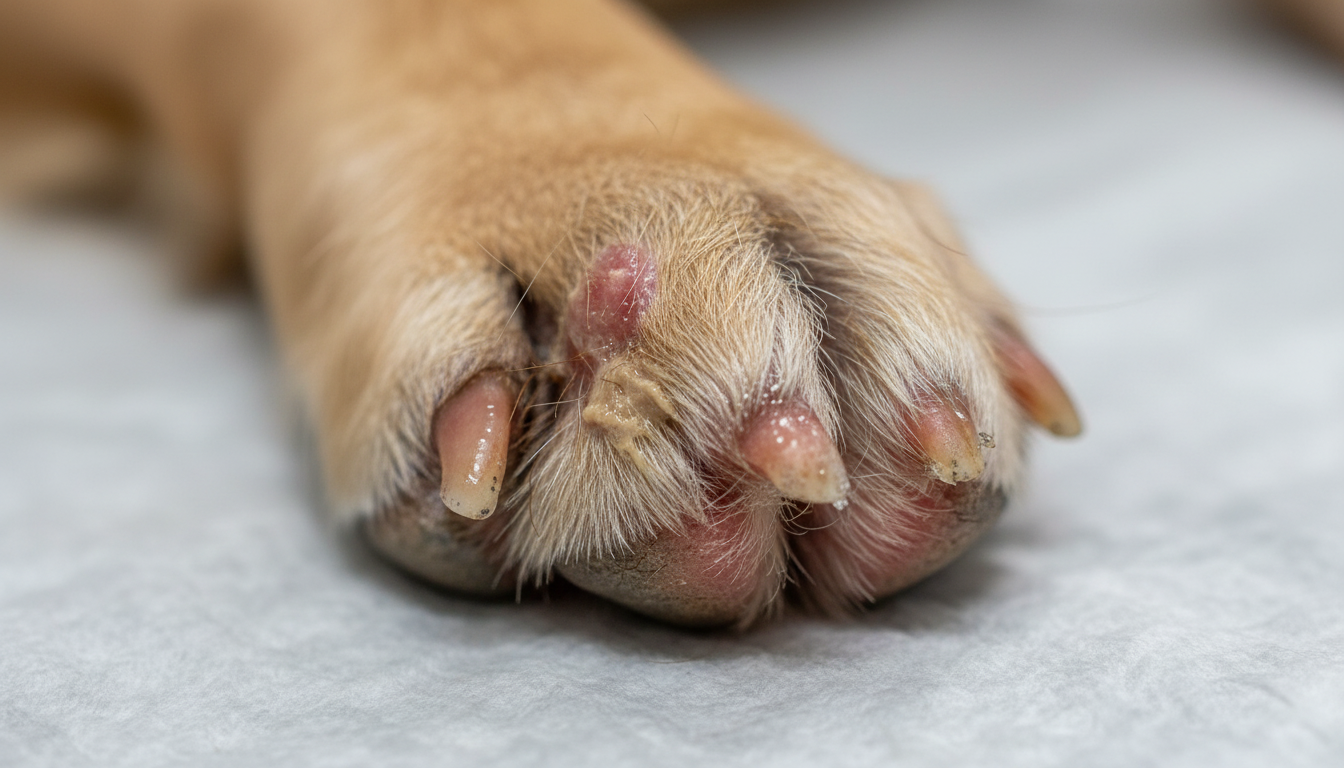
You should watch for specific warning signs that indicate your dog has developed pododermatitis, the medical term for inflammation of the paw skin. The most obvious symptom you’ll notice is persistent licking and chewing of the paws, which suggests your dog is experiencing significant itchiness and discomfort.
Visual signs you need to look for include:
- Reddening and swelling of the paw skin
- Hair loss around the affected areas
- Red or brown staining from saliva on the fur
- Clear or opaque discharge with waxy or oily debris, especially between the toes Localized
- swelling or small nodules between the toes that may leak pus or bloody discharge
- Abnormal odor coming from the paws
- Lameness or limping when the condition becomes painful
You might also notice your dog developing scar tissue formation in chronic cases. Don’t overlook behavioral changes like poor appetite or lethargy, which can indicate your dog is experiencing significant discomfort from the infected paws.
Yeast Infections from Moisture Buildup
The persistent moisture from your dog’s excessive licking creates ideal conditions for yeast overgrowth, particularly Malassezia, a fungus normally present on your dog’s skin in small amounts. Constant moisture and trauma disrupt the skin’s natural balance, allowing this yeast to multiply rapidly and lead to secondary fungal infections.
You’ll often see yeast infections developing alongside bacterial infections, creating a complex secondary infection that requires targeted treatment. The warm, humid environment between your dog’s toes and paw pads provides the perfect breeding ground for these organisms. Yeast infections typically produce a distinct odor and can cause intense itching, which only encourages more licking and perpetuates the cycle.
Certain dog breeds are more susceptible to these moisture-related infections, including Boxers, Bulldogs, Bull Terriers, German Shorthaired Pointers, German Shepherds, Golden Retrievers, and Irish Setters. These breeds often have conformational features that trap moisture more easily.
Why Immediate Treatment Prevents Worsening Conditions
Acting quickly when you notice excessive paw licking is crucial because delayed treatment can lead to serious complications and perpetuating factors that make the condition much harder to resolve. Once secondary bacterial or yeast infections take hold, they create additional inflammation and pain that drives your dog to lick even more intensively.
Without prompt intervention, your dog can develop interdigital furunculosis, a deep bacterial infection between the toes that creates painful, draining lesions. The chronic inflammation can also lead to scarring and changes in pad formation that permanently alter how your dog bears weight, creating ongoing mechanical stress that perpetuates the problem.
Early treatment allows veterinarians to address both the underlying cause and any secondary infections before they become entrenched. Small lesions affecting only one paw or a few toes can often be managed with medicated wipes, mousses, and shampoos. However, if you wait until the lesions become extensive or your dog develops lameness, more aggressive treatments, including oral antibiotics and anti-inflammatory medications, become necessary.
The longer pododermatitis persists untreated, the more likely it is to develop into a chronic condition requiring lifelong management rather than a curable problem.
5 Proven Home Remedies to Stop Paw Licking Fast
Apple Cider Vinegar Paw Soak
Apple cider vinegar works wonders for your dog’s irritated paws thanks to its natural antibacterial and antifungal properties. When your dog licks paws excessively, this simple remedy can help reduce inflammation and eliminate harmful bacteria that might be causing the problem.
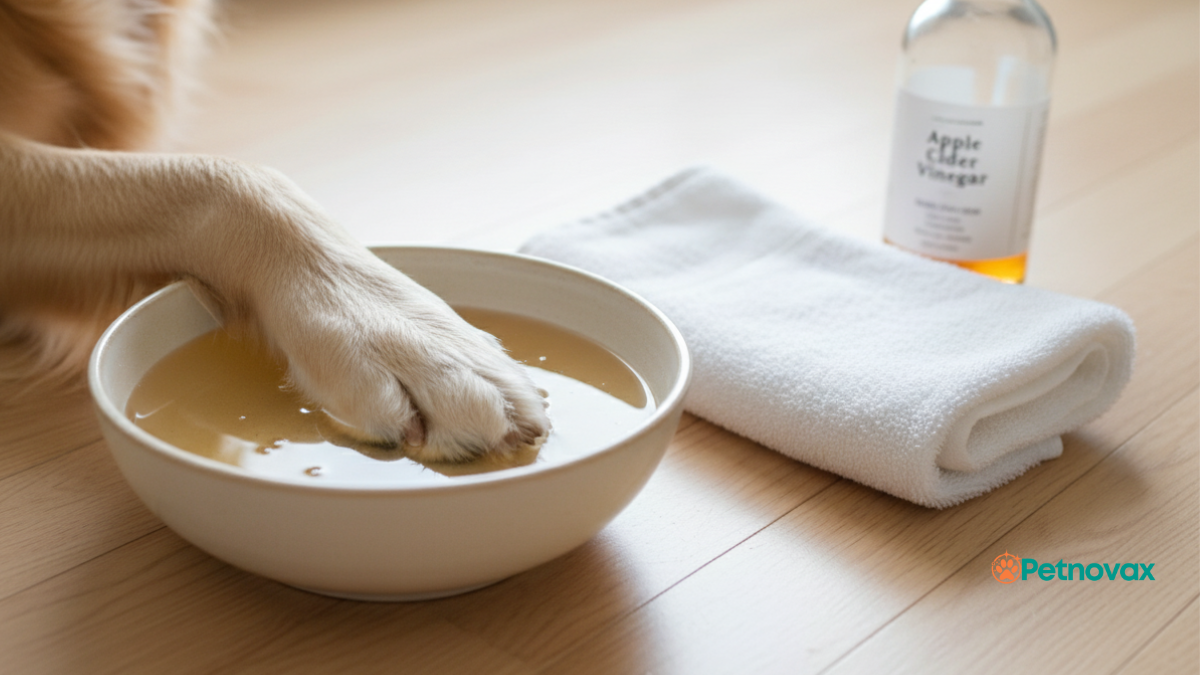
Mix one part raw, unfiltered apple cider vinegar with two parts warm water in a shallow bowl. Gently immerse your dog’s paw in the solution for 5-10 minutes, allowing the vinegar to do its work. You’ll want to focus on the areas between the toes where moisture and bacteria love to hide.
After the soak, pat your dog’s paws completely dry with a clean towel. Never leave moisture trapped between the toes, as this can actually make the problem worse. The mild acidity of apple cider vinegar helps restore your dog’s natural skin pH balance while discouraging bacterial growth.
Start with once daily treatments, and you should notice your dog’s paw licking behavior decreasing within a few days. If your dog has sensitive skin, dilute the solution further by using one part vinegar to three parts water.
Soothing Oatmeal Baths
Oatmeal baths provide incredible relief for dogs with itchy, irritated paws and can significantly reduce excessive paw licking dogs experience. The natural compounds in oatmeal, called avenanthramides, have anti-inflammatory properties that calm inflamed skin and reduce the urge to lick.
Create your oatmeal solution by grinding plain, unflavored oats in a food processor until you have a fine powder. Mix this powder with warm water until it becomes milky. For a full bath, use about one cup of ground oats in a tub of lukewarm water.
Let your dog soak for 10-15 minutes, gently massaging the oatmeal water over their paws and between their toes. The colloidal oatmeal forms a protective barrier on the skin while delivering moisture and relief from itching.
After the bath, rinse your dog thoroughly with clean water and dry completely. Pay special attention to the paw areas, making sure no moisture remains trapped. You can give your dog oatmeal baths 2-3 times per week until the paw licking subsides.
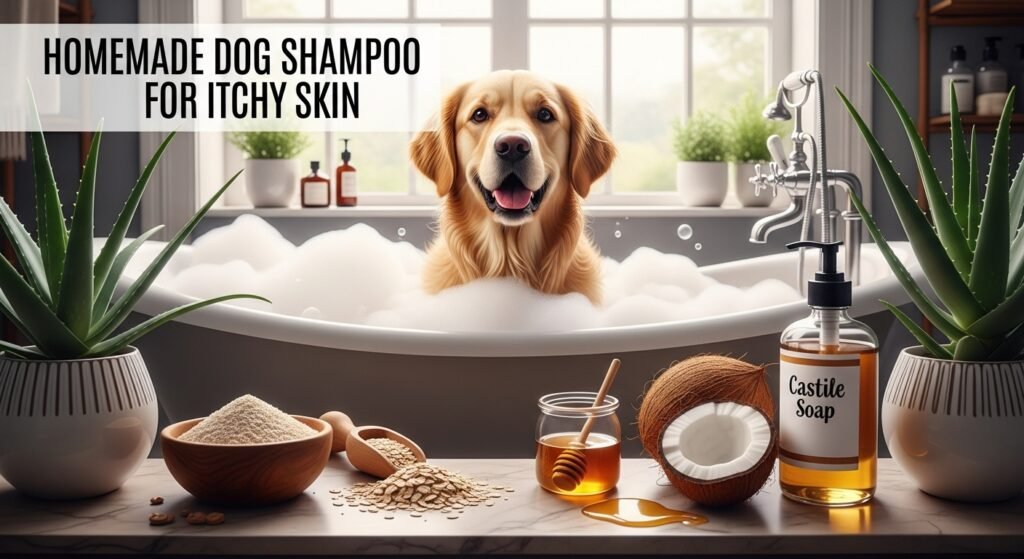
For a gentle, chemical free wash, you can try making your own soothing solution at home. Refer to our guide on 5 Safe & Soothing Homemade Dog Shampoo Recipes to help calm those irritated paws naturally.
Using a Cone Elizabethan Collar to Break the Habit
Occasionally you need to physically prevent your dog from licking their paws to allow healing and break the compulsive cycle. An Elizabethan collar, commonly called a cone, creates an immediate barrier that stops dogs from constantly licking their feet while giving damaged skin time to recover.
Choose a cone that’s properly sized for your dog it should extend past their nose but not be so large that it interferes with eating and drinking. Modern cones come in various materials, from traditional plastic to softer fabric options that are more comfortable for extended wear.
Your dog will likely initially resist the cone, but most will adapt within 24–48 hours. Keep the cone on consistently, especially when you can’t supervise your dog, as even brief licking sessions can restart the cycle of irritation and compulsive behavior.
The cone method works best when combined with other treatments. While your dog is unable to lick their paws, you should apply prescribed medications or use other home remedies to address the underlying cause. This dual approach helps heal the physical problem while breaking the behavioral pattern that keeps the cycle going.
Paw Balms and Moisturizers
Dry, cracked paws often trigger excessive licking as your dog tries to soothe the discomfort. High-quality paw balms and moisturizers can restore your dog’s paw health while creating a protective barrier against environmental irritants.
Look for balms containing natural ingredients like shea butter, coconut oil, beeswax, and vitamin E. These ingredients deeply moisturize while providing antimicrobial benefits. Avoid products with artificial fragrances or harsh chemicals that might further irritate sensitive paws.
Apply the balm twice daily, focusing on the paw pads and areas between the toes where cracking commonly occurs. Massage gently to ensure full absorption. The best times for application are after walks and before bedtime when your dog is likely to rest and allow the product to work.
Key Ingredients | Benefits | Application Tips |
Shea Butter | Deep moisturizing, anti-inflammatory | Apply to clean, dry paws |
Coconut Oil | Antibacterial, antifungal | Use sparingly to avoid greasy residue |
Beeswax | Creates protective barrier | Ideal for outdoor dogs |
Vitamin E | Promotes healing, antioxidant | Best for cracked or damaged paws |
Regular use of quality paw balms can prevent many issues that lead to dog paw licking causes, keeping your dog’s feet healthy and comfortable year-round.
When to Seek Veterinary Care and Treatment Options
Emergency signs requiring immediate attention
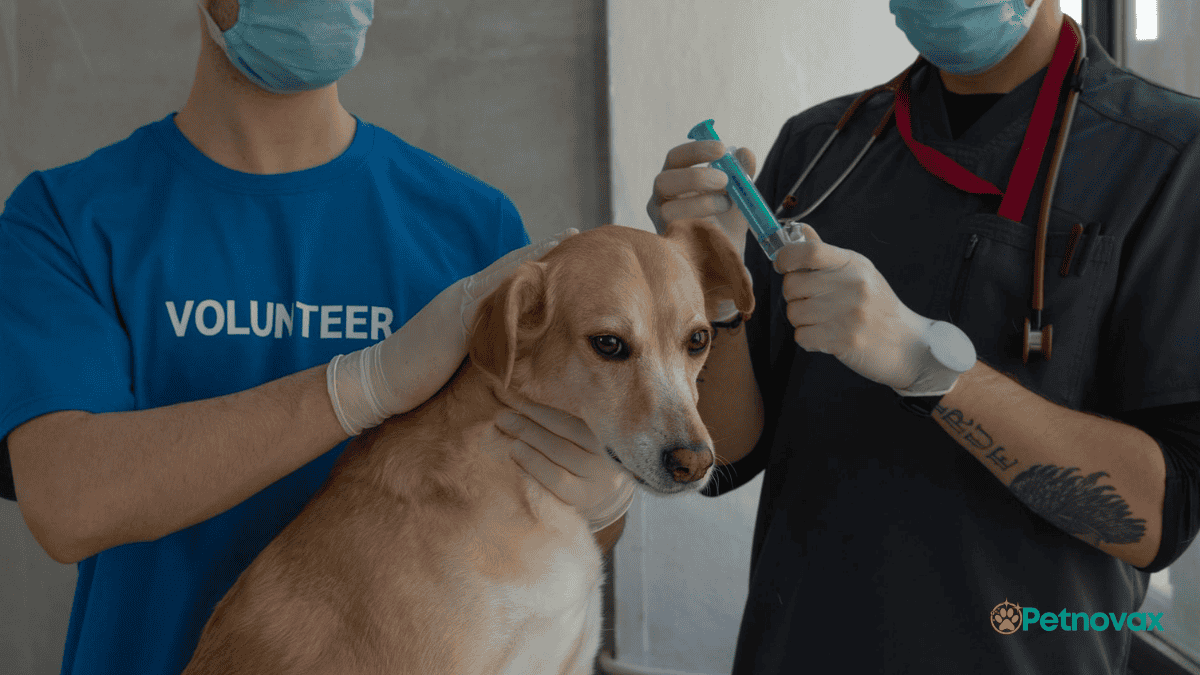
If your dog is licking paws constantly accompanied by limping, favoring one paw, or visible signs of injury like cuts, bruises, or foreign objects, you need immediate veterinary attention. Watch for red-brown saliva stains around the paws, which indicate chronic licking behavior that can lead to serious secondary infections.
Working with your veterinarian for proper diagnosis
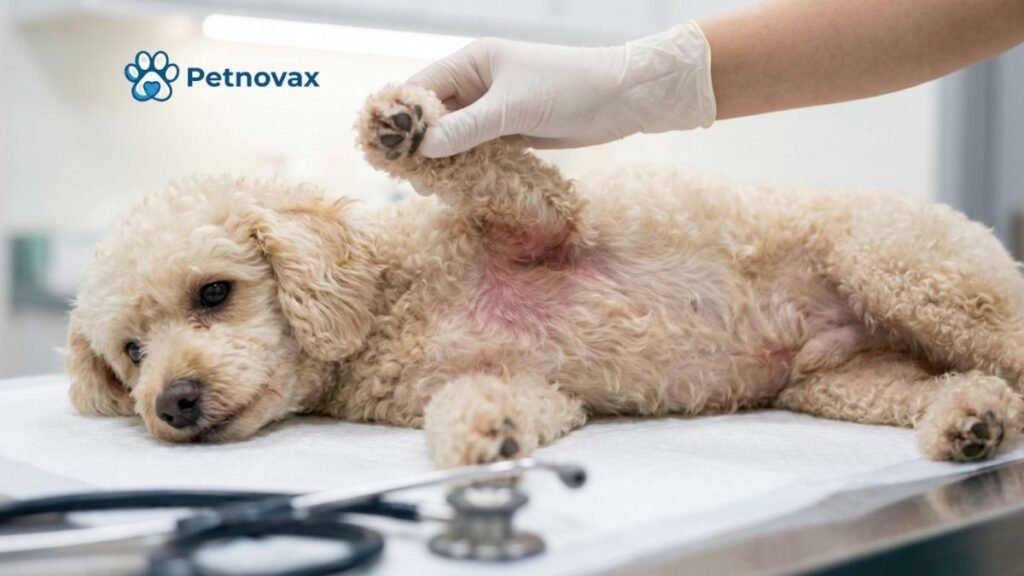
Your veterinarian will provide individualized care for your pet’s situation through comprehensive examination and diagnostic testing. They’ll perform a full body exam for parasites, blood panels, fecal tests, and urinalysis to rule out underlying diseases like low thyroid levels. For allergy-related paw licking, your vet may recommend elimination diets or allergy testing, including intradermal or blood allergy testing, to identify specific triggers.
Treatment approaches for different underlying causes
Treatment plans vary depending on the diagnosed cause. For atopic dermatitis, your vet may prescribe anti-inflammatory medications like Apoquel or Atopica, topical therapy with medicated shampoos, and antibacterial medications for secondary infections. Behavioral paw licking may require physical restraints like cones, bitter topicals, and referrals to animal behaviorists for advanced behavior modification techniques.
Preventing the licking behavior from becoming chronic
Early intervention prevents excessive paw licking from developing into chronic conditions like lick granuloma or acral lick dermatitis. Work closely with your veterinarian to determine the most effective treatment plan, as some dogs respond better to certain medications than others. Regular monitoring and consistent treatment application help manage the condition before it becomes an obsessive, self soothing behavior that’s harder to break.
Frequently Asked Questions
Why is my dog licking his paws so much?
Excessive paw licking is usually a sign of allergies environmental or food, yeast infections, or physical pain like a thorn or arthritis. Sometimes, it can also be a behavioral issue like boredom or anxiety. It is rarely just a grooming habit if it is constant.
What is the best home remedy for dogs' itchy paws?
The most popular and effective home remedy is a 50/50 apple cider vinegar and water soak. This mixture helps kill yeast and bacteria. You can also use a cool chamomile tea soak or a colloidal oatmeal bath to soothe inflammation and redness immediately.
Can I put white vinegar on my dog's paws to stop licking?
Yes, but you must dilute it first. Mix one part white vinegar with two parts water. Vinegar helps neutralize yeast and bacteria. However, never apply vinegar to open wounds or raw skin, as it will sting and cause your dog pain.
What are the symptoms of a yeast infection in dog paws?
If your dog has a yeast infection, you will notice a rusty red discoloration on the fur between the toes. The skin may look greasy or crusty, and most noticeably, the paws will have a distinct corn chip or musty odor.
What can I give my dog for paw licking?
For mild allergies, vets sometimes recommend Benadryl diphenhydramine, but you must get the correct dosage from your vet first. You can also add omega-3 fatty acid supplements (like fish oil) to their food to improve skin health and reduce itching over time.
When should I see a vet for paw licking?
You should see a vet if the licking is accompanied by limping, bleeding, swelling, or a foul odor. Also, if the behavior starts suddenly and interrupts their daily activities like eating or playing, it could indicate a foreign object stuck in the paw or severe pain.
How do I know if licking is serious?
Licking is serious if the paw becomes red, swollen, or loses hair alopecia. If your dog growls when you touch the paw, or if they lick intensely at one specific spot, it often indicates a physical injury, a thorn, or a deep infection that needs medical attention.
What are the risks of ignoring paw licking?
Ignoring chronic licking can lead to acral lick granulomas, thick, raised sores that are hard to heal. The constant moisture also creates a perfect breeding ground for secondary bacterial and yeast infections, making the itching and pain much worse.
What is your dog trying to warn about when they lick their paws?
Dogs often lick paws to communicate discomfort. They might be trying to tell you they have arthritis pain, especially in older dogs, a tummy ache, or they are feeling anxious and stressed about separation anxiety. It is their way of self soothing.
How to stop dog licking paws immediately?
To temporarily stop the behavior immediately, you can use an Elizabethan collar cone to physically prevent your pet from reaching its paw. Distracting them with a puzzle toy or a long walk can also help if the cause is boredom. However, to achieve a permanent cure, you must address the underlying cause.
Conclusion
Understanding why your dog is licking their paws excessively is critical to preserving their health and comfort. Whether it’s food allergies, injuries, parasites, skin irritation, behavioral issues, or secondary infections, each cause requires specific attention and treatment. Remember that while occasional paw licking is normal grooming behavior, persistent and intense licking can lead to serious complications like bacterial infections and pododermatitis if left untreated.
Don’t wait too long if you notice your dog obsessively licking their paws, especially if they won’t stop when distracted or show signs like bleeding, swelling, limping, or discharge. Working with your veterinarian to identify the root cause early can lead to simpler, more effective solutions. In the meantime, you can try proven home remedies to provide relief, but professional veterinary care remains essential for proper diagnosis and treatment. Your furry friend’s paws carry them through life keeping them healthy should be a top priority.