Skip to content

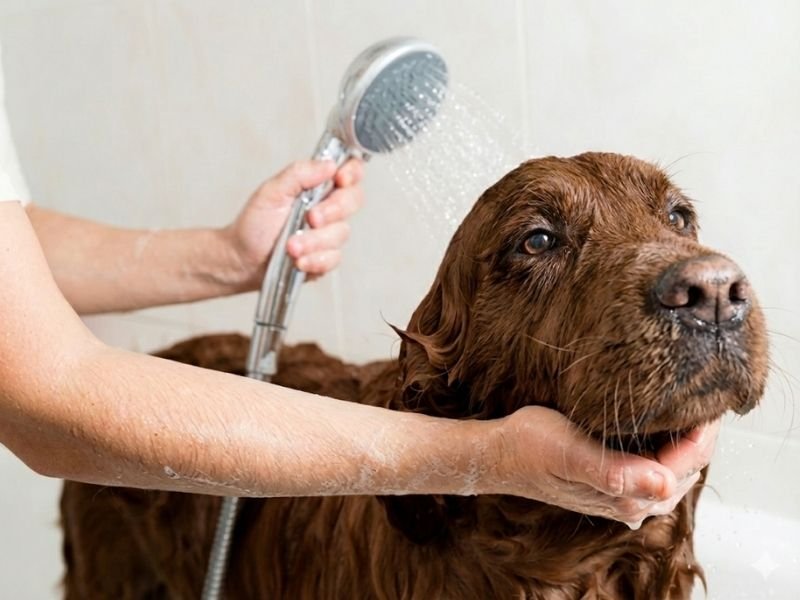
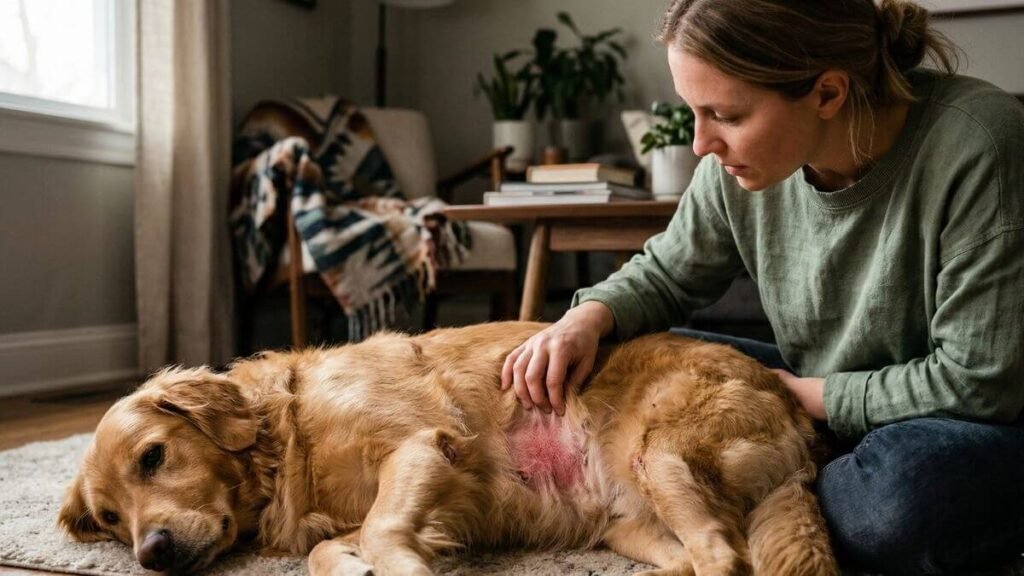
If your dog smells sour, keeps itching nonstop, or develops red, greasy patches, it may be dealing with yeast infections, Malassezia dermatitis, or mixed bacterial infections. These conditions cause severe discomfort and ongoing skin inflammation. At this point, regular soap will not help; your dog needs a powerful antifungal dog shampoo designed to fight fungal skin infections from the root. In this complete guide, you’ll learn how an antifungal dog shampoo works, which formulas reduce symptoms fastest, and what key ingredients matter most when treating fungal problems safely.
What Is Antifungal Dog Shampoo & How Does It Work?
Before you buy, you must understand what makes these shampoos different. Basically, an antifungal dog shampoo is a medicated treatment designed to kill specific organisms. Unlike regular soap that just cleans dirt, these formulas contain active ingredients that disrupt the cell wall of the fungus, causing it to die.
The Science of Killing Fungus
To treat a fungal skin infection, the shampoo must contain specific fighters. Here is what you should look for:
- Chlorhexidine Gluconate 4%: This is the heavy hitter. It kills both bacteria and fungus on contact.
- Ketoconazole & Miconazole: These stop the fungus from reproducing.
- Selenium Sulfide: Often used for greasy coats, it degreases the skin and starves the yeast.
Bacterial vs. Fungal Infection
Often, dogs suffer from a mixed infection. This means they have both yeast and bacteria growing at the same time. Therefore, the best medicated dog shampoo usually combines an antibacterial agent with an antifungal one to treat both problems simultaneously.
Key Ingredients in an Antifungal Medicated Shampoo
To treat superficial skin infections effectively, the shampoo must contain specific fighters. Here is what Emily, our research consultant, suggests looking for on the label.
1. Chlorhexidine Gluconate (The Germ Killer)
This ingredient acts as the gold standard in veterinary dermatology. Research shows that chlorhexidine gluconate kills both bacteria and fungus on contact. For the best results, look for a concentration between 2% and 4%. It provides broad-spectrum antimicrobial activity that sanitizes the skin deeply.
2. Miconazole Nitrate & Ketoconazole (The Fungus Fighters)
These ingredients belong to the “azole” family. They specifically stop the fungus from reproducing. While chlorhexidine handles bacteria, miconazole nitrate targets yeast and ringworm spores directly. Therefore, the best antibacterial and antifungal dog shampoo often combines these two ingredients for maximum power.
3. Salicylic Acid & Sulfur (The Degreasers)
Often, fungus hides under greasy, waxy skin. Salicylic acid helps exfoliate these dead skin cells and unclog pores. Simultaneously, micronized sulfur works to reduce skin inflammation and kill surface parasites. Together, they create an environment where fungus cannot survive.
4. Benzethonium Chloride (The Antibacterial Booster)
Some formulas use benzethonium chloride to target bacteria specifically. This preserves the skin’s hygiene while the antifungal agents work on the yeast.
5. Soothing Additives (To Prevent Dryness)
Medicated shampoos can dry out the skin. Therefore, look for natural ingredients like colloidal oatmeal or aloe vera. Some premium brands even include Dead Sea minerals to nourish the skin barrier while treating the infection.
Symptoms That Show Your Dog Needs Medicated Antifungal Shampoo
You should consider a medicated dog shampoo if your dog has:
- Persistent itching
- Greasy, oily coat
- Redness or darkened skin
- Sour or musty odor
- Peeling, scaly patches
- Hot spots or paw-licking
- Spreading superficial skin infections
- Mixed bacterial infections
- Chronic yeast infections
When multiple symptoms occur together, a fungal problem is likely.
When Do You Need a Medicated Dog Shampoo?
Before you buy, you must identify the problem. An antifungal dog shampoo serves as a medical treatment, not a beauty product. Unlike standard cleansers, these formulas target specific living organisms on your dog’s skin.
Identifying the Infection
Often, dogs suffer from mixed infections involving both fungus and bacteria. Therefore, recognizing the signs helps you choose the right product.
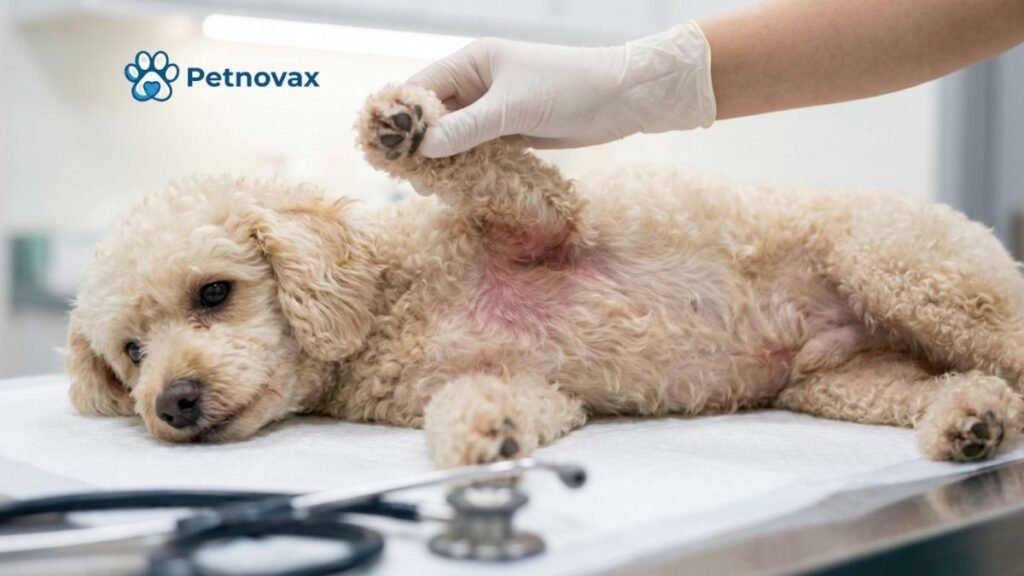
- Yeast Infections: Look for a musty “corn chip” smell and greasy skin.
- Ringworm: Typically, this appears as circular, red, hairless patches.
- Bacterial Infections: These often present as pus-filled bumps or oozing sores.
If you see these signs, a standard oatmeal wash won’t help. You require a medicated antifungal shampoo that disrupts the fungus’s cell walls.
Why Regular Shampoo Fails
Using a non-medicated product on a fungal infection often feeds the problem. For example, trapping moisture without killing the spores allows Malassezia dermatitis (yeast) to spread rapidly. Consequently, you must switch to a dedicated antifungal dog shampoo to break the cycle of infection.
Buying Guide – Choosing the Best Medicated Dog Shampoo (Ingredients Explained)
Not all shampoos work for every dog. Here’s how to choose the right one:
- Match Ingredients to the Condition
- Chlorhexidine Gluconate → Best for mixed bacterial and fungal issues.
- Ketoconazole / Miconazole Nitrate → Ideal for yeast-driven dermatitis.
- Salicylic Acid: Helps remove flaky buildup.
- Colloidal Oatmeal → Perfect for sensitive or allergy-prone dogs.
- Natural ingredients are good for mild irritation or maintenance washes.
- Avoid Strong Fragrances Fragrance can irritate inflamed skin and worsen itching.
- Check If It’s an Antifungal Medicated Shampoo A true antifungal medicated shampoo should clearly list active antifungal agents and offer real topical treatment benefits.
- Choose According to Skin Sensitivity Dogs with dryness or allergies benefit from formulas containing moisturizers like colloidal oatmeal or aloe vera.
- Pick by Severity
- Mild problems → Oatmeal / natural formulas
- Moderate yeast → Ketoconazole
- Heavy ringworm → Chlorhexidine Gluconate blends
Selecting the right ingredients significantly improves treatment outcomes.
Quick Comparison: Best Antibacterial and Antifungal Dog Shampoo Picks (2026)
Shampoo | Best For | Actives | Why It Works |
Veterinary Formula Antiseptic & Antifungal Shampoo | Overall | Benzethonium Chloride, Ketoconazole | Dual-action, fast relief |
Curaseb Antifungal & Antibacterial | Ringworm | Chlorhexidine 4%, Ketoconazole 1% | Maximum strength formula |
Douxo S3 PYO | Chronic cases | Chlorhexidine 3%, Ophytrium | Skin-barrier repair + antifungal |
Zymox Enzymatic Shampoo | Natural option | LP3 Enzymes, Vitamin D3 | Gentle enzymatic cleansing |
KetoHex Antiseptic Shampoo | Sensitive skin | Chlorhexidine 2%, Ketoconazole 1% | Balanced formula with oatmeal |
5 Best Antifungal Dog Shampoos (Tested & Reviewed Picks)
Based on our ingredient analysis and veterinary guidelines, here are the 5 most effective shampoos to treat ringworm, yeast, and bacteria.
1. Veterinary Formula Clinical Care Antiseptic & Antifungal Best Overall
Why it’s best: If you want the strongest results without a prescription, Veterinary Formula Clinical Care Antiseptic and Antifungal Medicated Shampoo is the top choice. This formula combines benzethonium chloride (a powerful antibacterial agent) with ketoconazole to deliver fast fungal relief. It reduces odor, controls yeast overgrowth, and provides strong antibacterial properties to handle mixed infections. Many owners prefer this veterinary formula antiseptic & antifungal shampoo because it works quickly and is budget-friendly.
Key Ingredients:
- Benzethonium Chloride
- Ketoconazole
- Aloe Vera
Who it’s ideal for:
- Yeast dermatitis
- Ringworm
- Superficial skin infections
- Dogs needing an antiseptic and antifungal medicated shampoo
Pros:
- Fast dual-action results
- pH-balanced and affordable
- Light medicated scent
Cons:
- Needs 2–3 uses per week initially
2. Curaseb Antifungal & Antibacterial Shampoo Best for Ringworm & Severe Yeast
Why it’s best: Curaseb is a maximum-strength antibacterial and antifungal dog shampoo that uses chlorhexidine gluconate (4%) paired with ketoconazole (1%). This is the same concentration many vets use for tough fungal problems. It targets ringworm spores, stubborn yeast, odor, and greasy buildup. The shampoo creates a thick lather that stays on the coat during the required contact period, making it one of the strongest medicated antifungal shampoo options available.
Key Ingredients:
- Chlorhexidine Gluconate (4%)
- Ketoconazole (1%)
- Aloe Vera
Who it’s ideal for:
- Ringworm
- Severe yeast
- Heavy odor
- Greasy coats
Pros:
- Maximum-strength
- Made in the USA
- Fast odor control
Cons:
- Can dry sensitive skin if overused
3. Douxo S3 PYO Shampoo: Best Professional Strength (Chronic Cases)
Why it’s best: If your dog suffers from long-term or recurring issues, Douxo S3 PYO provides one of the most reliable professional-grade topical treatment options available. Its formula uses chlorhexidine along with Ophytrium, a rare ingredient that strengthens the skin barrier while soothing irritation. It controls fungal skin infections and bacteria at the same time, giving it strong antimicrobial activity. Owners love it because it cleans without stripping moisture.
Key Ingredients:
- Chlorhexidine (3%)
- Ophytrium
- Pro-Vitamin B5
Who it’s ideal for:
- Chronic fungal issues
- Atopic dermatitis
- Barrier-damaged skin
Pros:
- Dermatologist-trusted
- Gentle and non-drying
- Repairs skin over time
Cons:
- More expensive than basic formulas
4. Zymox Enzymatic Shampoo: Best Natural Alternative
Why it’s best: For dogs who cannot tolerate medicated chemicals, Zymox offers a soothing alternative using natural ingredients. Its LP3 Enzyme System cleanses the skin gently while reducing mild fungal buildup. Although not as powerful as medicated formulas, it’s safe for puppies and seniors. Some variations contain Dead Sea minerals or micronized sulfur to support natural exfoliation and odor control.
Key Ingredients:
- LP3 Enzymes
- Vitamin D3
- Oat Extract
Who it’s ideal for:
- Sensitive skin
- Mild yeast
- Dogs with broken skin
Pros:
- No harsh detergents
- Very gentle
- Safe if licked
Cons:
- Results take longer than medicated shampoos
5. KetoHex Antiseptic Shampoo: Best for Sensitive Skin & Allergies
Why it’s best: KetoHex combines chlorhexidine with ketoconazole while adding colloidal oatmeal for soothing relief, making it one of the best medicated dog shampoo for skin allergies triggered by yeast. The formula balances cleansing and hydration, which helps prevent flakiness and dryness. Some versions include miconazole nitrate, offering enhanced antifungal coverage.
Key Ingredients:
- Chlorhexidine (2%)
- Ketoconazole (1%)
- Colloidal Oatmeal
Who it’s ideal for:
- Allergy-driven yeast
- Redness and dryness
- Sensitive skin
Pros:
- Balanced and gentle
- Fresh smell
- Leaves coat soft
Cons:
- Contains fragrance
How to Give a Medicated Bath (The 10-Minute Rule)
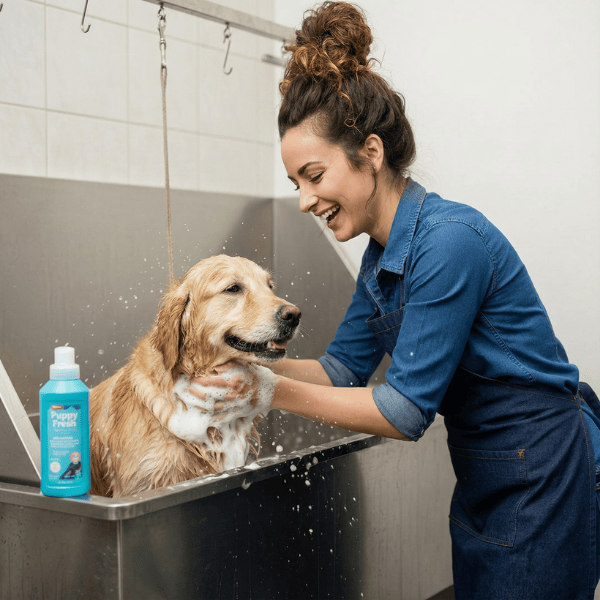
Buying the best antifungal dog shampoo acts as only half the battle. How you apply it determines whether the treatment succeeds or fails. Unfortunately, many owners rinse the product off too quickly, which stops the medication from working. To ensure success, follow this veterinary-approved medicated bath protocol for maximum results.
1. Use Lukewarm Water
Always use lukewarm water to wet the coat. Hot water can inflame infected skin and increase itching. Conversely, cold water shocks the skin, preventing the pores from opening slightly to accept the medication. Therefore, test the temperature on your wrist first to ensure it feels neutral.
2. The 0-Minute Rule (Crucial)
This is the most critical step. Medicated ingredients need time to penetrate the hair follicle and kill the fungus.
- Apply the shampoo and work up a thick lather into the affected areas (paws, armpits, groin).
- Wait for 10 whole minutes. (Natalie suggests using a lick mat to distract them!).
- If you rinse too early, you wash the medicine away before it kills the ringworm or yeast.
3. Rinse and Dry Thoroughly
Fungus loves moisture. Therefore, rinse thoroughly until the water runs completely clear. Soap residue causes further itching. Afterward, towel-dry your dog completely. If your dog tolerates it, use a blow dryer on the “Cool” setting to ensure no dampness remains in the deep skin folds or between the toes.
Long-Term Care: Preventing Recurrence
Successfully treating current yeast infections requires long-term prevention. Using a dog shampoo for yeast infection treats the acute symptoms, but these habits prevent recurrence.
1. Manage Diet and Allergies
Yeast often signals an underlying issue, such as food allergies. Consult your vet about reducing carbohydrates in your dog’s diet, as yeast feeds on sugar. Furthermore, consistent antimicrobial activity from maintenance shampoo helps manage the issue.
2. Keep Skin Folds Dry
If you have a wrinkly breed (like a Pug or a Bulldog), moisture can get trapped easily. Wipe their folds daily with medicated wipes. This simple step prevents superficial skin infections.
3. Weekly Maintenance
Once the severe symptoms clear, switch to a lower-concentration dog shampoo for maintenance washes (like a 2% chlorhexidine) once a week to keep the fungal population under control.
Frequently Asked Questions (FAQ)
Can I use human shampoo on dogs with yeast infection?
No, never. Human shampoo has the wrong pH and disrupts the dog’s skin barrier. Using it makes yeast infections worse by stripping protective oils. Always use a specific dog shampoo for yeast infection.
Will medicated shampoo wash off flea protection?
Generally, no. Most medicated shampoos do not affect topical flea treatments if you follow the instructions. However, veterinarians usually recommend waiting 48 hours after applying the flea treatment before giving the bath.
Is oatmeal shampoo good for dogs with yeast infection?
Yes and no. Oatmeal soothes itching, but some experts believe carbohydrates in oatmeal might feed yeast in severe cases. Ideally, use a medicated antifungal dog shampoo first, then oatmeal for maintenance once the infection clears.
How long does it take for yeast infection shampoo to work?
With proper 10-minute contact time, you should see improvement in smell and redness within 1–2 weeks. Severe cases often take longer to resolve completely.
Can an antifungal dog shampoo cure fungal skin infections?
No. An antifungal dog shampoo reduces symptoms but does not cure deep fungal skin infections on its own.
What is the best antifungal dog shampoo for a strong odor?
The best antifungal dog shampoo for odor is one containing chlorhexidine and ketoconazole.
Should I combine medicated dog shampoo with oral medicine?
Severe cases may require oral treatment, but medicated dog shampoo can help control surface infections.
Are fungal infections always mixed with bacterial infections?
Often, yes. Many dogs develop fungal infections alongside bacterial infections.
How long before I see improvement?
Most dogs improve within 5–14 days with consistent use.
Conclusion
Dealing with a yeasty, itchy dog is frustrating, but the right dog shampoo for yeast infection can bring relief fast. By choosing a formula containing chlorhexidine or ketoconazole and strictly adhering to the 10-minute contact rule, you can effectively eliminate ringworm, yeast, and bacteria.
Remember, yeast infections often signal an underlying issue, such as allergies. Therefore, while these shampoos treat the symptoms effectively, working with your vet to find the root cause ensures your pup stays itch-free forever.
Want to make sure you are bathing your dog correctly? Check our complete bathing guide here: How to Bathe a Dog: Gentle Step-by-Step Guide.